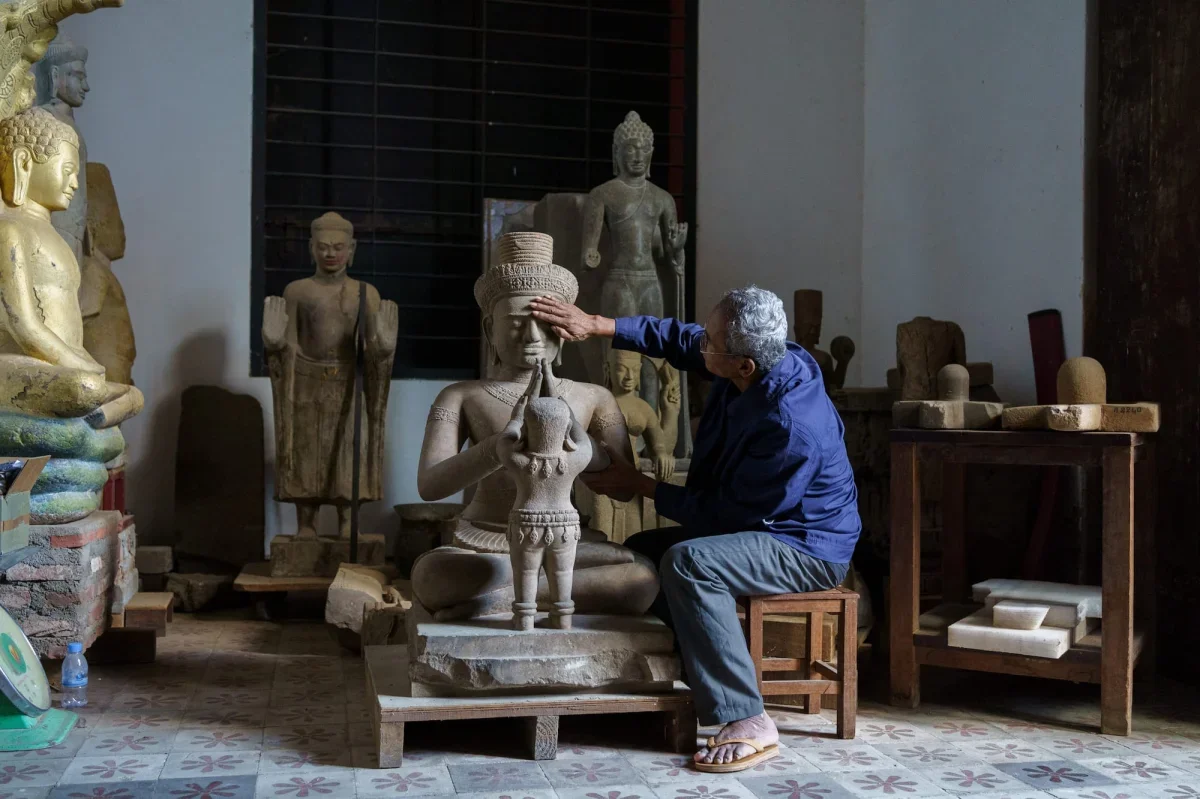
In his upcoming book, The Man Who Stole the Gods (2026), Matthew Campbell delves into the controversial life of British dealer Douglas Latchford, who was implicated in the large-scale trafficking of looted Cambodian antiquities before his passing in 2020. Latchford viewed Khmer sculptures not as cultural treasures, but as luxury items to be exploited, turning his passion into a thriving business. His success was bolstered by criminal networks that supplied these artifacts and the complicity of museums, collectors, and scholars willing to overlook dubious provenance in exchange for the allure of rarity and beauty.
Campbell portrays Latchford as a charismatic figure shaped by a global demand for exquisite art, deeply embedded within elite institutional frameworks that facilitated the entry of looted cultural artifacts into the legitimate art market. His privileged background during the 1960s through the 1980s allowed him to forge connections with political and social elites in "exotic" postcolonial settings, enhancing his status within high society and further legitimizing the objects he traded.
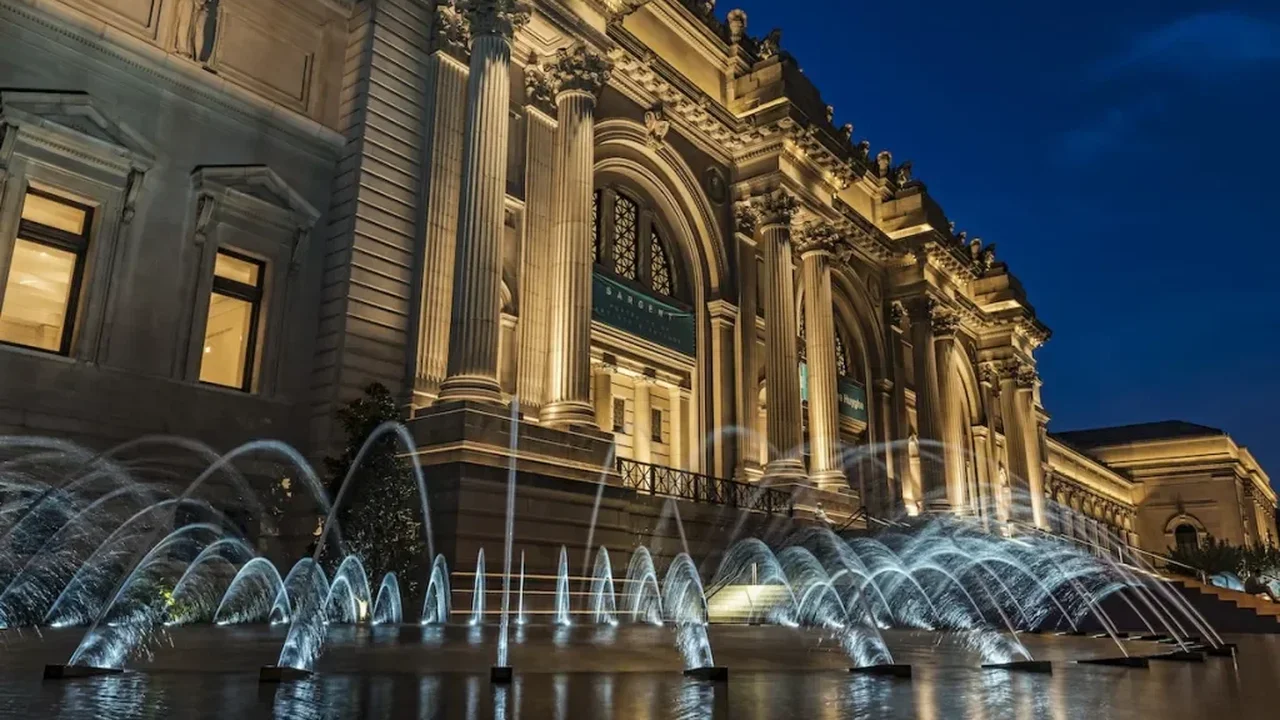
Over the years, Latchford cultivated close ties with collectors, dealers, and museum curators, supplying a steady stream of stolen artifacts, including those acquired by the prestigious Metropolitan Museum of Art, which served as a powerful endorsement of his operations.
He sought to establish himself as a leading authority in his field through collaborations with American scholar Emma Bunker, using publications to create fabricated provenance for the artifacts. However, his downfall came when experts linked the stolen statues to their original locations in Cambodia, revealing the extent of his deceit.
Campbell's narrative combines elements of an investigative thriller with a poignant examination of the irreversible damage caused by looting. He refrains from romanticizing the artifacts or the institutions that claim to protect them, instead highlighting the violence and greed that underpin their trafficking. His vivid imagery serves to illustrate the profound loss experienced by communities from which these sacred objects were taken, emphasizing that the art market's bureaucratic language often obscures the violence inherent in this trade.
Ultimately, Campbell argues that the art market's processes serve as a laundering mechanism for looted cultural heritage, masking the inequalities that allow such practices to flourish. The provenance records and expert statements that accompany these artifacts can create a veneer of legitimacy, often without scrutiny.
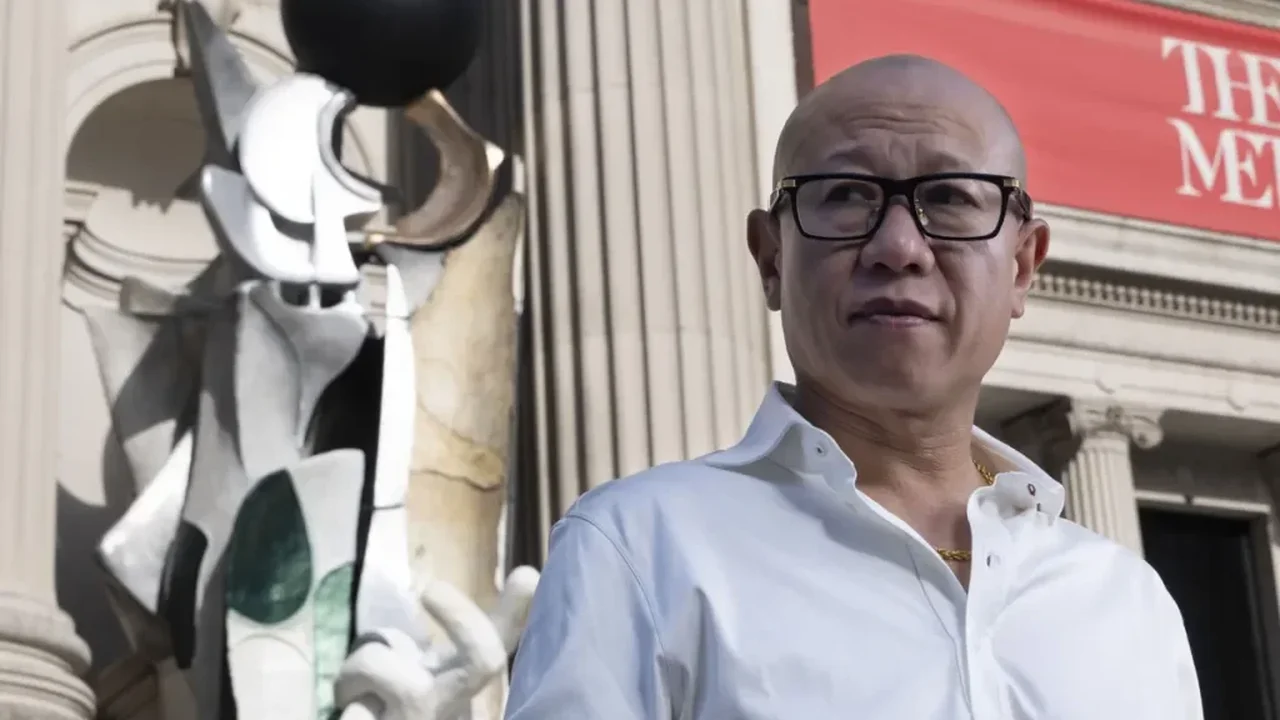
As the repatriation of Latchford-linked artifacts continues, driven by the efforts of legal advocates like Bradley Gordon, Campbell frames this as a partial remedy to decades of cultural theft. While these returns challenge the notion that Western museums are the rightful custodians of such objects, they cannot erase the historical injustices that have occurred.
Through his work, Campbell encourages a reevaluation of the roles that museums and galleries play in cultural preservation, urging readers to consider who truly benefits from these institutions. The Man Who Stole the Gods aims to inspire a more critical dialogue about the intersections of power, cultural value, and the ongoing legacy of commodification in the art world.