PROTEIN HAS BECOME A BUZZWORD in today's health and wellness conversations. Many Americans are actively seeking to increase their protein intake, prompting numerous fitness and wellness brands to label their products as "high protein." With the rise of social media platforms like TikTok showcasing countless "high protein" posts, a critical question arises: What does this term truly signify?
According to Dr. Michael Ormsbee, director of the Institute of Sports Sciences and Medicine at Florida State University, there is no universally accepted definition of "high protein." However, the growing interest in protein consumption is backed by scientific evidence highlighting its health benefits.
Research over the years has demonstrated a correlation between increased protein intake and various health advantages, such as improved weight management, muscle support, enhanced satiety, and better bone health. Dr. John Carbone, a professor of dietetics at Eastern Michigan University, notes that protein can also aid in body composition, appetite control, and metabolic function.
Defining High Protein
The Recommended Daily Allowance (RDA) for protein is 0.8 grams per kilogram of body weight, which translates to approximately 0.36 grams per pound. For instance, a 200-pound individual would require about 72.7 grams of protein daily. The USDA offers an online calculator to assist in determining personal protein needs.
Generally, anything exceeding the RDA can be categorized as high protein. Dr. Ormsbee suggests that a range of 0.73 to 1 gram of protein per pound of body weight is a reasonable benchmark for what constitutes "high protein."
High-Protein Meals and Snacks
A high-protein meal for most men typically contains between 35 to 45 grams of protein, with Dr. Ormsbee indicating that it could reach up to 50 grams based on individual factors such as body size and fitness goals.
Examples of high-protein meals include:
- A 6-ounce grilled chicken breast with quinoa and vegetables (approximately 40 grams)
- Three scrambled eggs with two turkey sausage links and whole grain toast (35-40 grams)
- One cup of cooked lentils with ½ cup of edamame and brown rice (around 35 grams)
- A 6-ounce salmon filet with sweet potato and sautéed greens (about 45 grams)
For snacks, a high-protein option should contain 15 to 20 grams. Dr. Carbone recommends the "10 percent rule," suggesting that the protein content in grams should be roughly 10 percent of the total calorie count. For example, a 5-ounce container of Greek yogurt typically has 110 calories and 11 grams of protein.
Examples of high-protein snacks include:
- Two hard-boiled eggs with 1 ounce of almonds (approximately 18 grams)
- A small protein shake made with 1 scoop of protein powder and unsweetened almond milk (20-25 grams)
- Tuna pouch with whole grain crackers (18-20 grams)
- Beef or turkey jerky paired with a piece of fruit (15-20 grams)
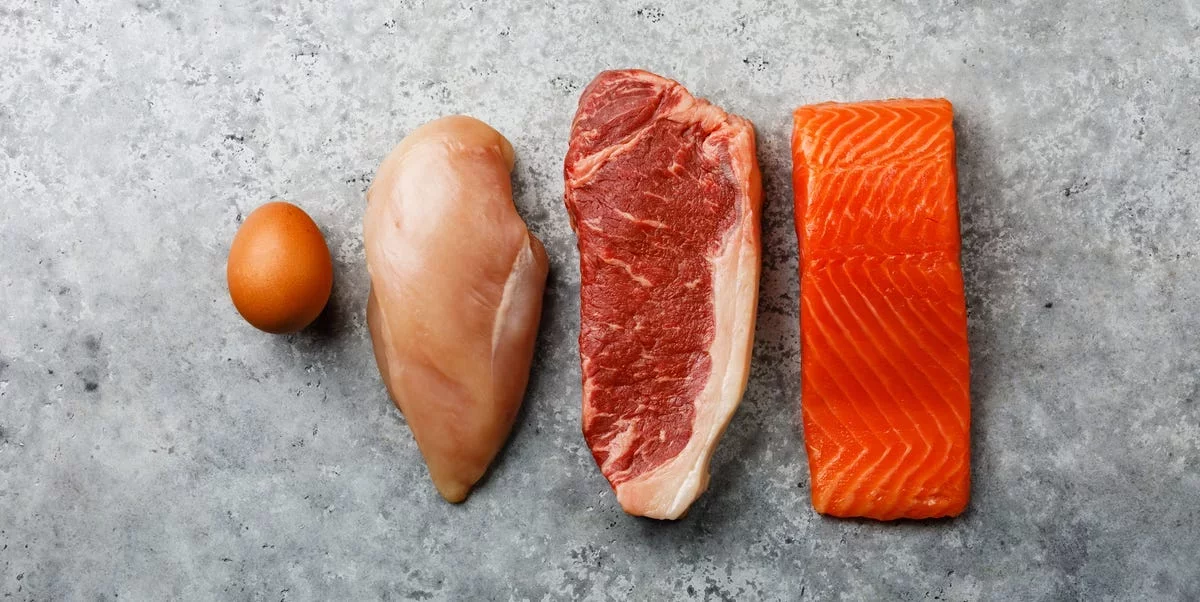
THE FOCUS on high-protein meals and snacks is to blend convenience with satisfying nutrients like protein, fiber, and healthy fats. While protein-fortified foods such as bars and shakes offer convenience, whole foods like lean meats, dairy, eggs, fish, and legumes provide a broader range of essential nutrients, including vitamins, minerals, and fiber.
This growing emphasis on protein consumption may reshape dietary habits and food product offerings in the future, influencing how people approach nutrition and wellness.