In the journey of many artists, a pivotal moment often arises: the realization that the art world prioritizes the protection of objects over the individuals who create them. This awareness typically emerges subtly, often through a document that seems routine, such as a consignment agreement.
For instance, an artist preparing for their first exhibition with a new gallery might receive a consignment agreement that allows the gallery to sell their artwork while retaining a portion of the proceeds. Although ownership remains with the artist until sale, the terms dictate how the artwork is managed.
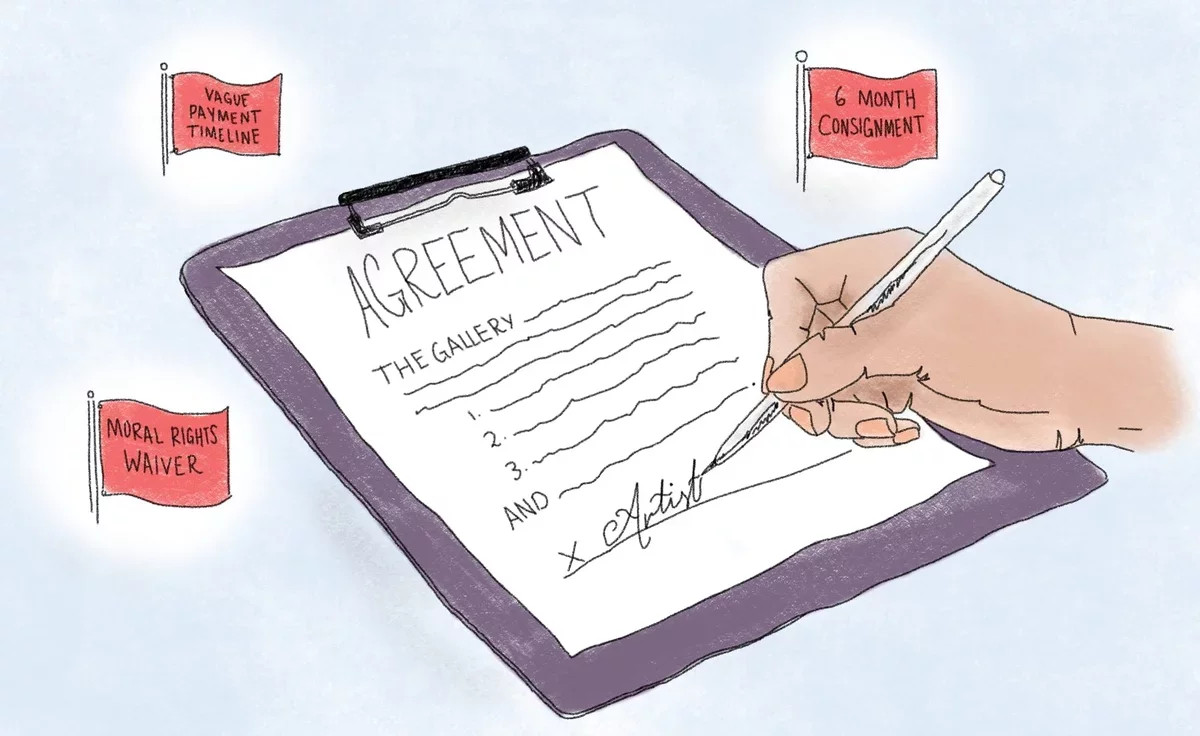
Equipped with knowledge from an Art Law program, the artist confidently reviews the contract. One clause stands out: the consignment period extends six months beyond the exhibition's conclusion, meaning the artwork remains under the gallery's control even after it returns to the artist's studio.
In a more established gallery relationship, such a timeline might foster continued collaboration. However, in this case, the artist has no ongoing commitment from the gallery, raising concerns about the implications of the extended consignment.
When the artist requests a reduction of the consignment period to three months, it is a practical suggestion rather than a confrontational demand. Yet, when the revised contract arrives unchanged, it becomes clear that the request was either dismissed or not taken seriously.
This situation exemplifies how initial agreements can establish precedents that shape future interactions. The artist's experience is further complicated when invited to a residency that requires a waiver of moral rights, which protect an artist's integrity and control over their work. Such waivers can allow institutions to modify or present the work in ways the artist may not agree with.
While there are contexts where waivers are reasonable, this residency does not fit that mold. The artist seeks clarity, and after consulting with an art lawyer, they discover that the explanation provided by the residency's representative was misleading. The waiver expands institutional control while diminishing the artist's ability to intervene.
Ultimately, the artist declines the residency, recognizing that walking away is a significant decision that allows them to maintain boundaries in contractual relationships. Many artists find themselves signing agreements not out of agreement but due to perceived risks of challenging the status quo, often leading to an imbalance of power.
The art world thrives on informal arrangements, yet these often lack the clarity and protection that artists deserve. In contrast to other industries, where ambiguity would be unacceptable, the art market frames such uncertainty as trust.
Contracts are not neutral; they dictate the flow of value and control over time. The structural imbalance favors galleries and institutions, while artists bear the uncertainty. Although the landscape is beginning to shift, with more artists demanding transparency and fairness, awareness alone is not enough to redistribute power.
As artists increasingly scrutinize contracts and share their experiences, they challenge the notion of what is standard. The key question remains: what do these agreements truly mean for the artist's rights and control? The future may hold a more equitable framework for artists, but it will require collective vigilance and advocacy for change.