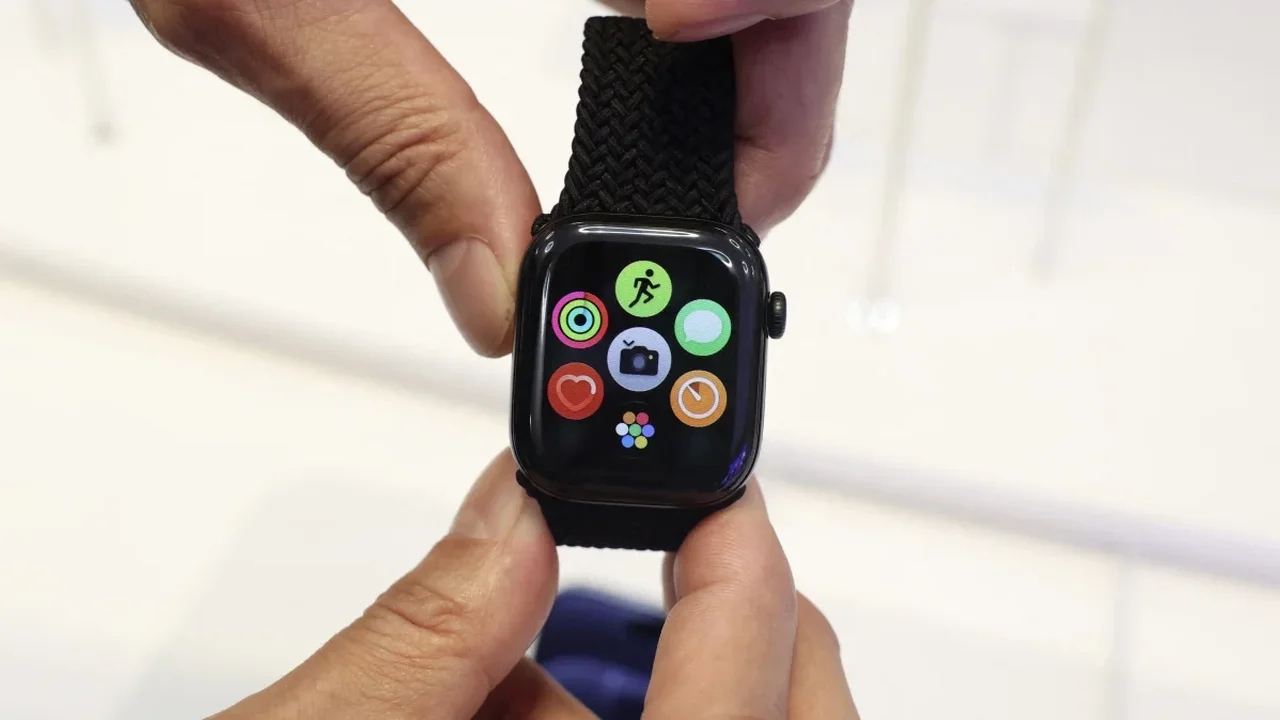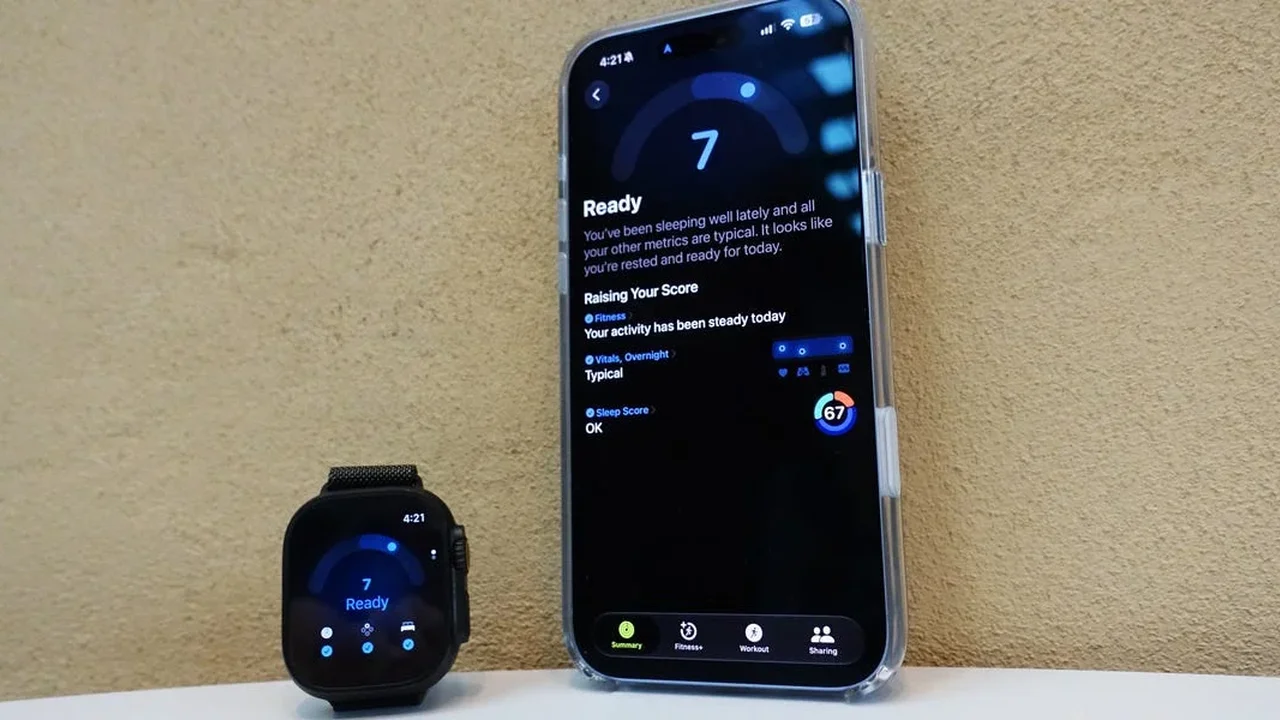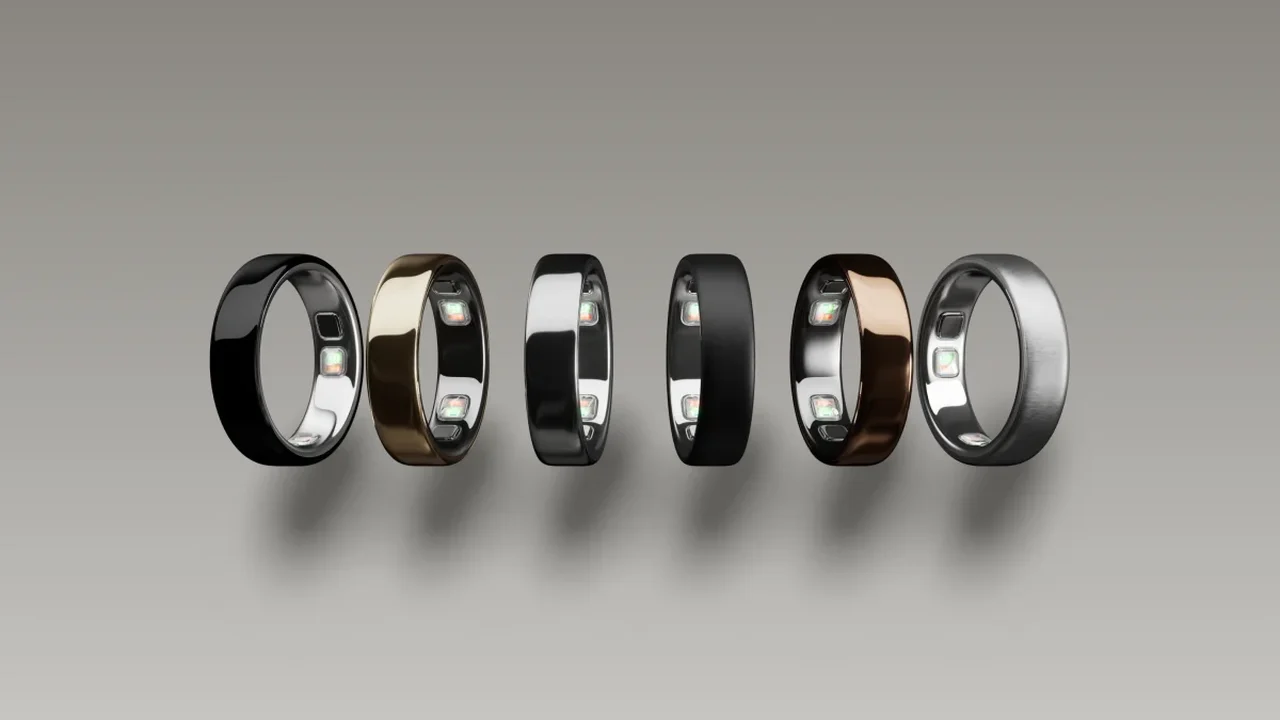
As sleep tracking technology advances, many individuals are turning to devices like the Apple Watch and Oura Ring in hopes of improving their rest. However, the quest for a perfect sleep score can sometimes lead to anxiety rather than better sleep. Here's an exploration of how these sleep scores function and how to effectively utilize your sleep tracker.
The Value and Precision of Sleep Tracking
Sleep is essential for overall health, influencing mood, heart function, and cognitive abilities. Dr. Rebecca Robbins, an expert in sleep medicine at Harvard Medical School, highlights that chronic sleep deprivation can lead to serious health issues. Historically, people have struggled to accurately assess their sleep patterns, often relying on unreliable self-reports. Recent advancements in consumer sleep tracking technology have significantly improved accuracy, offering valuable insights from the comfort of home.
Modern wearables are equipped with sophisticated sensors that monitor various metrics, including heart rate and movement. They analyze sleep duration and categorize it into light, deep, and REM sleep, ultimately providing a composite score. However, it's crucial to remember that these scores are approximations, as different companies employ varying grading systems.
Interpreting Sleep Quality
The concept of "quality sleep" is subjective and encompasses more than just the numbers. While most adults require between seven to nine hours of sleep, how one feels upon waking is equally important. A person may receive a high score but still feel unrested, underscoring the notion that subjective experience should take precedence over algorithmic assessments.
Tracking Sleep Effectively
To gain the most from sleep tracking, focus on identifying patterns rather than obsessing over nightly scores. Sleep is inherently variable, and fluctuations are normal. Regularly reviewing weekly averages can provide a clearer picture of your sleep health. Identifying actionable metrics, such as the impact of alcohol on sleep quality, can also enhance your understanding.
Moreover, if tracking becomes a source of stress, consider stepping back from the device. Taking breaks from monitoring can alleviate anxiety and foster a more relaxed approach to sleep.
Enhancing Sleep Quality
For those overly reliant on sleep scores, adopting good sleep hygiene practices is essential. Here are some effective strategies:
- Avoid screens before bedtime: Blue light from devices can disrupt melatonin production.
- Engage in relaxing activities: Reading or practicing mindfulness can promote a restful state.
- Maintain a consistent sleep schedule: Regular sleep and wake times support a healthy circadian rhythm.
- Be mindful of stimulants: Caffeine and alcohol can significantly affect sleep quality.
As we continue to explore the intersection of technology and well-being, understanding the nuances of sleep tracking can empower individuals to make informed choices about their rest. This advancement in sleep technology holds the potential to enhance our overall health and well-being in the future.