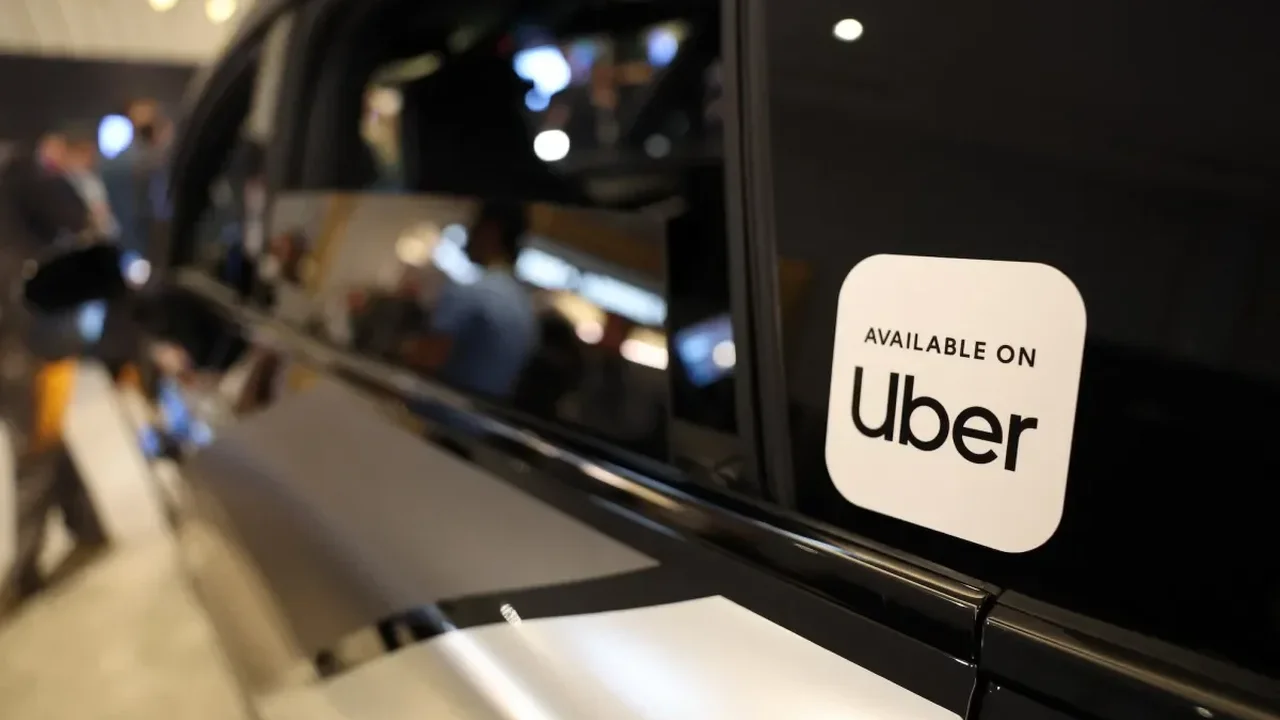
Uber is building one of the broadest autonomous mobility networks in the industry by linking its platform with more than 30 robotics and self-driving companies. The strategy spans ride-hailing, delivery, freight, and fleet operations, with partnerships stretching across North America, Europe, Asia, and the Middle East.
From in-house AVs to a platform model
Uber's first chapter in autonomy began with its own research arm, Uber Advanced Technologies Group, launched in 2014. After years of testing and restructuring, the company shifted course in 2020, selling its self-driving unit and other moonshot businesses while keeping equity in several of them. That reset opened the door to a new model: Uber as a global orchestrator of autonomous services rather than a single technology developer.
A network built on partnerships
Today, Uber's ecosystem includes major names such as Aurora, Waymo, WeRide, Lucid, Nuro, Wayve, and Nvidia. Some deals focus on robotaxis, others on sidewalk delivery robots, drone delivery, or autonomous trucking. In several cases, Uber has also made direct investments, pairing capital with access to its ride-hailing and delivery platforms.
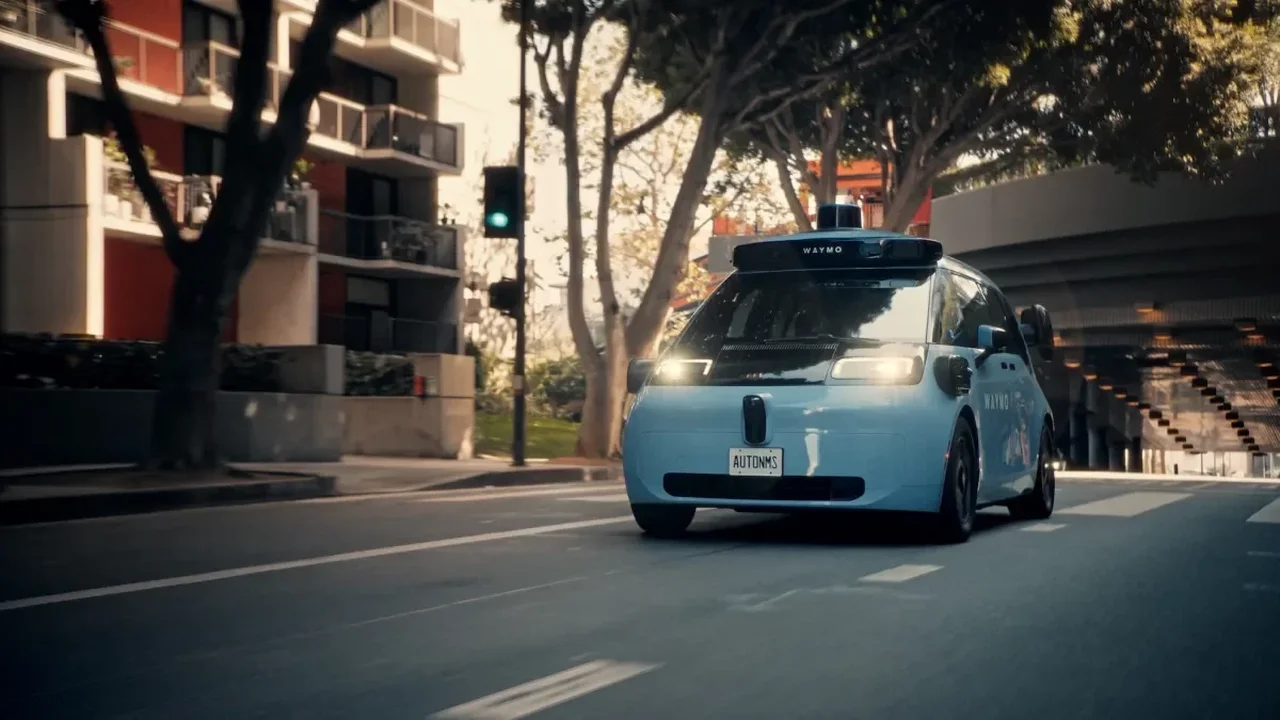
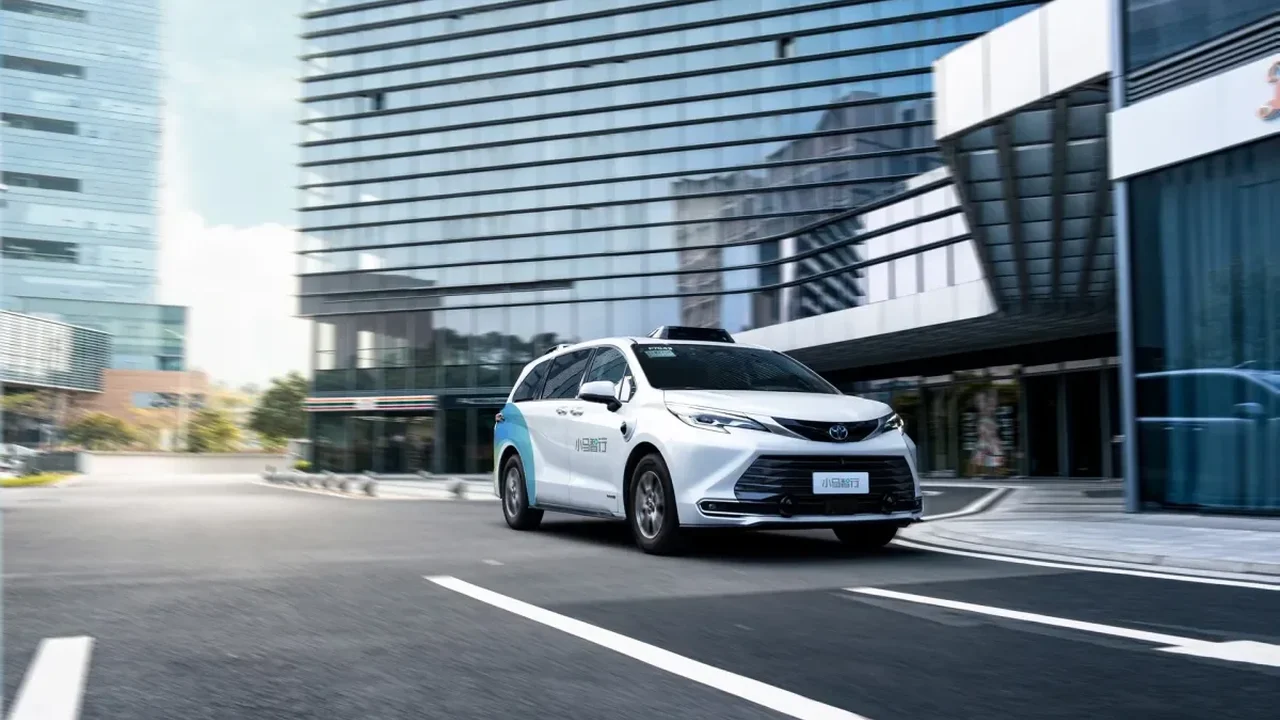
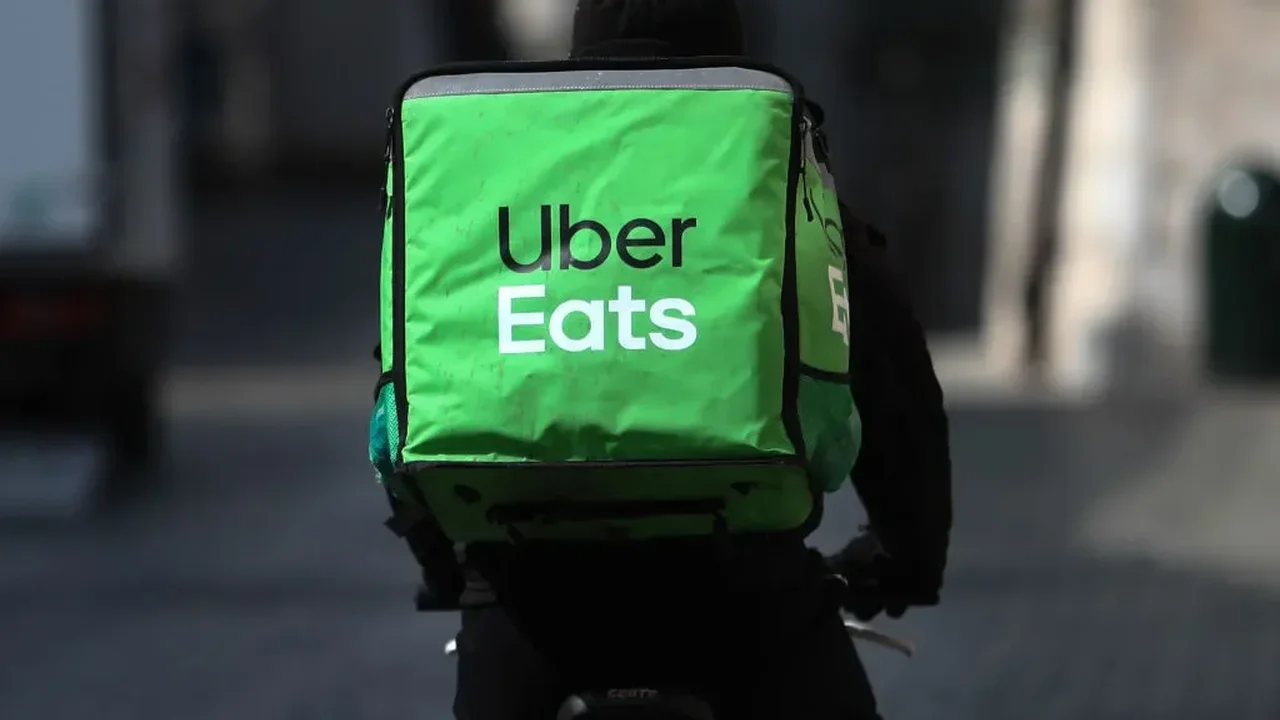
Among the most visible collaborations, Aurora's self-driving trucks are moving freight through Uber Freight, Waymo robotaxis are active in select U.S. cities, and WeRide services are already live in markets such as Abu Dhabi and Dubai. Uber Eats has also expanded autonomous delivery through partners including Cartken, Coco, Serve Robotics, and Starship Technologies.
Premium robotaxi ambitions
Uber is also preparing a higher-end robotaxi layer with vehicle makers and AI developers. Lucid and Nuro are working with Uber on a premium autonomous service, while Rivian, Volkswagen's MOIA, Stellantis, and Mercedes-Benz are part of broader plans to scale future fleets. In parallel, Uber is using Nvidia's AI and simulation tools to support development across its network.
What stands out is not a single vehicle or city, but a modular system that can adapt to different regions, regulations, and use cases. If the rollout continues at this pace, Uber's platform could become a key interface for autonomous transport worldwide, shaping how people and goods move in the next era of mobility.