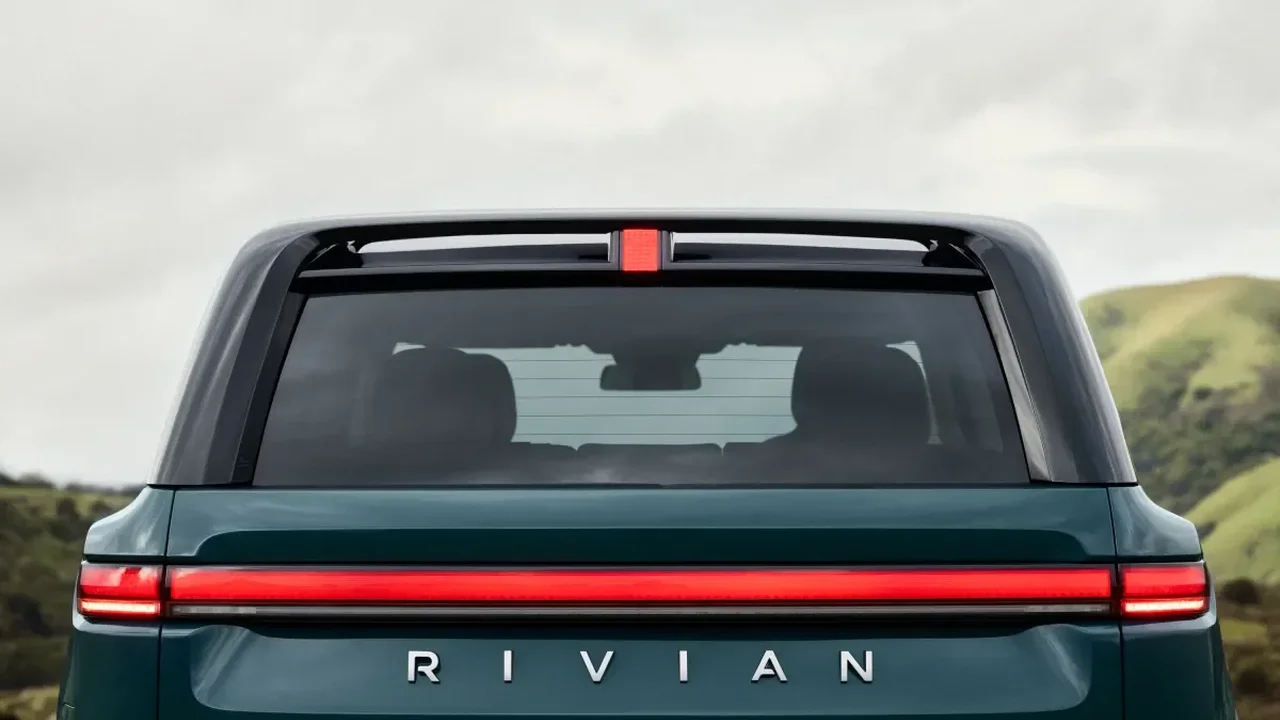
Rivian has announced a groundbreaking collaboration with Uber to develop a fleet of robotaxis based on its forthcoming R2 SUV, a venture potentially valued at up to $1.25 billion. This partnership kicks off with an initial investment of $300 million from Uber, which plans to acquire 10,000 fully autonomous R2 robotaxis, set to launch in San Francisco and Miami by 2028.
As part of the agreement, Uber holds the option to purchase an additional 40,000 autonomous R2 SUVs starting in 2030. The two companies aim to roll out their robotaxi service in 25 cities across the U.S., Canada, and Europe by the close of 2031, exclusively integrating this fleet into Uber's platform.
While this partnership poses significant opportunities for Rivian, it also comes with inherent challenges. The company has yet to commence production of the R2 SUV, with manufacturing slated to begin in June. Furthermore, Rivian is still in the process of developing a self-driving system tailored for robotaxi applications, with plans for the vehicles to be manufactured at its Georgia facility, which is currently under construction.
Despite these hurdles, Rivian's founder and CEO, RJ Scaringe, remains optimistic. He has emphasized the importance of automated driving technology, suggesting that the company's focus on AI-driven strategies will facilitate its entry into the ride-sharing market. During Rivian's inaugural "Autonomy & AI Day," Scaringe hinted at leveraging AI to enhance the capabilities of their vehicles, moving away from traditional driver assistance frameworks.
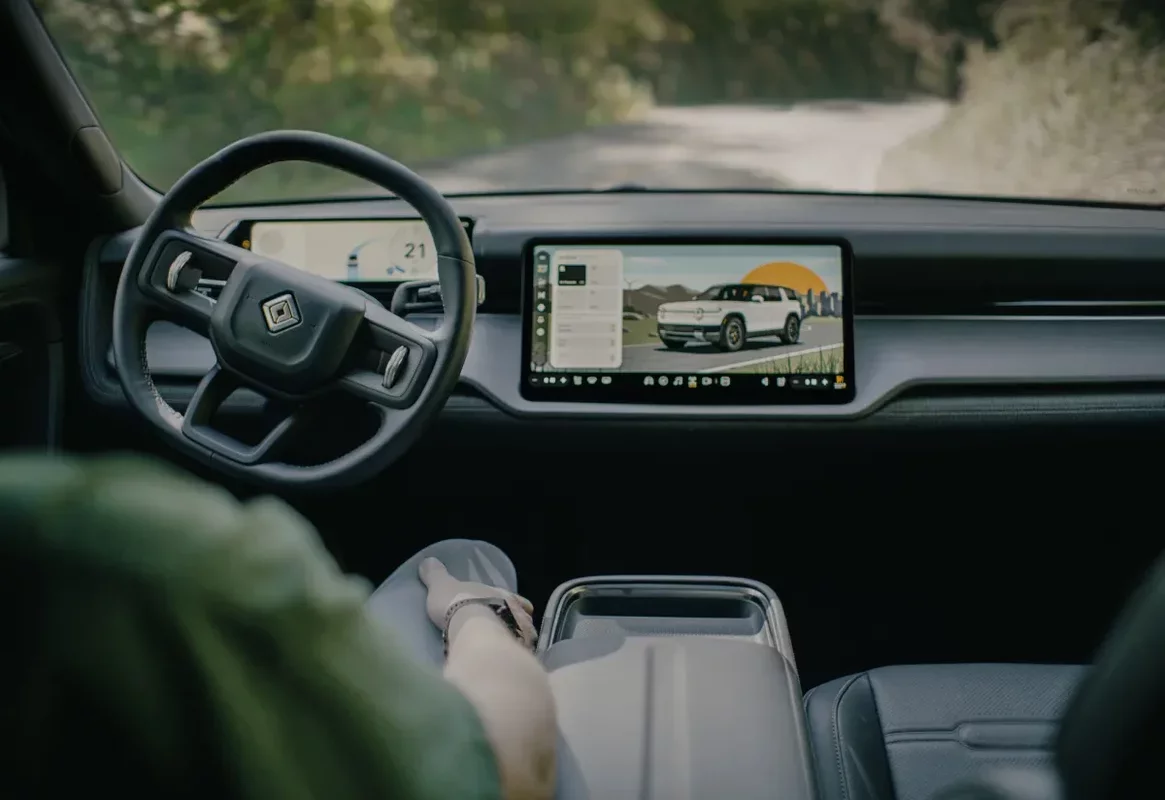
The Rivian Autonomy Platform, which debuted in 2024 with the second-generation R1 vehicles, is central to this vision. This system is designed to evolve from hands-free driving on select highways to a comprehensive point-to-point navigation feature expected to launch later this year. Ultimately, Rivian aims to introduce a hands-off, eyes-off driving experience through advanced hardware upgrades, including lidar sensors and a high-capacity processing unit.
While Rivian is committed to achieving full autonomy, Scaringe acknowledges that the current technology does not yet meet the criteria for completely autonomous driving, where no human intervention is necessary. Nonetheless, Rivian's ambition includes reaching a level of automation classified as "personal L4," as defined by the Society of Automotive Engineers, allowing autonomous operation in specific areas without human oversight.
Scaringe expressed confidence in the rapid advancements in automated driving technologies, stating that the pace of progress is likely to accelerate significantly in the coming years. This collaboration with Uber marks a pivotal step for both companies as they navigate the evolving landscape of autonomous transportation.
Uber's history of partnering with various electric vehicle manufacturers, including previous collaborations with Lucid Motors and Nuro, highlights its commitment to shaping the future of urban mobility through innovative technologies.