Triomics, an innovative startup focused on revolutionizing oncology through artificial intelligence, has successfully raised $22 million in Series B funding. This investment aims to enhance their AI-driven platform, designed to assist oncologists and administrative teams in automating data-intensive tasks such as clinical trial matching and appointment preparations.
The funding round was spearheaded by Battery Ventures, with contributions from established investors including Nexus Venture Partners, Lightspeed, and Y Combinator.
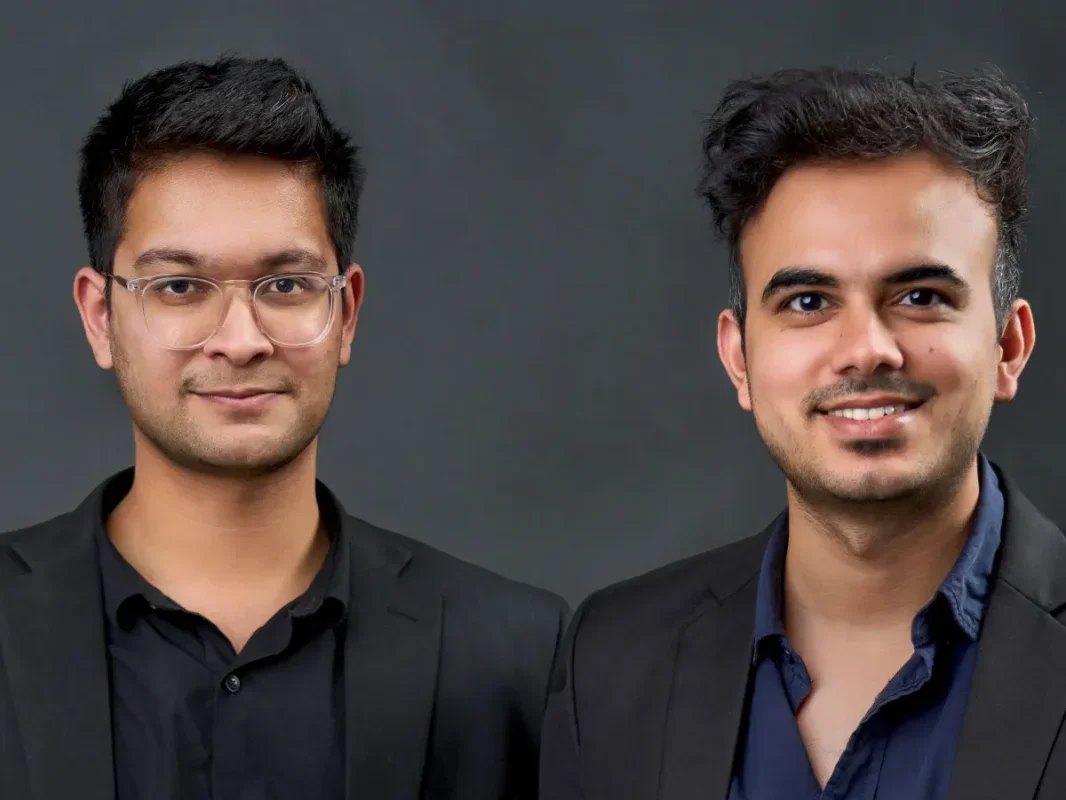
As advancements in oncology lead to improved patient survival rates, the resulting accumulation of extensive medical records presents a challenge for healthcare professionals. These records often contain a multitude of documents, including physician notes, imaging results, and pathology reports, sometimes extending to thousands of pages. Sarim Khan, co-founder of Triomics, shared insights on the complexities of managing such vast amounts of information.
Founded in 2021, Triomics initially garnered attention with a $15 million Series A funding in mid-2024. The startup began by assisting physicians in identifying the most appropriate clinical trials for their patients. As large language model (LLM) capabilities evolved, Triomics expanded its offerings to include verifiable patient summaries, seamlessly integrating vital information into the existing tools that clinicians use, thereby eliminating the need to switch between applications.
This innovative approach not only streamlines appointment preparations but also allows oncologists to dedicate more quality time to their patients. The impact of such efficiency is particularly significant in oncology, where patient histories can be exceptionally intricate, and administrative burdens contribute to staff burnout.
Additionally, Triomics automates the submission of tumor reports to government registries, a critical requirement for cancer centers. Its specialized AI models are tailored specifically for oncology data, making them preferable over generic AI agents. Esteemed institutions like Memorial Sloan Kettering and Yale Cancer Center have adopted Triomics for its targeted capabilities.
While competitors such as Abridge and Microsoft's Nuance offer AI medical scribing solutions to document patient-doctor interactions, Triomics distinguishes itself through its focused application in summarizing patient charts.
Despite the competitive landscape, Triomics is experiencing rapid growth, with a fourfold increase in its enterprise customer base over the past year, resulting in a remarkable tenfold rise in annual recurring revenue, according to Khan.
This significant investment and the ongoing advancements in AI technology signal a promising future for oncology, potentially transforming patient care and administrative efficiency in cancer treatment.