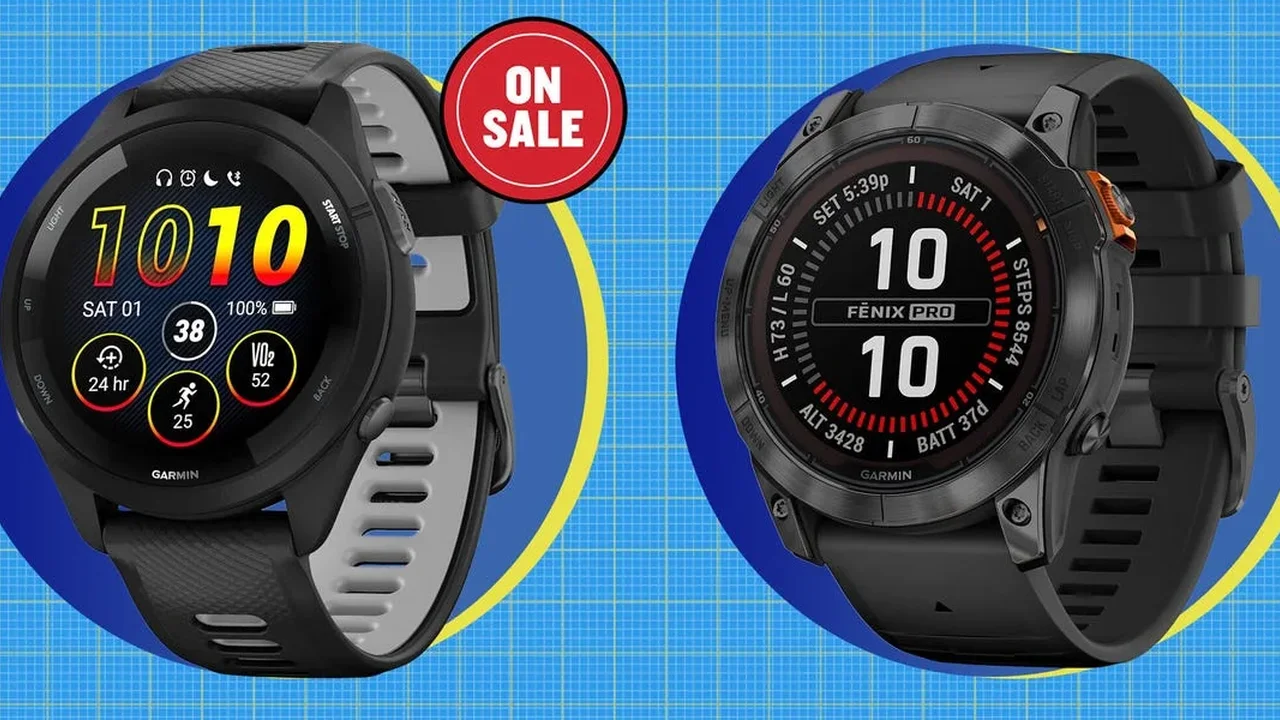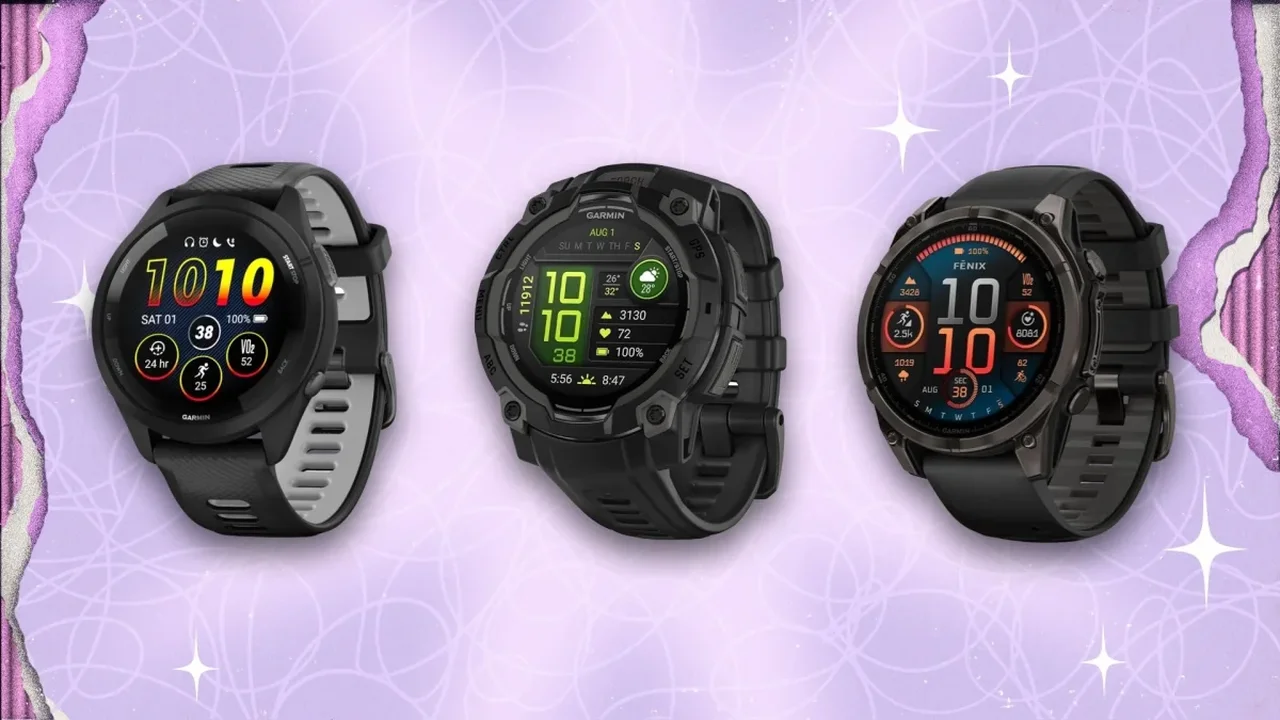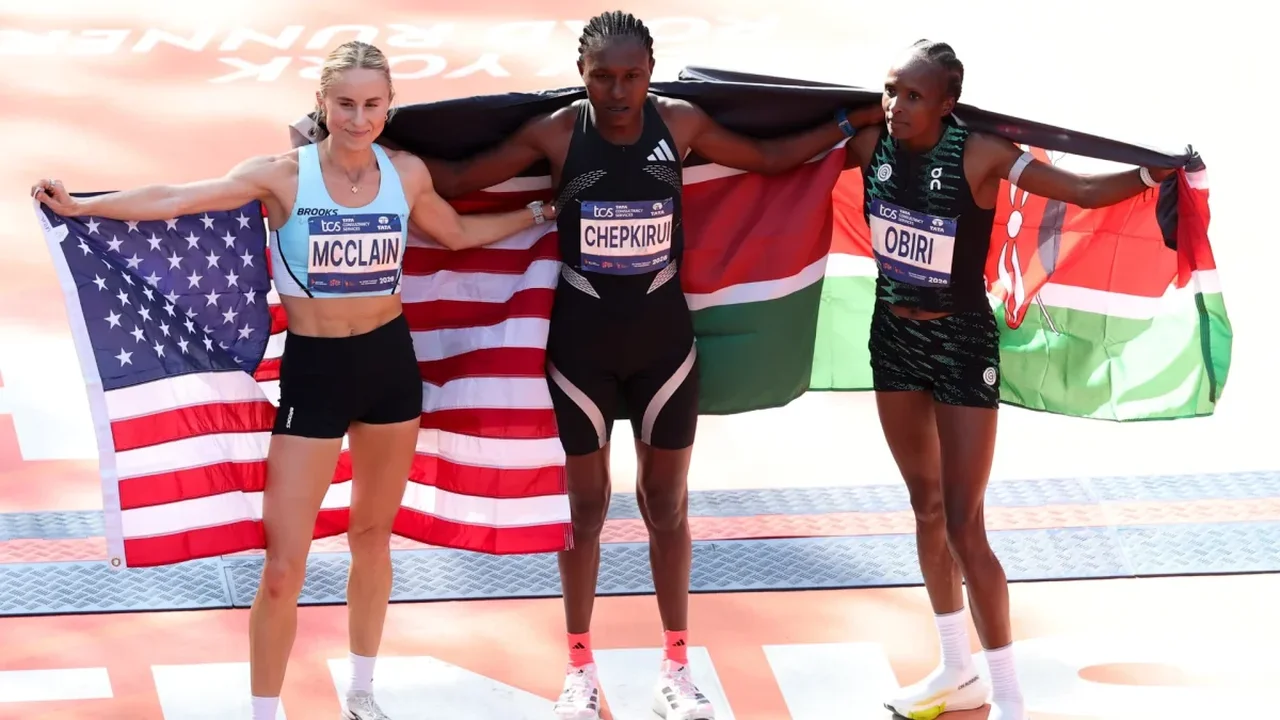
At the New York City Marathon, several leading runners wore GPS watches from brands beyond Garmin. The reported lineup included men's winner Andreas Almgren with a COROS Pace 4, runner-up Yemaneberhan Crippa with an Amazfit Cheetah 2 Pro, and women's runner-up Jessica McClain with a Garmin Forerunner 570. Women's third-place finisher Hellen Obiri also wore the COROS model, while nonbinary winner Ryan Montgomery wore a Suunto Race 3S.
The athletes' watches may have been supplied through sponsorships, so their choices do not necessarily represent independent product comparisons. Still, the range of brands on the podium highlights how competitive the running-watch market has become. Garmin remains known for its broad feature set and established ecosystem, but COROS, Amazfit and Suunto are also attracting elite athletes.
What matters in a running watch
For most runners, premium extras such as detailed training analytics, maps and music may matter less than reliable pace and distance tracking, a readable screen, comfortable fit, dependable controls and battery life that lasts through a race. Choosing a model that handles these essentials well can be more useful than paying for features a runner rarely uses.
The podium's mix of brands suggests that serious running watches are no longer defined by a single manufacturer. As competition grows, runners may see more capable options across a wider range of prices.