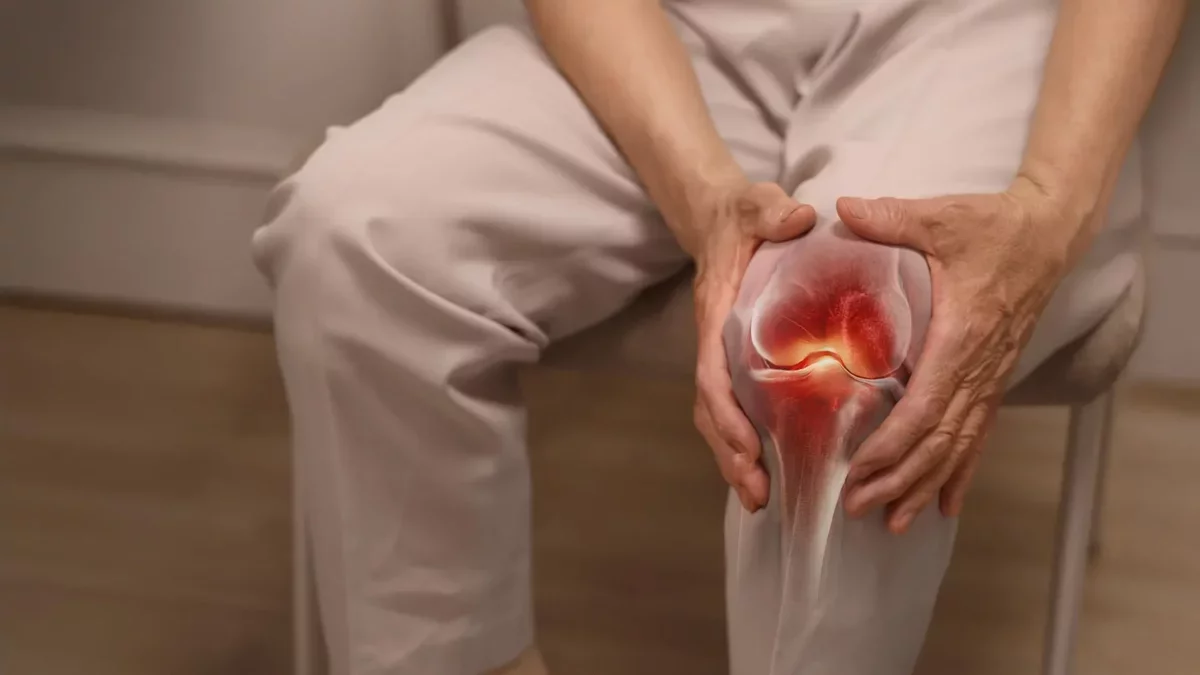
For millions suffering from joint pain and osteoarthritis, the most effective treatment isn't found in medication or surgery--it's in movement. Despite this, many healthcare systems fail to prioritize exercise as a therapeutic option, leaving patients unaware of its benefits.
Exercise is widely acknowledged as a crucial remedy for chronic joint conditions like osteoarthritis. However, studies from various countries, including Ireland, the UK, Norway, and the United States, show that less than half of those diagnosed with osteoarthritis receive referrals to exercise programs or physical therapy from their primary care providers. Alarmingly, over 60% of patients receive treatments that are not recommended by clinical guidelines, and around 40% are referred for surgical options before exploring non-surgical alternatives.
Understanding Joint Health
To grasp the significance of exercise, it's essential to understand joint function. Osteoarthritis, the most prevalent form of arthritis, currently affects over 595 million people worldwide. A major study published in The Lancet projects that this figure could rise to nearly one billion by 2050, driven by longer lifespans, sedentary lifestyles, and increasing obesity rates.
Engaging in regular physical activity does more than alleviate symptoms; it can also reduce the risk of developing osteoarthritis and mitigate its severity. Cartilage, the tissue that cushions joints, relies on movement to remain healthy. When weight is applied to a joint, cartilage is compressed, which helps distribute nutrients and lubricants essential for joint health.
Describing osteoarthritis merely as "wear and tear" is a misconception. Instead, it should be viewed as a complex interplay of breakdown and repair, with movement playing a vital role in maintaining joint integrity.
A Comprehensive Approach to Osteoarthritis
Osteoarthritis affects not just cartilage but the entire joint structure, including joint fluid, bones, ligaments, muscles, and nerves. Targeted exercise can address multiple aspects of joint health simultaneously. Muscle weakness is often an early indicator of osteoarthritis, and resistance training can effectively combat this issue. Research indicates that weak muscles can increase the likelihood of developing osteoarthritis and accelerate its progression.
Programs like GLA:D® (Good Life with osteoArthritis: Denmark) are specifically designed for individuals with hip and knee osteoarthritis. Typically conducted in supervised group settings led by physical therapists, these programs focus on enhancing movement quality, balance, and strength, ultimately improving joint stability and confidence in movement.
Participants often report significant reductions in pain and enhanced quality of life lasting up to a year post-program.
Combatting Inflammation and Obesity
Obesity is a significant risk factor for osteoarthritis, not only due to added stress on joints but also because excess body fat is linked to increased inflammatory markers. Regular physical activity can counteract these effects, lowering inflammation and supporting joint health at a molecular level.
While joint replacement surgery may be transformative for some, it is a major procedure that doesn't suit everyone. Exercise should always be the first line of defense and integrated into care throughout the disease's progression, offering broad health benefits beyond joint health.
Osteoarthritis is influenced by muscle strength, inflammation, metabolism, and lifestyle choices. Structured exercise effectively addresses these factors, safeguarding cartilage and enhancing overall health. Movement, therefore, stands as one of the most potent treatments available before considering surgical options.