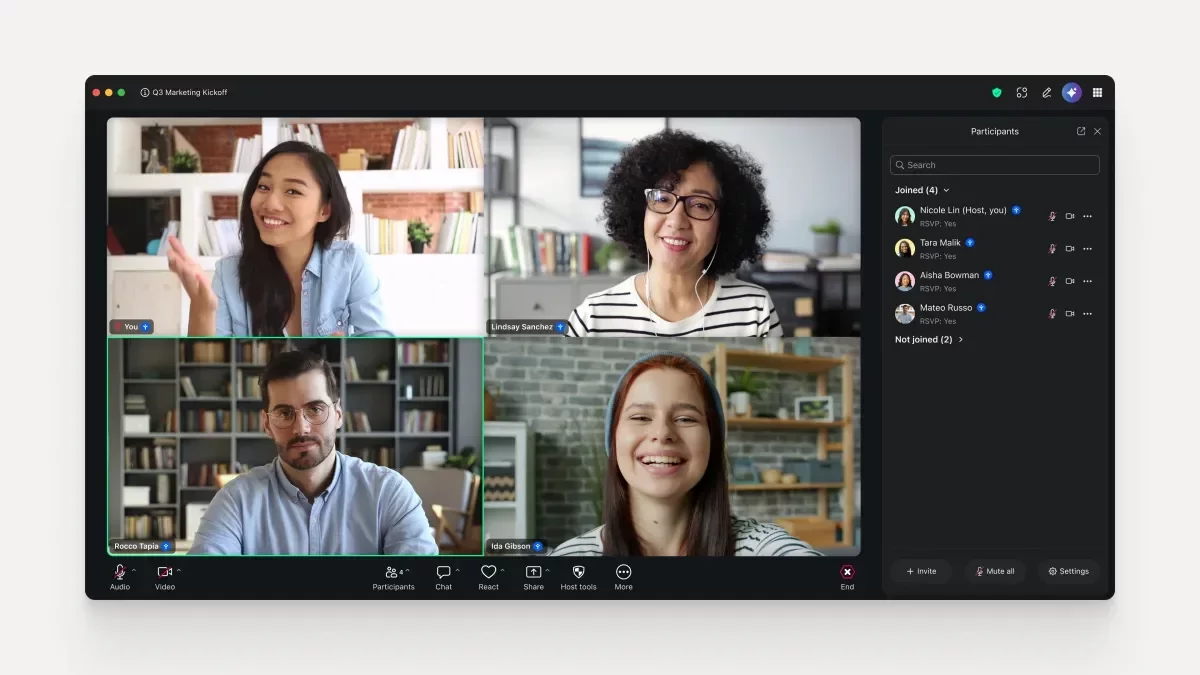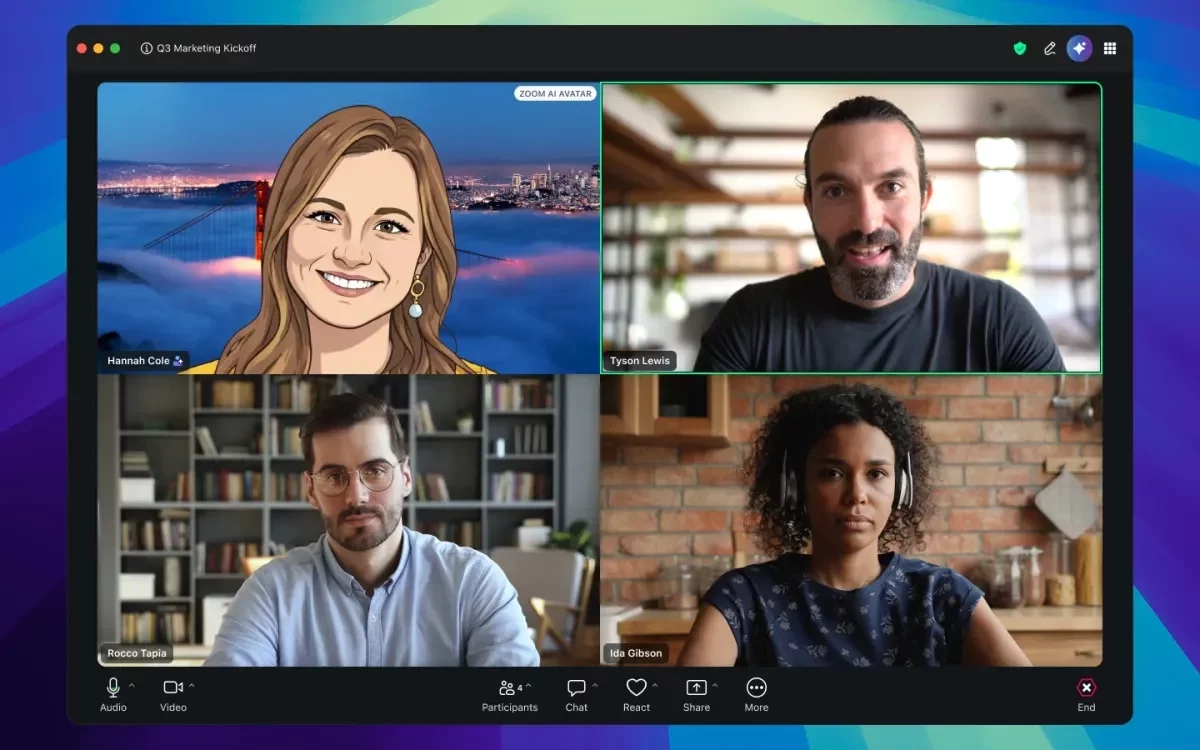
As AI transcription tools become part of everyday work and social life, a new etiquette is emerging around recording. Venture capitalist Jeremy Levine has taken an unusual approach on Zoom, adding a clear note to his display name to signal that he does not consent to being recorded or transcribed.
The move reflects a broader shift: note-taking apps and wearable devices are making it easier than ever to capture conversations automatically. For many users, that means meetings, founder pitches, and even casual discussions are now assumed to be documented in real time.
Some professionals see the trend as practical, while others worry it changes the tone of conversation. When every exchange can be stored, summarized, and searched later, spontaneity may give way to caution. The issue is not only social, but also about how much value people actually extract from constant recording.
There is also growing interest in how AI tools are being used beyond work. Some users now rely on transcription apps to review interactions, compare speaking time, or reflect on communication style. That points to a future where AI is not just a memory aid, but a layer shaping how people prepare, participate, and evaluate their conversations.
As these tools spread, the real challenge may be finding a balance between convenience and consent. The next phase of digital communication could be defined not just by what can be recorded, but by what people choose to leave unrecorded.