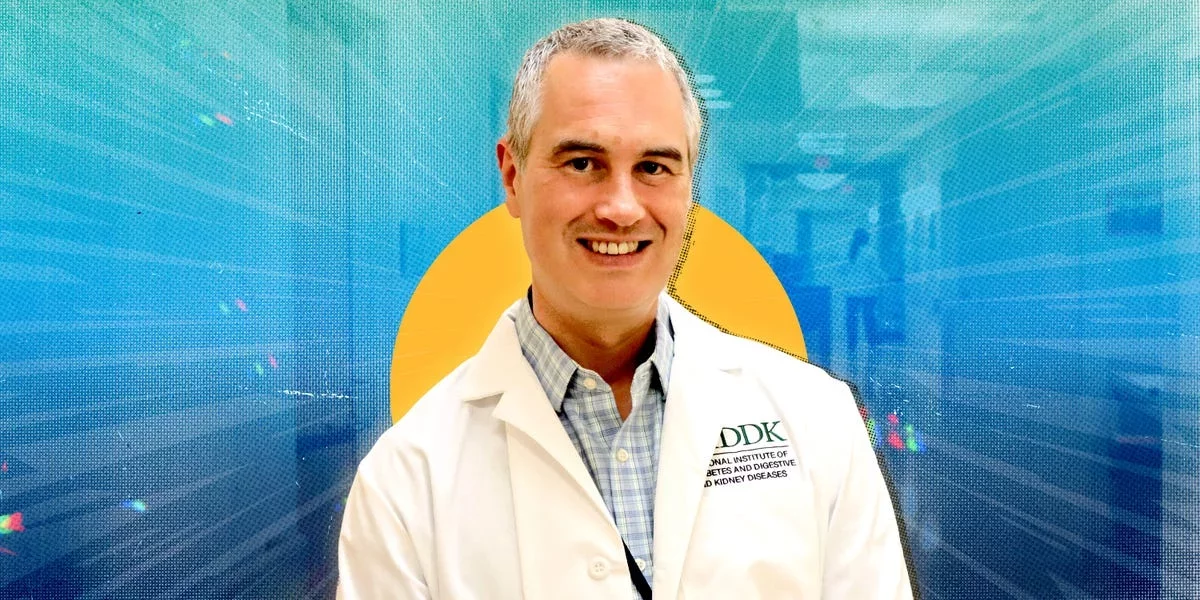
Dr. Kevin Hall, a prominent figure in nutritional science, dedicated over two decades to the National Institute of Diabetes, Digestive and Kidney Diseases, part of the National Institutes of Health (NIH). His research significantly explored the intricate links between dietary habits and health, particularly examining the effects of ultra-processed foods. Notably, he was the first to conduct a randomized, controlled study revealing that a diet rich in these foods leads to weight gain.
In April 2025, Dr. Hall made the difficult decision to retire from the NIH, citing challenges under the Trump administration that stifled his ability to communicate freely about his research. He faced restrictions on discussing findings that contradicted the administration's views on health and inclusion, ultimately impacting the integrity of scientific discourse.
Currently, Dr. Hall is a clinical scientist at AstraZeneca, where he focuses on developing pharmacotherapies for obesity. He has also authored a book titled Food Intelligence: The Science of How Food Both Nourishes and Harms Us, which delves into the complexities of nutrition and health.
Reflecting on his departure from the NIH, Dr. Hall notes that he initially received interest from academic institutions, but concerns about potential repercussions from the administration influenced their decisions. He explains that the NIH's environment became increasingly hostile to scientific inquiry, particularly regarding the funding and supplies necessary for research.
Throughout his tenure, Dr. Hall encountered numerous obstacles, including restrictions on hiring research staff and the procurement of essential supplies, which ultimately hindered ongoing studies. He recalls a significant moment when the NIH's leadership dismissed findings that contradicted the prevailing narrative, illustrating a troubling trend of censorship in scientific communication.
Despite these challenges, Dr. Hall remains committed to advancing scientific understanding of nutrition and obesity. He emphasizes the importance of evidence-based research and the need for open dialogue in the scientific community. His experience serves as a reminder of the vital role that unrestricted scientific inquiry plays in promoting public health.
As Dr. Hall continues his work at AstraZeneca, he envisions a future where scientific research is free from political influence, allowing for genuine advancements in health and nutrition. His journey highlights the resilience of scientists dedicated to uncovering the truth and improving public health through rigorous research.