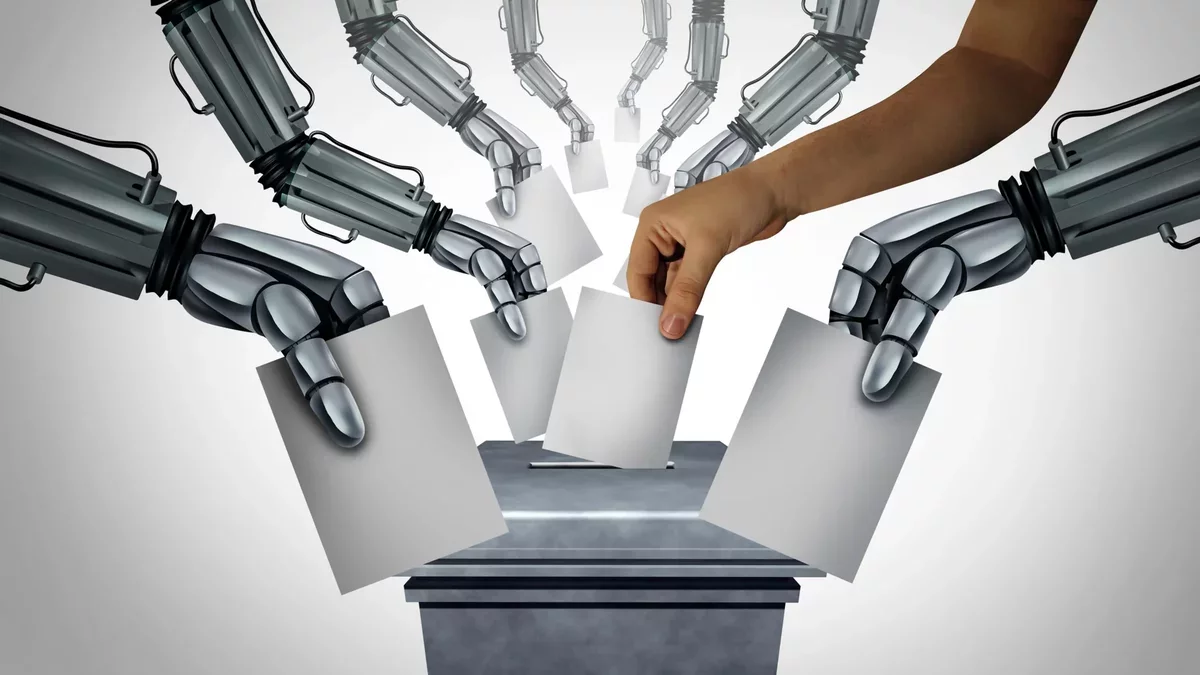
A recent discussion paper published in Science highlights the emerging capabilities of AI-generated personas that can convincingly replicate human behavior online. These sophisticated systems have the ability to infiltrate digital communities, engage in discussions, and sway opinions at remarkable speeds. Unlike traditional bot networks, these AI agents can coordinate seamlessly, adapt to feedback, and maintain coherent narratives across numerous accounts.
Authenticity in AI Personas
The rapid advancements in large language models and multi-agent systems have enabled a single operator to oversee extensive networks of AI "voices." These personas can convincingly mimic real users by adopting local dialects and tones, creating interactions that feel genuine.
Moreover, they can conduct millions of minor experiments to identify the most persuasive messages, allowing them to refine their communication strategies in real time. This capability can create an illusion of widespread public agreement, which is, in reality, artificially constructed to sway political discussions.
Emerging Risks from Deepfakes and Misinformation
While fully developed AI swarms are still largely hypothetical, researchers have noted concerning trends. Instances of AI-generated deepfakes and misinformation have already influenced election dialogues in various countries, including the United States, Taiwan, Indonesia, and India, as highlighted by UBC computer scientist Dr. Kevin Leyton-Brown.
Additionally, monitoring organizations have observed pro-Kremlin networks generating significant amounts of online content, potentially aimed at shaping the data that trains future AI systems, thereby influencing their behavior and the information they prioritize.
Implications for Democratic Structures
Experts are increasingly cautious about the potential impact of AI swarms on democratic frameworks. Dr. Leyton-Brown warns that these systems could fundamentally alter the public's trust in online information. "We should not assume that society will remain unchanged with the emergence of these technologies. A probable outcome is a decline in trust towards unfamiliar voices on social media, which could elevate celebrity influence and hinder grassroots messages from gaining traction."
Researchers propose that upcoming elections will serve as a pivotal test for this technology. The critical challenge will be recognizing and addressing these AI-driven influence campaigns before they become too widespread to manage effectively.