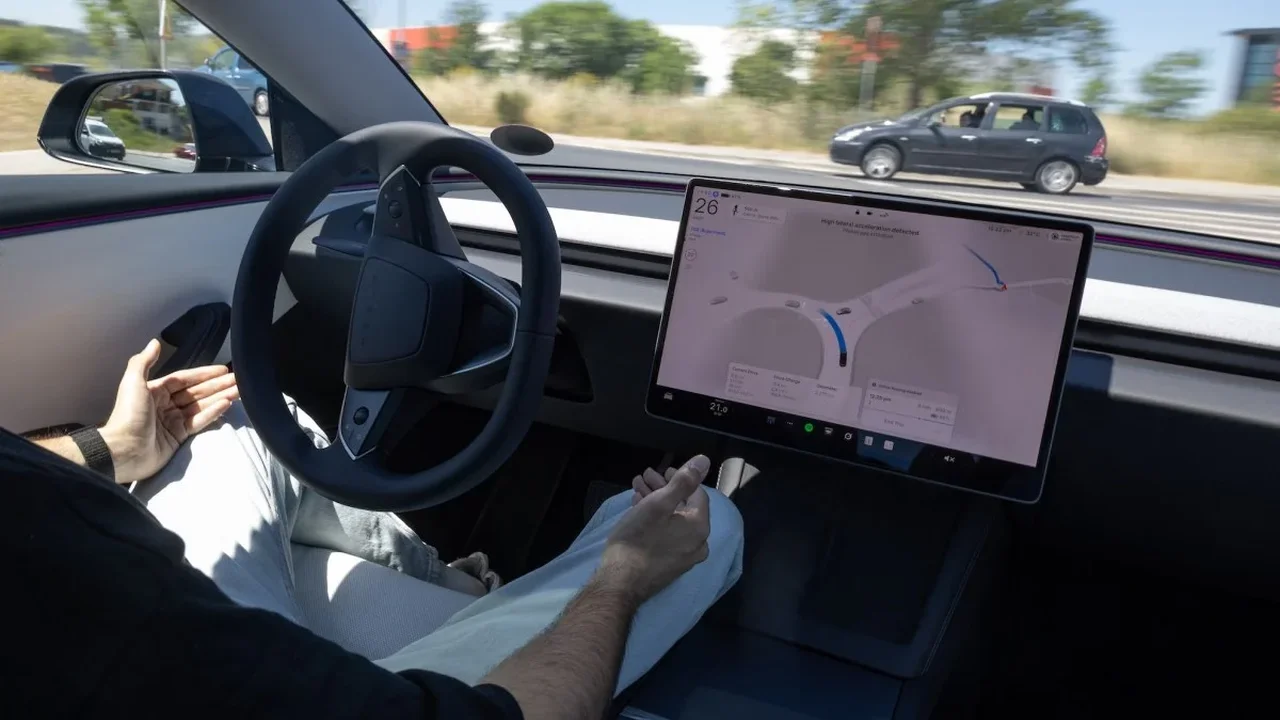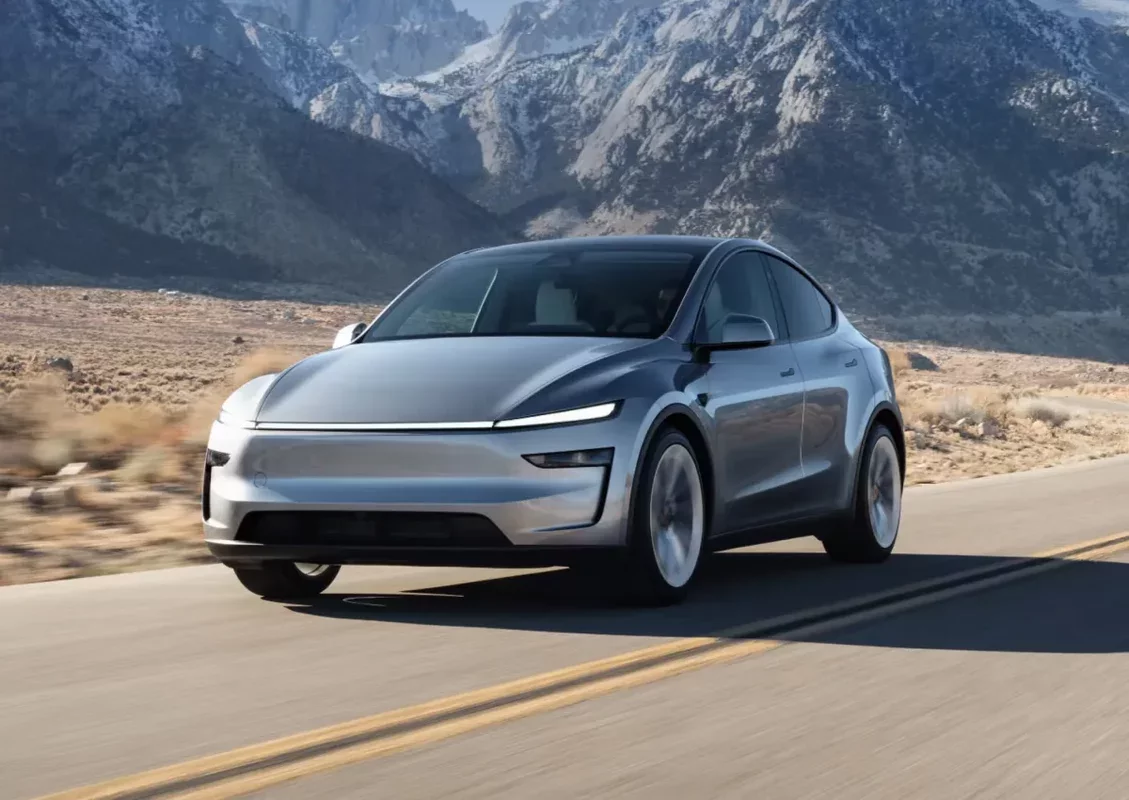
Tesla has long promised the arrival of "more affordable" electric vehicles, and last October, they introduced streamlined versions of the Model Y and Model 3, priced at $39,990 and $36,990, respectively. However, recent sales figures indicate that these new models have not significantly impacted Tesla's overall performance.
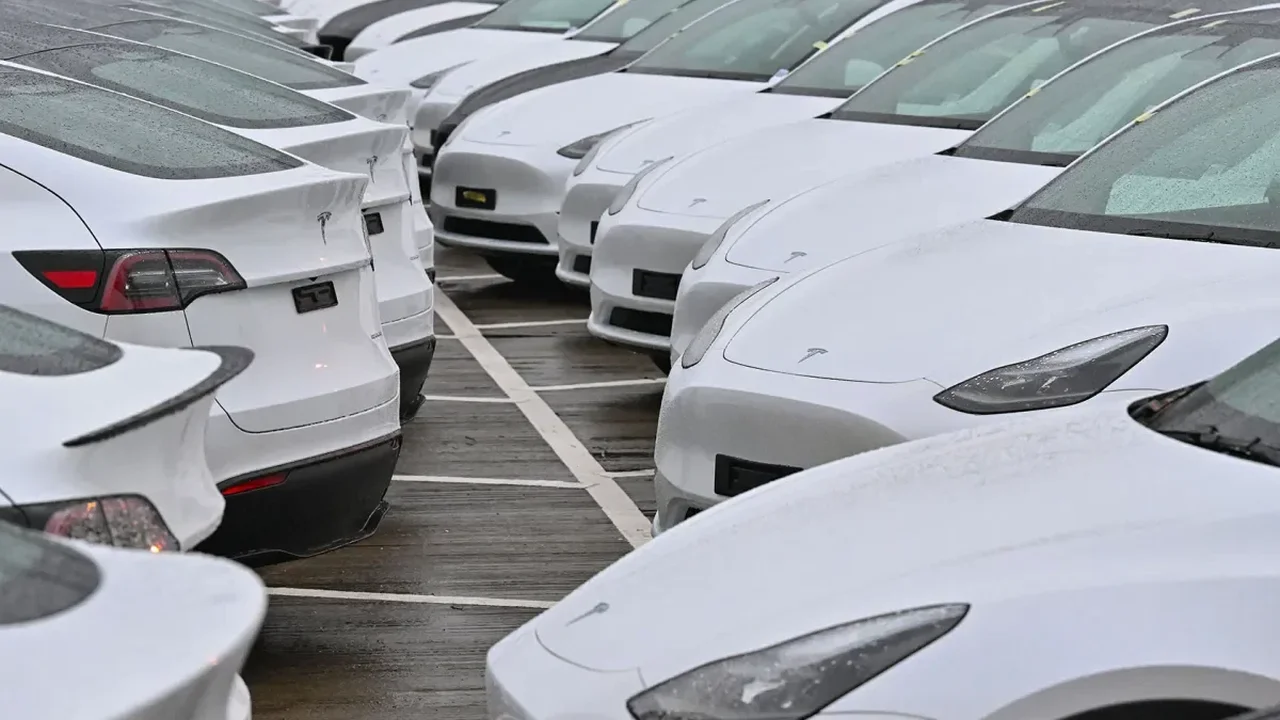
In the first quarter of this year, Tesla reported global deliveries of 358,023 electric vehicles, falling short of analysts' expectations of approximately 368,000. The company produced a substantial 408,386 vehicles during the same period, highlighting a disparity between production and sales.
This represents only a 6% increase in deliveries compared to the first quarter of 2025, a year that marked one of Tesla's most challenging periods. The production slowdown, attributed to equipment upgrades, suggests that the figures for Q1 2026 may not reflect a genuine recovery.
These sales statistics are particularly striking for a company that once projected annual growth of 50% in electric vehicle sales. With the current trajectory, Tesla faces the possibility of a third consecutive year of declining sales, coinciding with a downturn in profits.
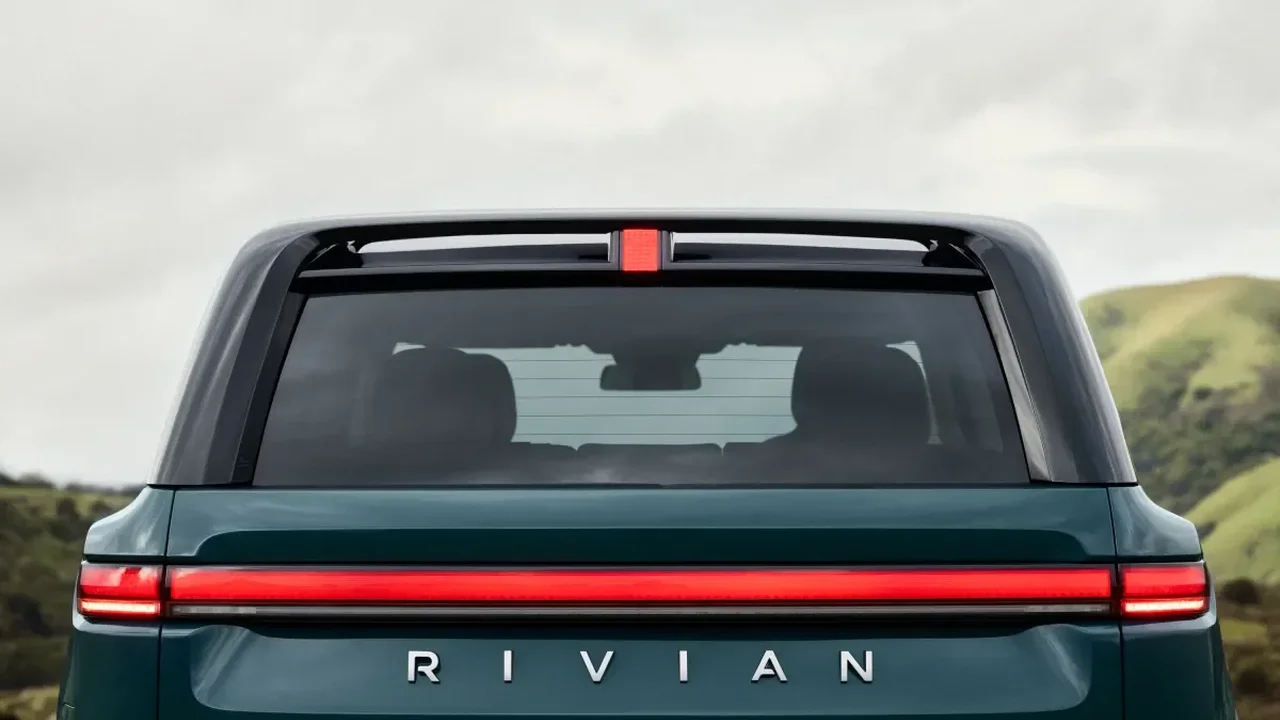
Tesla is not alone in facing challenges within the electric vehicle market, especially in the U.S. Traditional automakers have scaled back their ambitious EV plans, while new entrants like Rivian reported stagnant sales, delivering just over 10,000 vehicles in the first quarter.
Rivian is set to launch its new, more affordable R2 SUV, which it hopes will invigorate its sales. However, the base model of this vehicle won't be available until late 2027, leaving the company to navigate a challenging market in the interim.
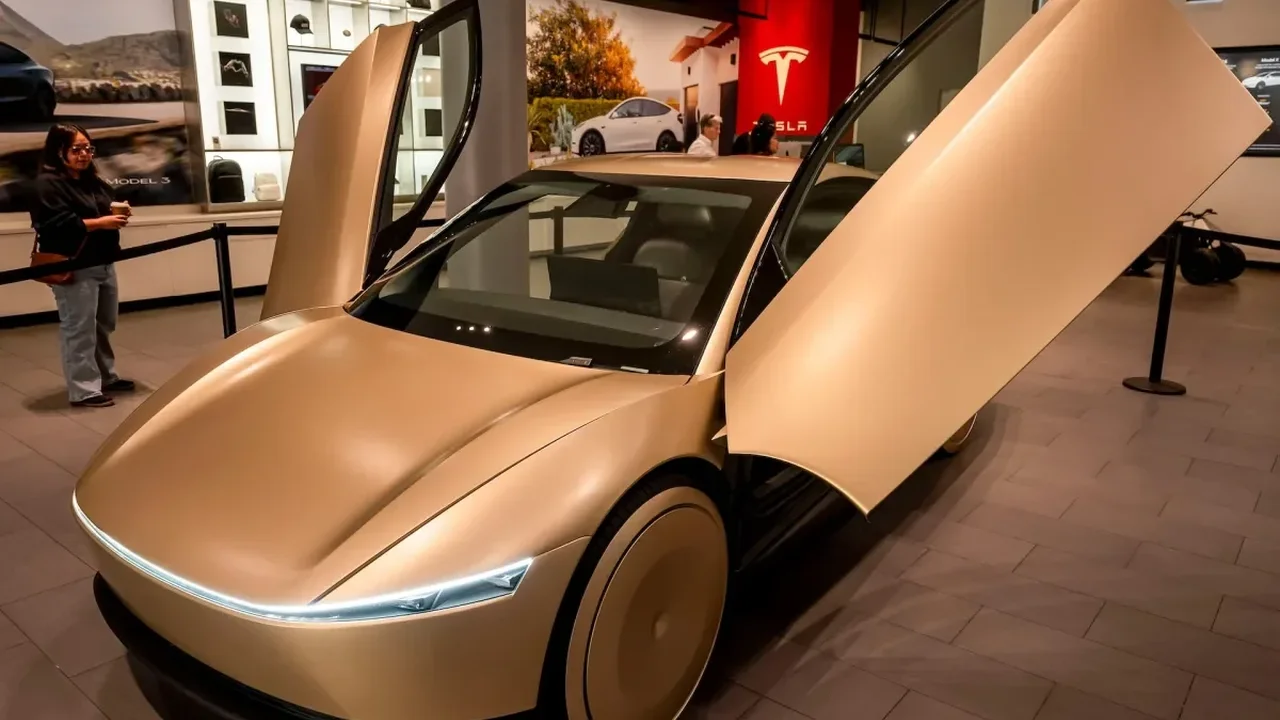
While Tesla has focused on its existing models, it does not currently have a new mass-market vehicle in the pipeline. The company had previously considered developing a lower-cost EV priced around $25,000 but pivoted to prioritize the CyberCab project instead. Consequently, the more affordable Model Y and Model 3 were created to fill this gap.
Despite the introduction of the Cybertruck, which has seen significant sales among electric trucks, it has not met the high expectations set by Tesla and CEO Elon Musk. In the first quarter, only 16,130 units were sold under the "other models" category, which includes the Cybertruck and the now-retired Model S and Model X.
The current landscape suggests that while Tesla is adapting to market demands with more affordable options, the overall electric vehicle sector is undergoing significant transformation. As competition intensifies and consumer preferences evolve, the future of electric vehicle sales may hinge on innovation, strategic planning, and the ability to meet diverse customer needs.