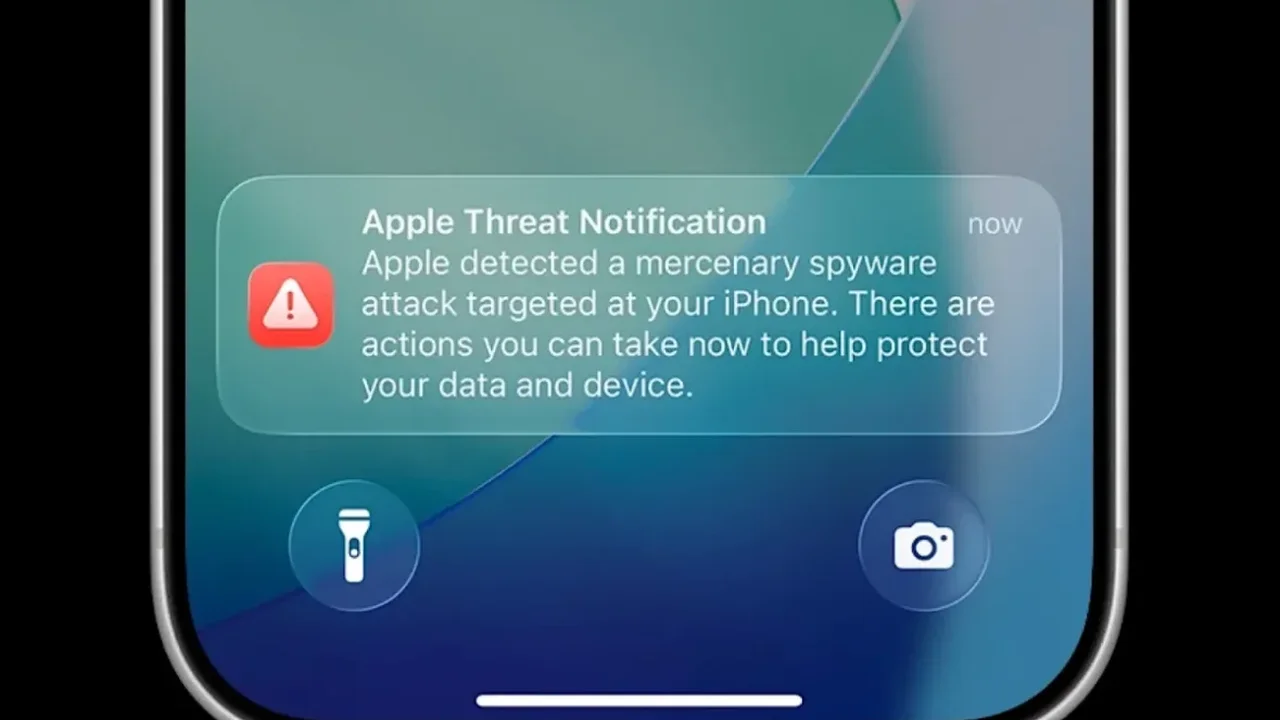
Recent investigations by security experts have unveiled two distinct surveillance operations exploiting vulnerabilities in global telecom networks to track individuals' locations. These findings, published by Citizen Lab, a digital rights organization renowned for its work in exposing surveillance abuses, suggest that these incidents may represent a broader trend of misuse by surveillance vendors.
The report reveals that the surveillance vendors involved operated under the guise of legitimate cellular providers, allowing them to access telecom networks and gather location data on targeted individuals. The research emphasizes ongoing exploitation of known weaknesses within the telecom infrastructure.
One significant vulnerability is found in the Signaling System 7 (SS7), a protocol that has long underpinned 2G and 3G networks. Experts have raised alarms about the ease with which malicious entities can exploit SS7's lack of authentication and encryption, enabling unauthorized geolocation of mobile devices. Although the newer Diameter protocol was designed to enhance security for 4G and 5G communications, researchers indicate that its implementation is inconsistent, leaving room for attackers to revert to SS7 vulnerabilities.
Both surveillance campaigns reportedly utilized access to three specific telecom providers, which acted as crucial entry points for these operations. Among them, Israeli operator 019Mobile and British provider Tango Networks U.K. were identified as key players in these surveillance activities over several years. Additionally, Airtel Jersey, now part of Sure, has also been linked to previous surveillance campaigns.
Sure's CEO, Alistair Beak, assured that the company does not knowingly allow access to its signaling services for tracking individuals. He emphasized the measures in place to prevent misuse and stated that any substantiated claims of network abuse lead to immediate action to suspend services.
Targeting High-Profile Individuals
The Citizen Lab's findings indicate that these surveillance campaigns targeted various individuals globally, suggesting a coordinated effort by government clients behind the operations. The researchers noted a sophisticated and well-funded approach, deeply integrated into the mobile signaling ecosystem.
One researcher hinted at an Israeli-based commercial geo-intelligence provider being involved, although no specific names were disclosed. The campaigns reportedly utilized both SS7 vulnerabilities and advanced techniques like sending specialized SMS messages to high-profile targets, effectively turning their devices into tracking tools without the users' knowledge.
As the landscape of mobile communication continues to evolve, these findings highlight the urgent need for enhanced security measures within telecom infrastructures. The ongoing development of more secure protocols and vigilant monitoring could pave the way for a future where individuals' privacy is better protected against surveillance abuses.