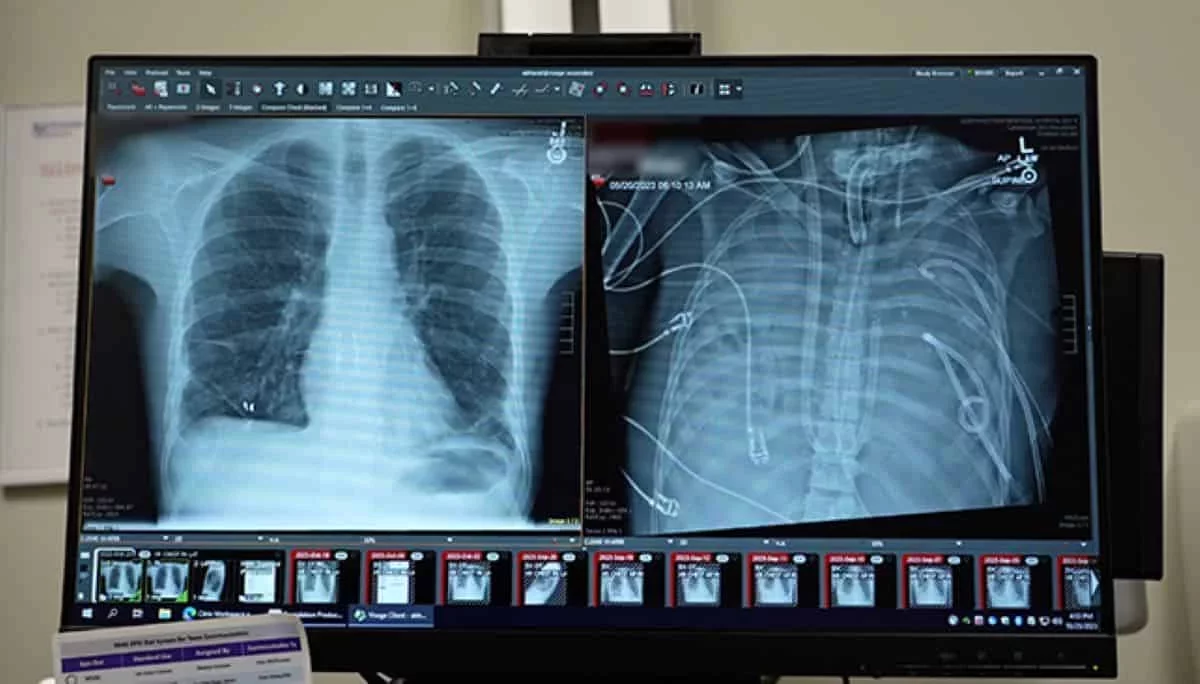
In an extraordinary medical achievement, a 33-year-old man was kept alive for 48 hours without lungs while awaiting a double lung transplant at Northwestern Memorial Hospital in Chicago during the spring of 2023. His condition deteriorated from a severe bout of influenza to acute respiratory distress syndrome (ARDS), complicated by a drug-resistant bacterial infection.
Thoracic surgeon Ankit Bharat described the situation as dire, noting that the patient had experienced cardiac arrest and was critically ill. In a remarkable turn of events, surgeons removed both lungs and utilized a custom-engineered device known as a total artificial lung system to sustain him.
A Life-Saving Decision
Typically, ARDS patients are treated with ventilators or ECMO, allowing time for lung recovery. However, in this case, the patient's lungs were the source of a severe infection, leading to septic shock. The medical team faced a challenging dilemma: keeping the lungs could be fatal, but removing them usually leads to death as well.
Understanding that lungs play a crucial role in regulating blood flow, the team innovatively decided to proceed with a bilateral pneumonectomy. They connected the patient to their artificial lung system, which diverted blood from the heart, oxygenated it, and returned it, all while maintaining stable blood pressure.
"The engineering behind the artificial-lung system is remarkable," said Natasha Rogers, a transplant clinician. Within hours, the patient's blood pressure stabilized, and he was off all medications to support it within 48 hours.
A Critical Window
After the removal of his damaged lungs, doctors discovered irreversible injuries characterized by scarring and immune cell invasion. This case provided biological evidence that some patients with severe ARDS may require a double lung transplant to survive.
Fortunately, after 48 hours on the artificial system, donor lungs became available, and the transplant was successfully performed. More than two years later, the patient enjoys normal heart function and healthy transplanted lungs.
This innovative approach, while not yet ready for widespread application, represents a significant milestone in bioengineering and critical care. It demonstrates the potential of artificial lungs as a temporary solution, buying essential time for patients in dire situations.
Bharat aims to expand the use of this system to other critically ill patients, offering hope for future advancements in medical technology.