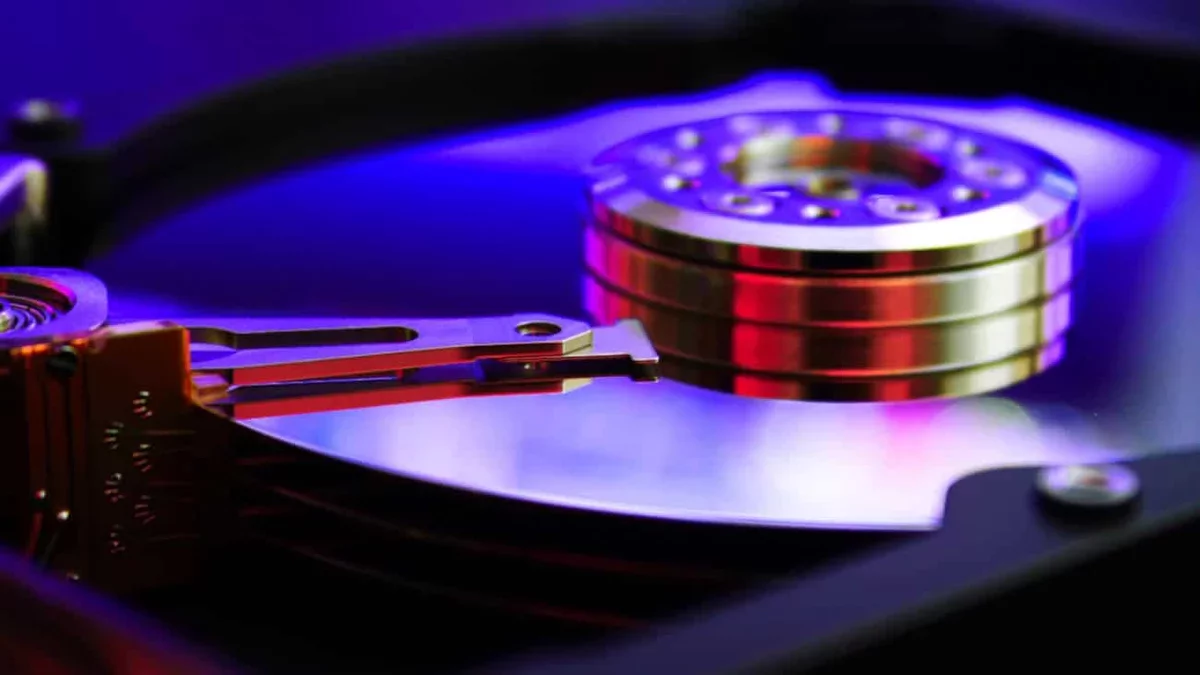
In a remarkable shift, the prices of digital storage solutions have skyrocketed recently. Hard drives, along with memory and solid-state drives, are becoming increasingly expensive due to a surge in demand from companies striving to develop advanced artificial intelligence systems.
In Europe, prices for high-capacity hard drives have surged by as much as 60% within just four months, reflecting an average increase of about 46% across popular models. The trend is echoed in the United States, where an 8-terabyte hard drive that previously retailed for approximately $130 is now priced around $200.
Moreover, the costs of memory and SSDs have escalated even more dramatically. Some DDR5 memory kits, which were available for under $100 in mid-2025, are now nearing $300 or more, while certain SSDs have seen price hikes exceeding 100%. This trend indicates a strained supply chain, as data centers are rapidly acquiring all available storage hardware, often through multi-year contracts. This scenario may become the standard for the foreseeable future unless the current AI boom subsides.
Leading the Charge: Cloud Providers
The driving force behind these price increases is the rapid expansion of AI data centers. The substantial data requirements for training and operating modern AI systems have prompted cloud service providers to secure hardware well in advance.
Western Digital, a key player in the hard drive manufacturing sector, reports that nearly all of its production capacity for the year is already allocated. CEO Irving Tan noted during a recent earnings call that the company is essentially sold out for the entirety of 2026. Much of this capacity is earmarked for a select group of major corporate clients, with some even securing supplies for 2027 and 2028. As a result, consumer sales now account for only a minor portion of the company's revenue.
Tan elaborated on the market dynamics, stating, "As AI capabilities expand, cloud services continue to grow, driving the demand for higher-density storage solutions." He emphasized the company's commitment to providing "reliable, high-capacity drives at scale" to hyperscale cloud customers.
Notably, the AI surge is also creating shortages in memory chips, graphics processors, and other essential components. Even traditional hard drives, which depend less on cutting-edge memory technology, are crucial for storing the vast datasets necessary for AI model training. Manufacturers are increasingly prioritizing high-capacity enterprise drives, leaving fewer units available for retail consumers.
With ongoing investments in AI and little indication that demand will wane, consumers face a challenging reality: the extensive warehouses powering AI advancements are significantly inflating the costs of storage hardware.