A large long-term analysis suggests that resistance training does not need to dominate a weekly routine to deliver meaningful benefits. According to findings published in the British Journal of Sports Medicine, around 90 to 119 minutes of strength work per week may be enough to stand out.
A Long View on Fitness and Longevity
Researchers examined data from nearly 150,000 adults across up to 30 years, drawing on three major cohorts: the Health Professionals Follow-up Study, the Nurses' Health Study, and the Nurses' Health Study II. Participants, who were about 54 years old on average at the start of this analysis, reported their exercise habits every two years.
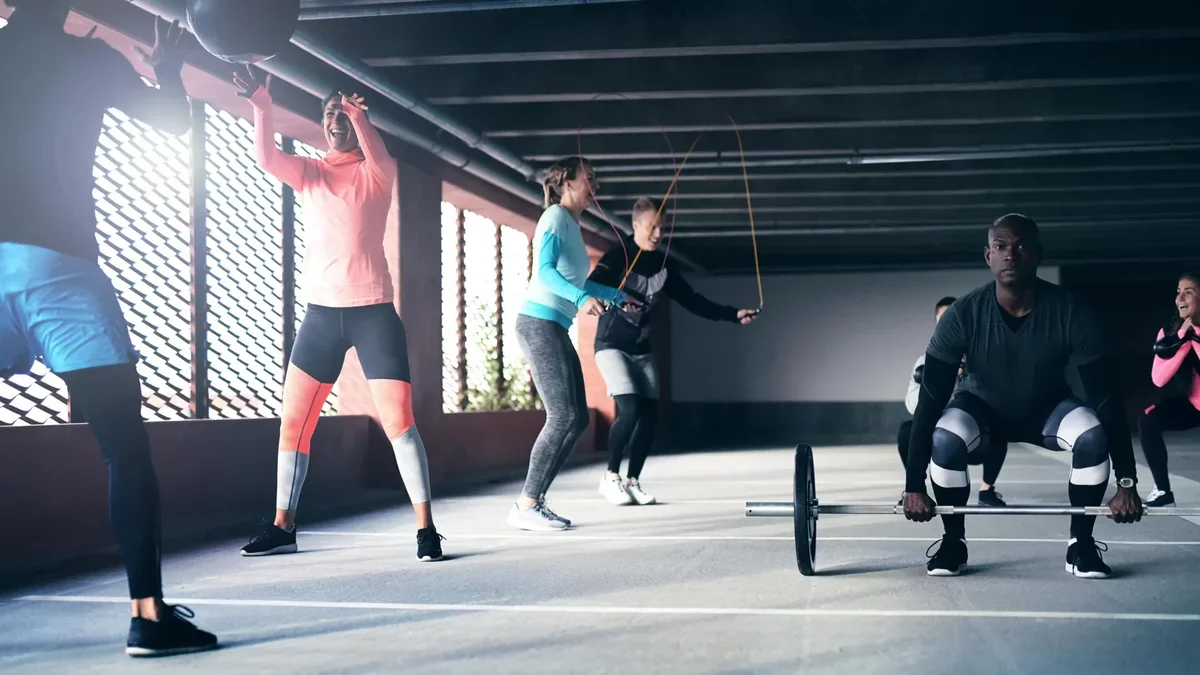
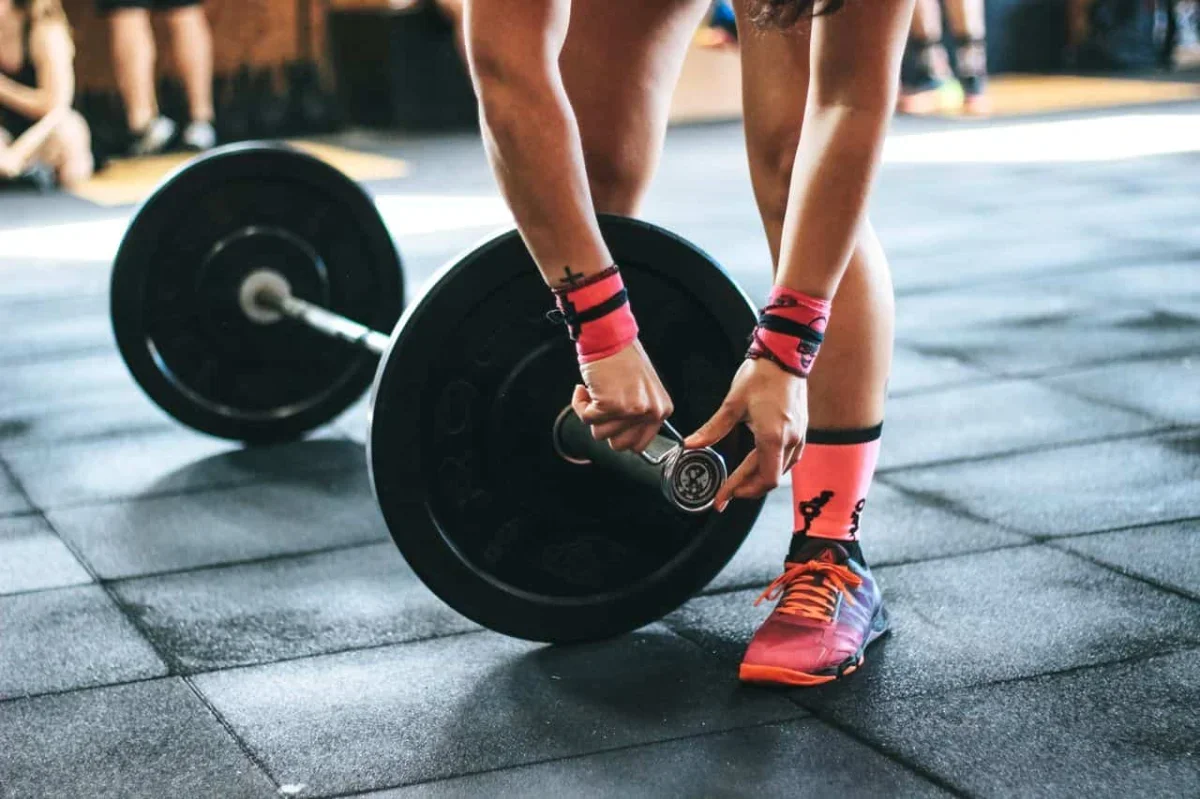
Strength training in the study included weightlifting as well as body-weight movements such as pushups, squats, and lunges. Over the follow-up period, the clearest pattern appeared among people who completed roughly 90 to 119 minutes of resistance exercise each week.
Compared with those who did none, this group showed a 13% lower risk of death from any cause, a 19% lower risk of cardiovascular death, and a 27% lower risk of death linked to neurological disease. Notably, the benefits did not continue rising in a simple line beyond about two hours weekly, suggesting a practical plateau.
Why the Balance Matters
The study also reinforces a broader message: cardio and strength training work best together. People who combined higher levels of aerobic exercise with regular resistance work appeared to have the lowest overall risk in the analysis.
That makes the takeaway especially useful for everyday life. A few short sessions spread across the week may be enough to support muscle, bone, mobility, and independence over time. For many adults, that could mean a mix of weights, resistance bands, or simple body-weight exercises alongside walking, cycling, or swimming.
As people age, preserving strength becomes increasingly important for daily movement, balance, and resilience. This research offers a realistic target that fits modern routines without demanding extreme training volumes. In the future, such evidence may help shape more personalized and sustainable fitness habits.