Spotify has revealed that it disbursed over $11 billion to the music industry in 2025, marking a significant increase of $1 billion compared to the previous year. This amount represents approximately 30 percent of the total revenue generated by the recording industry. However, it's essential to understand that this figure pertains solely to royalties and does not encompass earnings from merchandise, ticket sales, or audiobook and podcast royalties.
It's crucial to highlight that the $11 billion was not directly paid to artists but rather to "rightsholders," which include record labels, distributors, and publishers. Spotify lacks precise insight into how much of this sum ultimately reaches the artists themselves, as individual agreements can vary widely. For instance, artists signed to major labels may receive as little as 15 percent of their royalties, while independent labels often provide more favorable terms, with 50 percent or more going directly to the artist.
Interestingly, Spotify noted that around half of the royalties were allocated to independent artists and labels, which encompasses DIY musicians who release their music through platforms like DistroKid or TuneCore, alongside those signed to indie labels. This category may also include library content and "ghost artists," who have drawn attention due to various controversies. Chris Macowski, Spotify's Global Head of Music Communications, stated that detailed data on the distribution of payouts to independent acts is not readily available.
In 2025, over 12,500 artists earned more than $100,000 in royalties, an increase from 10,000 in 2024. Spotify claims this figure surpasses the number of artists available in record stores during the peak of the CD era, although independent verification of this statement is currently unavailable.
As royalties are determined by a limited pool of funds, the more a song is streamed, the lower the payment per stream becomes for artists. Unless Spotify opts to reduce its own cut, which currently stands at 30 percent, the only avenues for increasing the payout pool are expanding its subscriber base or raising prices. Notably, artists with fewer than 1,000 streams do not receive any compensation from Spotify.
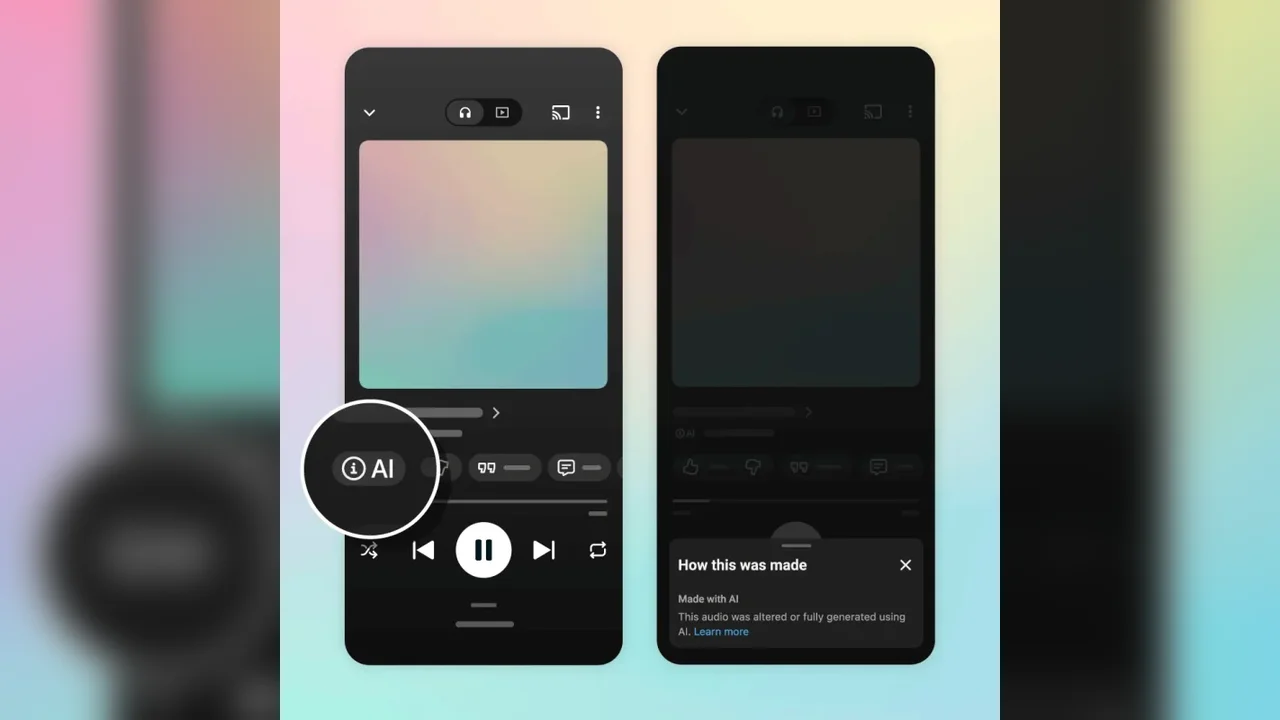
In its announcement regarding the $11 billion payout, Spotify hinted at upcoming initiatives aimed at addressing ongoing criticism. The company plans to introduce "new solutions" to tackle issues such as scams, artist impersonation, and spam content. Acknowledging the exploitation of AI by malicious entities to inundate streaming platforms with low-quality content, Spotify aims to enhance artist verification processes.
Moreover, Spotify appears to be shifting towards a more human-centric approach to music curation in response to growing discontent with algorithm-driven recommendations. The platform intends to incorporate more human elements into the listening experience, although it remains to be seen if this will alleviate the persistent concerns from artists regarding lower payouts compared to competitors.