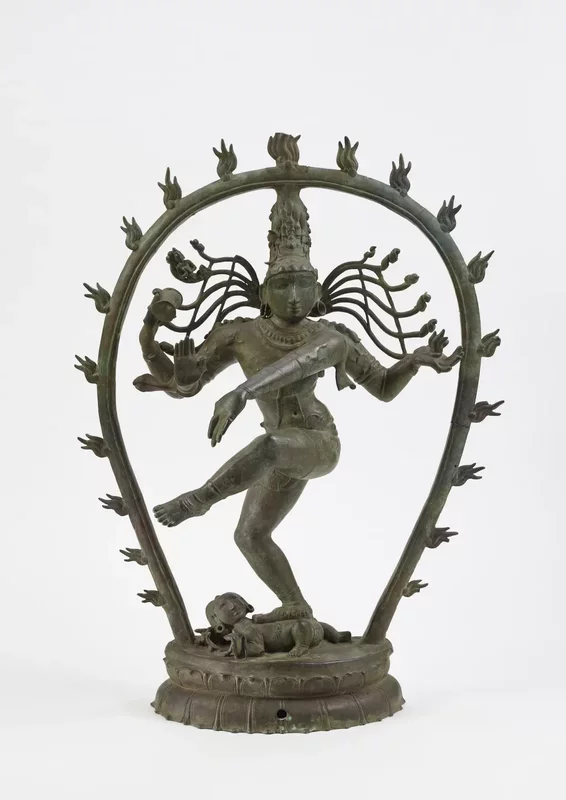
The Smithsonian's National Museum of Asian Art has announced its decision to return three bronze sculptures to India, continuing its commitment to cultural restitution. This follows a recent series of similar actions, including the return of Khmer-period artifacts to Cambodia last month.
The bronze sculptures, which include "Shiva Nataraja" (circa 990), "Somaskanda" (12th century), and "Saint Sundarar with Paravai," were originally sacred items used in temple processions before being taken unlawfully. Research conducted by the museum revealed that these pieces were associated with art dealers known for trafficking looted antiquities. A collaboration with the Photo Archives of the French Institute of Pondicherry in 2023 helped trace their origins, confirming they were photographed in Tamil Nadu, India, between 1956 and 1959, and were removed in violation of Indian laws.
Chase F. Robinson, the museum's director, emphasized the institution's responsibility towards cultural heritage, stating, "The National Museum of Asian Art is committed to stewarding cultural heritage responsibly and advancing transparency in our collection. We strive to understand our objects in their full complexity, carrying out thorough research to trace not just their acquisition but also their historical context."
In December, the museum also returned three Khmer-period sculptures after research indicated they were likely looted during Cambodia's civil conflict from 1967 to 1975. These sculptures, depicting Hindu deities Uma and Harihara and the Buddhist deity Prajnaparamita, were donated to the museum without proper documentation of their export from Cambodia. Similar to the Indian sculptures, these pieces were linked to art dealers who trafficked in stolen artifacts.
The museum further stated, "While the Smithsonian holds legal title to its collections, retaining items without addressing their origins may harm communities and contradict the institution's ethical standards."