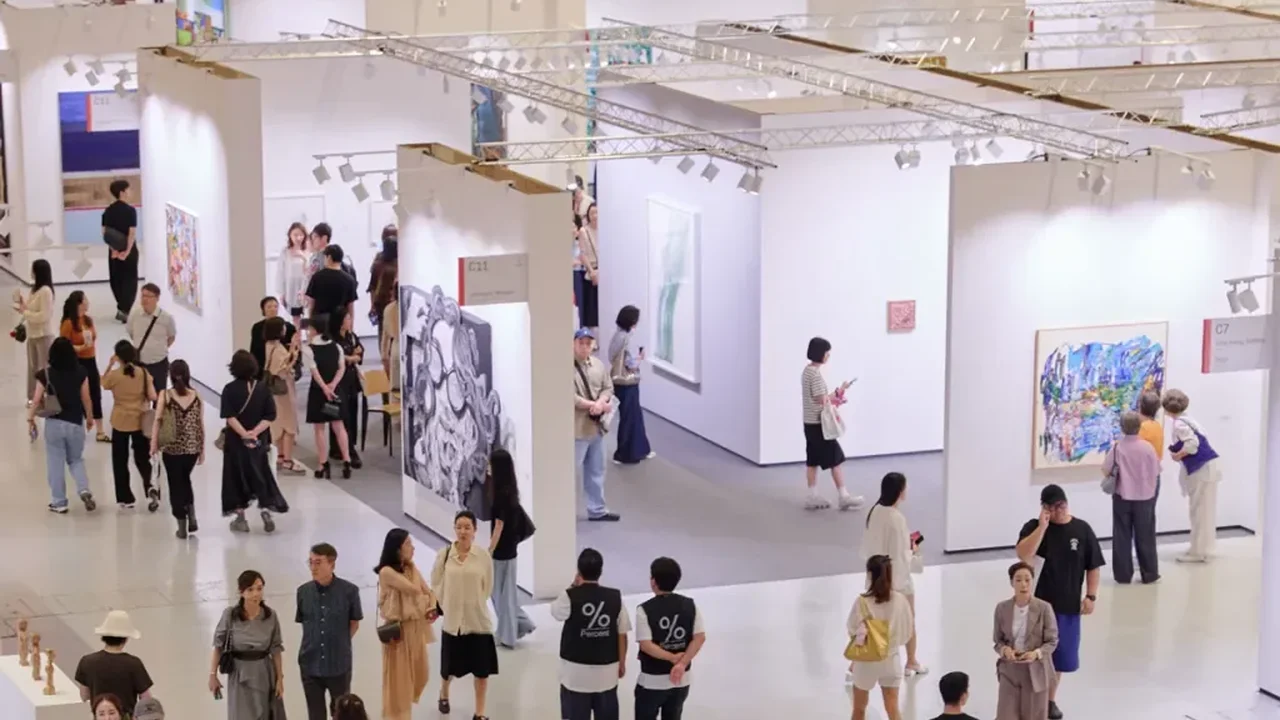
Seoul's art scene is moving beyond the rush of its boom years and into a more measured chapter. As Frieze Seoul returns for its fifth edition and KIAF celebrates its 25th anniversary, the city is showing signs of a market that is less speculative and more sustainable.
Recent data from the Art Basel and UBS Art Market Report points to a 4% rise in the global art market in 2025, while South Korea recorded 6% growth. On the ground, however, dealers describe a more selective environment shaped by higher interest rates, currency shifts, and a sharper focus on liquidity.
Gallery owners and advisers say collectors are becoming more discerning. Many are looking beyond blue-chip Western names and paying closer attention to contemporary Asian artists, emerging voices, and works they can evaluate directly in the local market. At the same time, the market appears divided: established buyers continue to pursue high-value works, while younger collectors are often starting with more accessible pieces and building collections over time.
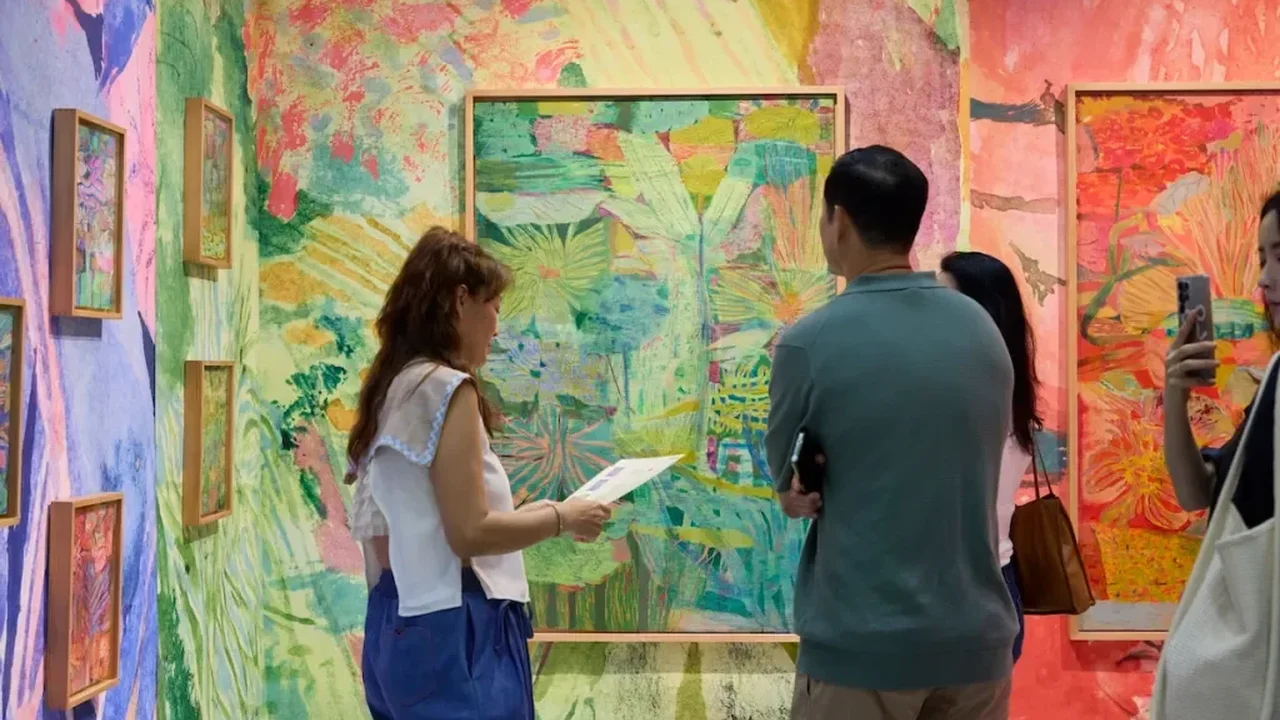
The fair landscape is also evolving. Frieze Seoul is becoming more regionally rooted, with most exhibitors based in the Asia-Pacific area. Next year, the fair will move to the Dongdaemun Design Plaza, while KIAF remains at COEX, marking a new spatial rhythm for the city's art calendar. A long-term partnership with Shinsegae Group is expected to support broader collector engagement.
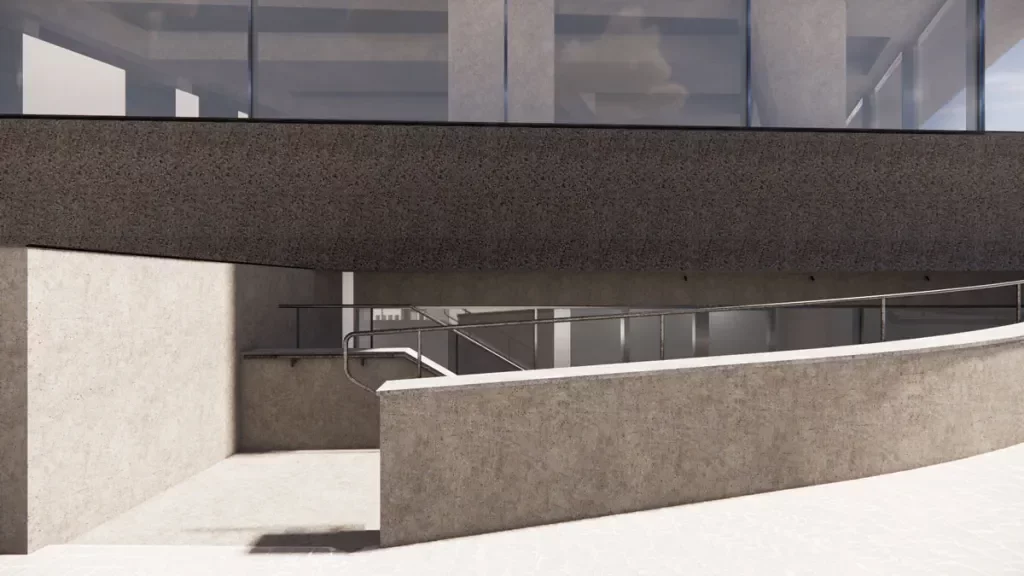
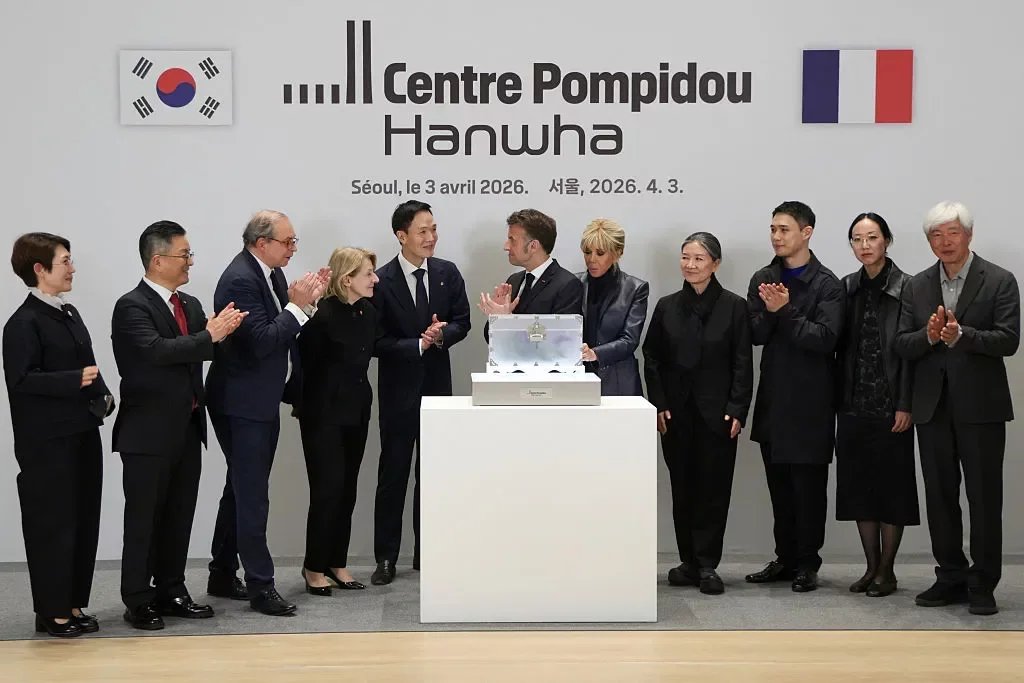
Beyond the fairs, Seoul's institutional network is expanding through new museums, international collaborations, and stronger local support for culture. From photography to contemporary art, the city is building deeper infrastructure for artists, galleries, and audiences alike. In the years ahead, this shift could help Seoul define a more resilient and globally connected art ecosystem.