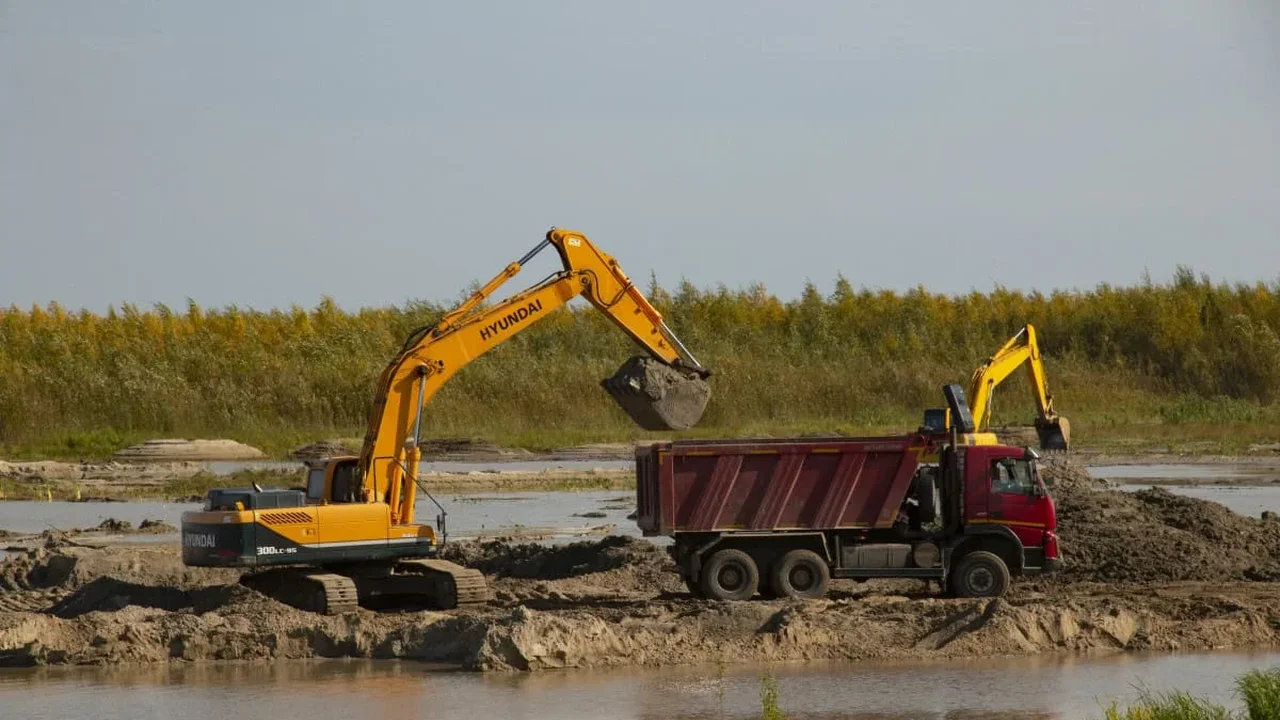
River sand may look ordinary, but it is one of the hidden materials shaping modern cities. A major review in Reviews of Geophysics, based on 411 studies over more than five decades, shows that in many places sand and gravel are being removed faster than rivers can naturally replenish them.
This imbalance can alter riverbeds, weaken banks, lower groundwater levels and push saltwater farther inland. It can also affect habitats, especially in shallow channels, sandbars and gravel beds that support fish and aquatic life. Because sand and gravel make up more than 70% of concrete by volume, demand from construction continues to keep pressure on river systems worldwide.
Why River Sand Matters
River sand is especially valued because its grain shape works well in concrete and it does not contain sea salt. That makes it useful for buildings, bridges, airports, dams and highways. At the same time, global extraction of sand and gravel is estimated at about 50 billion metric tons a year, and demand for construction materials is expected to keep rising as cities expand.
The review describes river sediment as a kind of natural budget: rivers carry material downstream, and sustainable extraction depends on taking only what the system can replace. When that balance is exceeded, water can become more erosive, a process scientists often call hungry water, which can deepen or widen channels and reshape landscapes far beyond the mining site.
Smarter Management, Better Materials
Researchers say the path forward is not simply to stop mining, but to manage it more precisely. That means building local sediment budgets, updating them regularly, and identifying Sustainable Mining Zones where controlled extraction may cause less disruption. Satellites, drones and sonar could help monitor these areas as river conditions change.
The study also points to alternatives such as manufactured sand made by crushing rock, which is already used in some regions. It notes that rivers can recover when pressure is reduced: in northeast Bangladesh's Lubha River, pits created by gravel mining were largely refilled within three years after a 2021 ban, showing that restoration is possible when conditions allow.
As cities keep growing, the future of construction may depend on treating river sand as a carefully managed resource rather than an endless supply. That shift could help shape more resilient rivers and more sustainable urban development.