This week, the FDA made a significant advancement by approving bemotrizinol as a new active ingredient for sunscreens in the U.S., marking the first addition in over 20 years. While this ingredient has been utilized in Europe and Asia for decades, its introduction to the American market is set to change the sunscreen landscape.
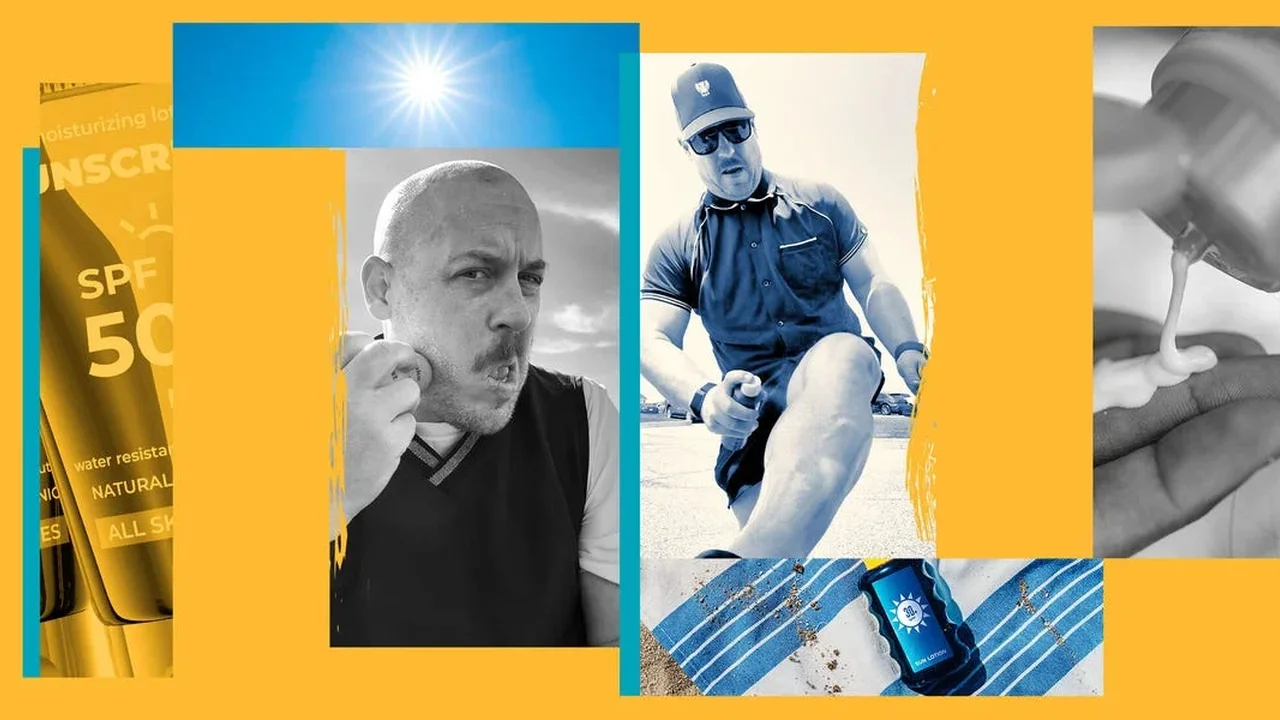
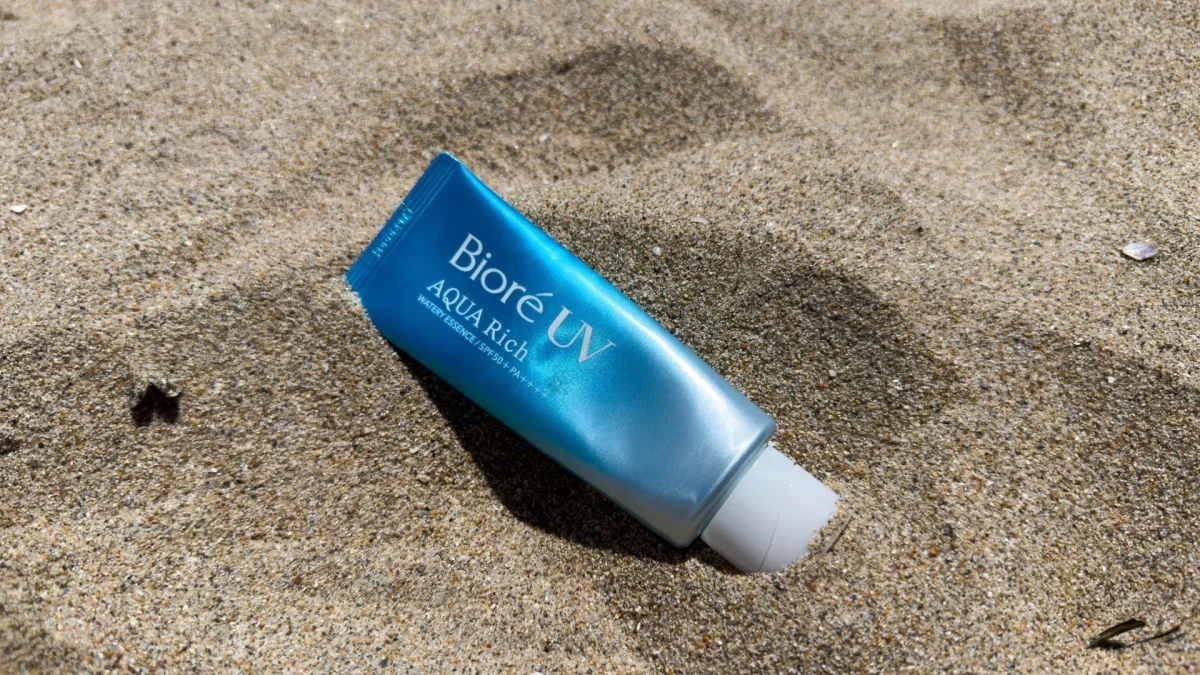
Having experienced the Japanese formulation of Bioré UV Aqua Rich Watery Essence, I can attest to its unique qualities. This sunscreen is lauded in skincare circles for its lightweight, non-greasy texture, providing effective protection against both UVA and UVB rays without leaving a white residue. Previously, it was challenging to obtain in the U.S., but the recent FDA approval opens doors for broader accessibility.
As manufacturers prepare to incorporate bemotrizinol, the anticipation for enhanced American sunscreens grows. CBS News reports that a new product named Parsol Shield, created by DSM Nutritional Products, will debut later this year, with additional manufacturers expected to follow suit within 18 months.
Understanding Bemotrizinol in Sunscreens
Bemotrizinol stands out for its compatibility with other sunscreen ingredients, allowing for the creation of lighter and more pleasant formulations. This characteristic is a key reason behind the popularity of the Bioré product I sampled. Dermatologists have noted its superior ability to offer broad-spectrum protection, addressing both UVB rays, which cause sunburn, and UVA rays, linked to skin aging.
While current U.S. formulations often utilize mineral components like zinc oxide, which can leave a noticeable white cast, bemotrizinol offers a chemical solution that avoids this issue. Its effectiveness and photostability make it a promising addition to the sunscreen market.
Moreover, bemotrizinol is recognized as one of the safest sunscreen ingredients available. Although all sunscreens are generally safer than forgoing protection altogether, ongoing evaluations of chemical ingredients are essential. With its approval, bemotrizinol joins zinc oxide and titanium dioxide as generally recognized as safe and effective (GRASE) options.
For those exploring ingredient lists on international products, bemotrizinol is also known as Tinosorb S or bis-ethylhexyloxyphenol methoxyphenyl triazine.
The Journey to Approval
The delay in bemotrizinol's U.S. approval can be attributed to the stringent regulations governing sunscreens, classified as drugs rather than cosmetics. The CARES Act of 2020 facilitated the expedited approval process for over-the-counter drugs, allowing bemotrizinol to meet safety and efficacy standards established through its long-standing use in other countries.
As bemotrizinol enters the U.S. market, it heralds a new era for sunscreen formulations, potentially transforming how consumers protect their skin from harmful UV rays.