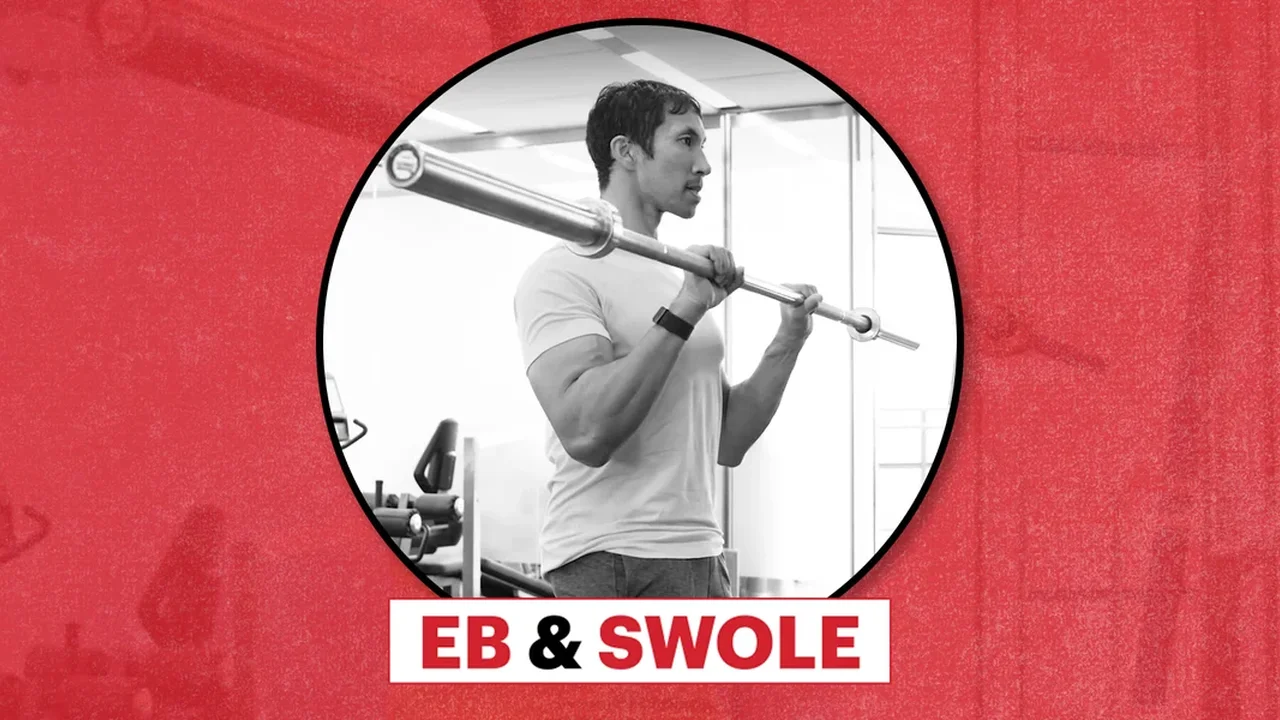
Reverse curls are gaining attention as a practical way to build forearm strength while supporting a more balanced upper-body routine. Fitness director Ebenezer Samuel, C.S.C.S. highlights the move as a smart addition for lifters who want more than the usual biceps-focused work.
How the movement works
Start with your feet about shoulder-width apart and hold a barbell, dumbbells, or an EZ curl bar with an overhand grip. Keep your core tight, shoulders set, and elbows close to your sides. From there, curl the weight upward by bending only at the elbows, pause briefly at the top, then lower it with control.
The key is to avoid momentum. Your wrists should stay steady, your elbows should not drift forward, and the weight should move in a clean, controlled path. That approach keeps tension on the forearms throughout the set.
Why it stands out
Compared with standard curls, the reverse curl places more demand on the grip and shifts greater focus to the brachioradialis, the muscle running along the front of the forearm. It also engages the biceps and brachialis, making it a compact but efficient arm exercise.
Because the palms face down, the exercise naturally challenges grip endurance. That can translate into better control in other pulling movements and a stronger overall training base.
How to program it
The reverse curl does not need heavy loading to be effective. A lighter weight, roughly half of what you might use for standard curls, is a solid starting point. Three sets of eight to 12 reps can fit well near the end of an arm or upper-body session.
For many athletes and fitness enthusiasts, it offers a simple way to add detail, strength, and symmetry to arm training. As more routines shift toward functional performance, movements like the reverse curl may become a lasting part of smarter strength programs.