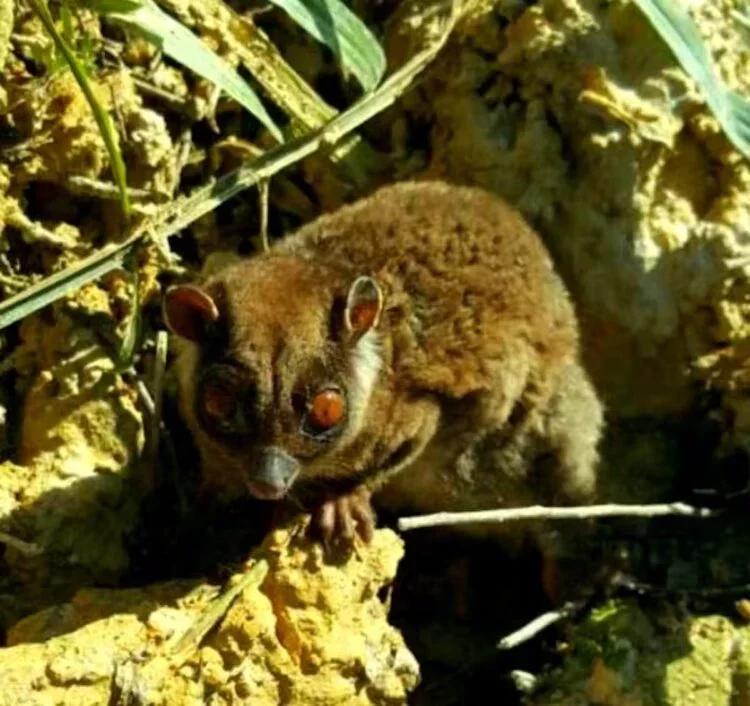
In an extraordinary revelation, researchers have confirmed the existence of two marsupial species previously believed to have vanished from the earth over 6,000 years ago. These remarkable animals were found thriving in the lush rainforests of western New Guinea.
Both species, identified from fossilized remains on the Vogelkop Peninsula in what is now Indonesian Papua, highlight the rich yet underexplored biodiversity of this region, which faces increasing threats from logging and agricultural activities.
Professor Tim Flannery, co-author of the studies, expressed his amazement: "The discovery of a single Lazarus taxon is noteworthy, but uncovering two species thought extinct for millennia is truly exceptional." A Lazarus species refers to an organism that is rediscovered after being presumed extinct, named after the biblical figure who was raised from the dead.
Meet the Lazarus Marsupials
The first species, the pygmy long-fingered possum, Dactylonax kambuayai, was rediscovered through meticulous research linking Holocene remains to modern specimens misidentified for years. This tiny possum, distinguished by its unusually long fingers, has adapted to extract insect larvae from within tree bark. Researchers assert that this marsupial is not merely a local variant but a unique species endemic to the Vogelkop lowland forests.
The second species, Tous ayamaruensis, had a different path to rediscovery. Initially described from early Holocene fossils, it was presumed extinct until a photograph taken in 2015 revealed its existence. Featuring a gliding membrane and a prehensile tail, this marsupial proved to be a distinct genus, expanding our understanding of marsupial diversity in New Guinea.
Collaboration with Indigenous Knowledge
The discoveries were not solely the result of scientific expeditions; they were also informed by the invaluable knowledge of local Indigenous communities. Elders from the Maybrat and Tambrauw regions recognized the glider and provided insights into its habitat and behavior, emphasizing the importance of collaboration between researchers and traditional landowners.
Despite this promising rediscovery, both species face significant threats. Logging and habitat destruction in Indonesian Papua may jeopardize their survival, as they inhabit the tallest trees targeted for timber extraction. The pygmy long-fingered possum, in particular, is one of New Guinea's most geographically restricted mammals, raising concerns about its future.
The findings were published in the Records of the Australian Museum, underscoring the potential for further biological discoveries in regions that remain inadequately surveyed.
These remarkable rediscoveries not only enrich our understanding of biodiversity but also highlight the critical importance of conservation efforts to protect these unique species and their habitats for future generations.