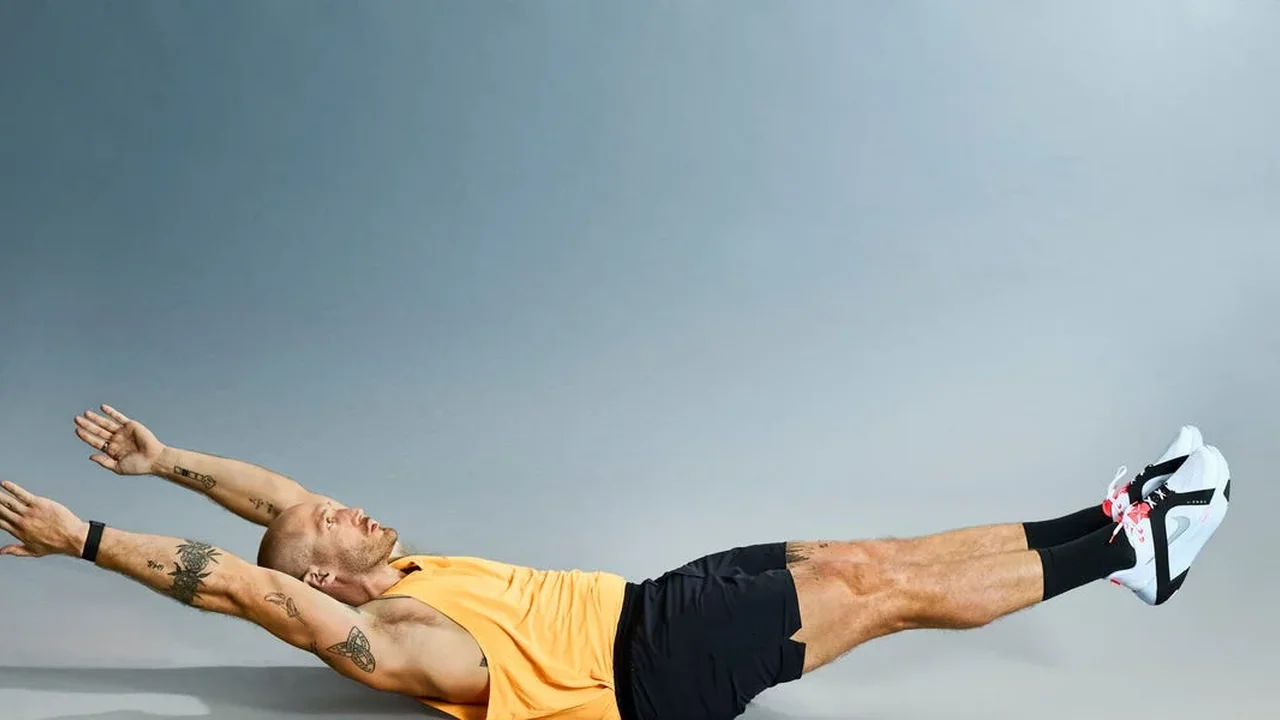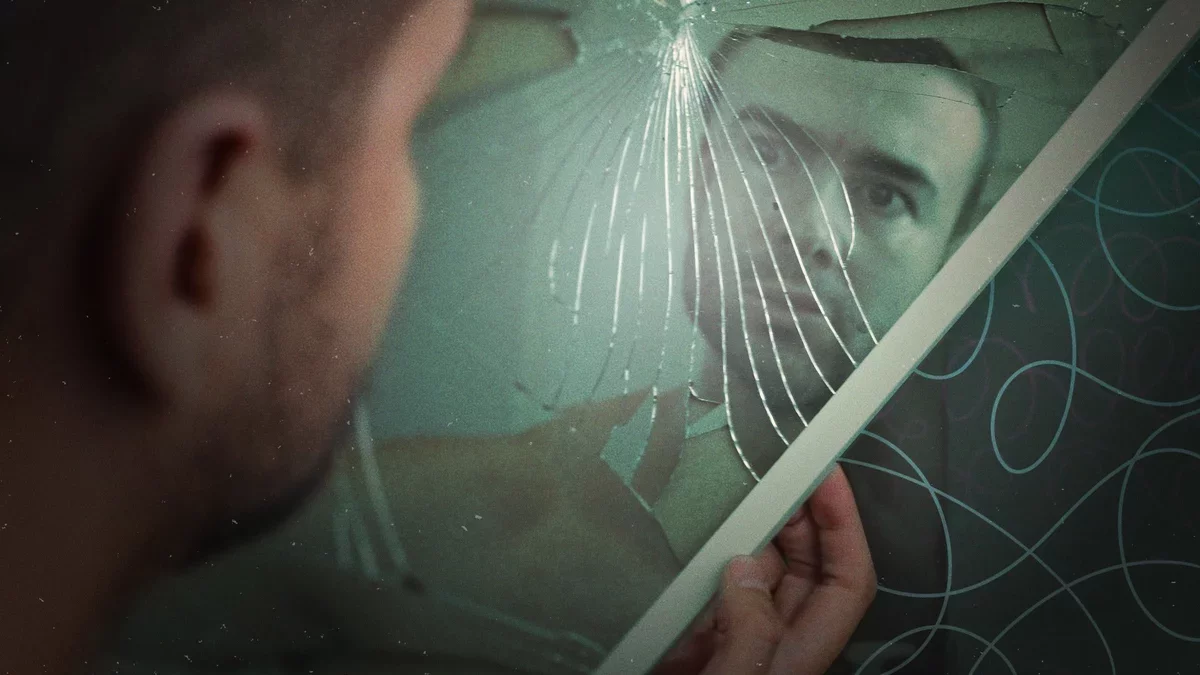
In a recent inquiry about why individuals share their workout routines online, I received numerous responses, many of which revealed deep-seated concerns regarding body image and unrealistic beauty standards. What stood out was that a significant portion of these replies came from men.
From meticulously portioned meals to the guilt of missing a workout, social media often frames these habits in terms of strength and performance. Behaviors that might signal disordered eating in women are frequently reinterpreted as "discipline" or "optimization" for men. This raises critical questions: How many men endure their struggles in silence because eating disorders are often viewed as a women's issue? How many cases go unnoticed when they are disguised as "clean eating" or "serious training"? When these issues are recast as "fitness goals," many men find themselves grappling with hidden challenges.
Men Can Experience Eating Disorders Too
Currently, males account for about a third of those diagnosed with eating disorders, a statistic that likely underrepresents the severity of the issue. Muscle dysmorphia, sometimes referred to as "bigorexia," involves compulsive exercise, a persistent feeling of inadequacy regarding muscle mass, and an obsession with size and leanness.
Unfortunately, fitness culture often normalizes disordered behaviors by framing them as performance-related. Terms like "bulking" and "shredding" can conceal harmful eating patterns. While I refrain from diagnosing anyone, I have witnessed the mental toll when extreme caloric restrictions are rationalized as "cutting," or when compulsive workouts are viewed as "staying on track."
Social media exacerbates these damaging narratives. Mason Boudrye, who openly shares his fitness journey, discussed the psychological strain of maintaining a certain appearance. "Even if people don't recognize that strict diet adherence qualifies as disordered eating, I know it's true for me," he shared. The pervasive nature of social media amplifies these feelings.
We often scroll through feeds filled with enhanced physiques that are presented as natural and attainable, leading to increased self-scrutiny and feelings of inadequacy. Matthew Singer, a yoga instructor, notes that most "fitspo" is as useful for fitness as past lottery numbers are for winning. These inspirations fail to consider genetics, life circumstances, health history, and other factors that significantly impact health.
What's particularly concerning is that men often struggle to label disordered behaviors. There exists a misconception about who is affected by eating disorders, and many men are hesitant to seek help due to societal expectations that discourage vulnerability. The masculine ideal often equates vulnerability with weakness, making it difficult for men to confront their issues with food and body image.
Unattainable Beauty Standards Persist
While procedures like Botox may be casually termed "Brotox," the reality is that unattainable beauty standards are driving men to pursue more extreme solutions. Dr. Claudia Kim reports an increase in male patients seeking aesthetic treatments such as jawline contouring and skin rejuvenation. "These methods provide noticeable yet subtle results with minimal downtime," she explains, fitting seamlessly into the lives of those who never anticipated such concerns.
Interestingly, many of Dr. Kim's male clients are entering the world of aesthetic procedures for the first time, paralleling the beauty routines women have followed for years. They are beginning to understand that appearance can influence professional success, social interactions, and romantic prospects, all while the standards keep shifting. Meanwhile, traditional masculinity demands stoic self-reliance, even as it necessitates ongoing investment in appearance.
For the average individual on a budget, the costs associated with these beauty standards--treatments, supplements, personal trainers--can be prohibitive. This creates a scenario where financial constraints dictate one's ability to conform to societal expectations, leaving many men feeling isolated in their struggles.
As a woman, I have often envied how men could age or gain weight without the same societal pressures. However, I now view this with more empathy, especially after hearing many men express their lack of language to discuss aesthetic concerns without shame.
The Bottom Line
There is a significant difference between healthy self-care and the feeling that one's body is never adequate. Why should meticulous calorie tracking be viewed as an achievement for one gender while signaling a disorder for another?
While women have long faced challenges related to body image and unrealistic beauty ideals, many men have not been equipped to tackle these issues. The takeaway is that we must unite in addressing these concerns. To combat this issue, we need open discussions about how societal pressures impact men's relationships with their bodies. Until we confront this reality, harmful behaviors will continue to remain hidden in plain sight.