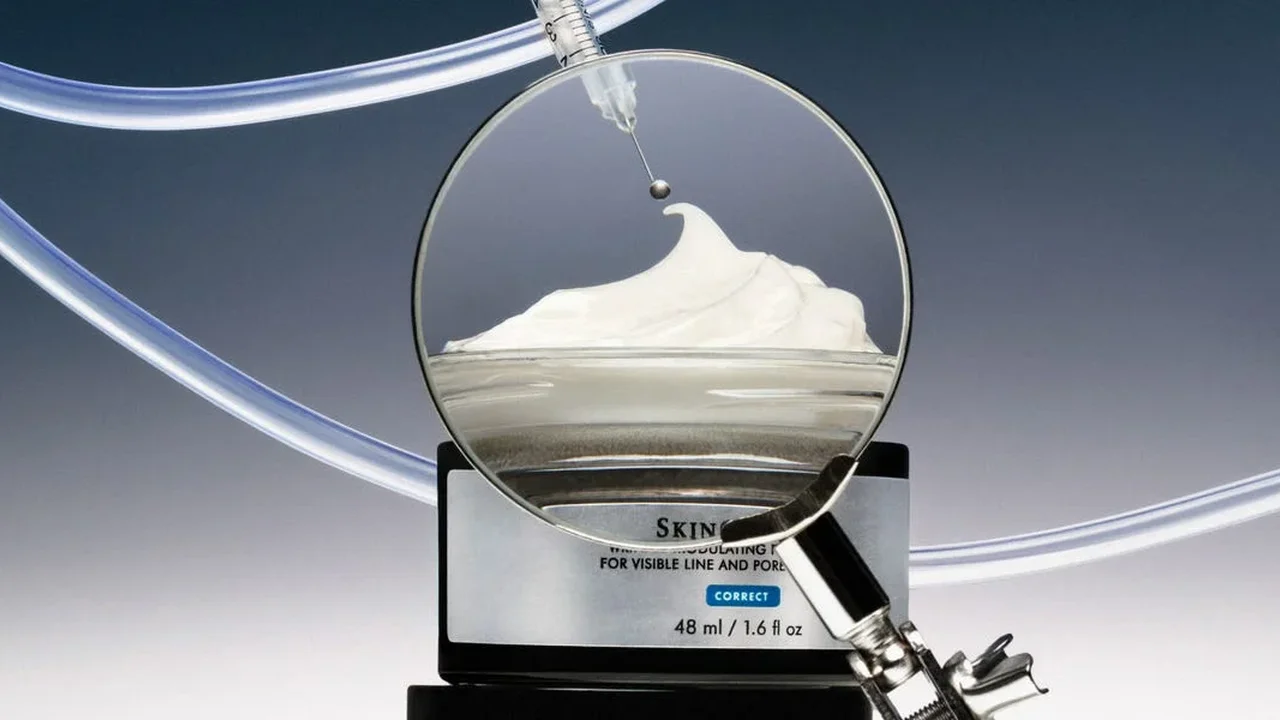
Peptides--short chains of amino acids--are increasingly appearing in topical skincare and hair products. Unlike injectable peptides, these ingredients are used in everyday grooming formulas, where research suggests some may support skin's appearance and scalp health.
How peptides work in skincare
Different peptide groups are designed to serve different roles. Signal peptides may encourage processes linked to collagen and elastin, potentially softening the look of fine lines over time. One blend, Matrixyl 3000, showed encouraging results in a small study, though findings from one study do not establish how every product will perform.
Argireline, a neurotransmitter-inhibiting peptide, is studied for its potential to reduce the appearance of expression lines. Its effects are not equivalent to Botox. Carrier peptides, including copper peptide GHK-Cu, may help deliver trace elements involved in skin repair and support healthy cellular communication.
What about hair?
Evidence for hair-care peptides is still developing. Research reviews suggest that short-chain peptides such as GHK-Cu may have potential for hair density and pattern hair loss, but they are not as well established as treatments such as minoxidil or finasteride. Consistent use may be important, and results can vary.
Overall, peptide products are often considered compatible with common skincare ingredients, including retinoids, hyaluronic acid and sunscreen. However, many formulas rely on proprietary blends, making independent research on specific products limited. Checking ingredient claims and consulting a dermatologist can help set realistic expectations.
As research improves, peptides could make personal-care formulas more targeted, while clearer evidence will help consumers distinguish promising science from marketing.