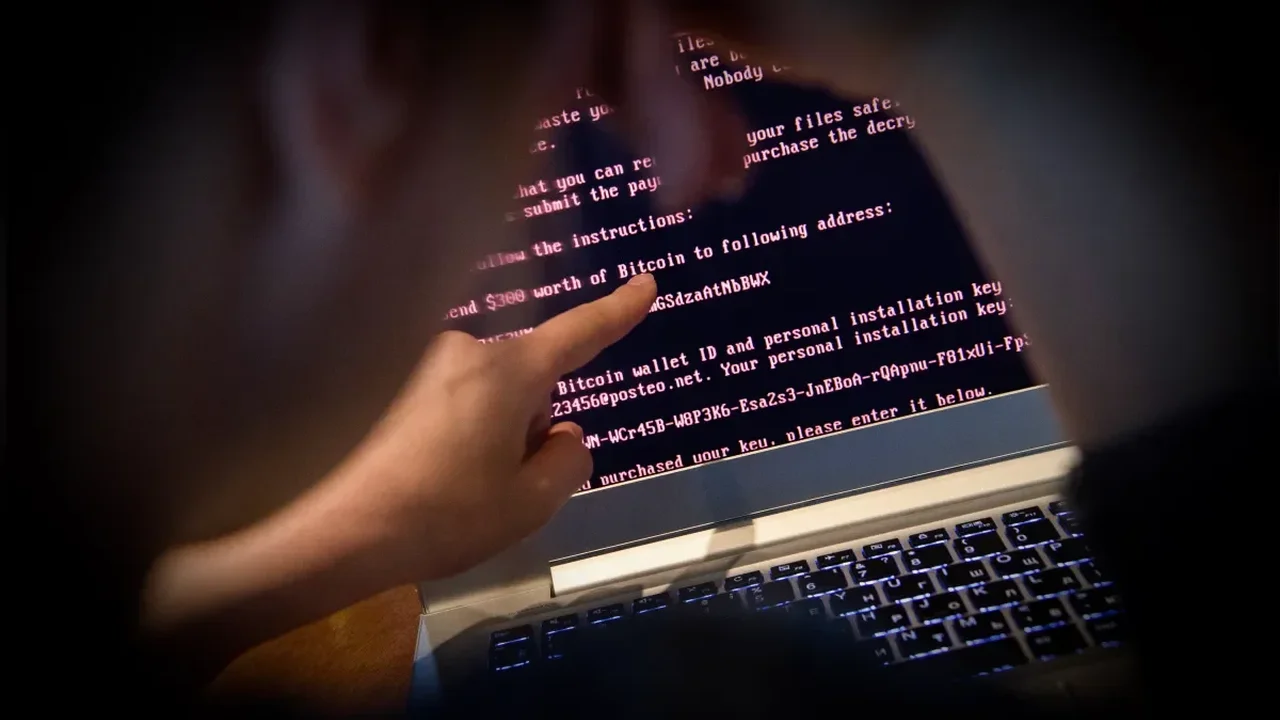
Cybersecurity research continues to reinforce a clear message: paying an extortion demand does not guarantee the end of the attack cycle. In a new report, Proofpoint surveyed 953 companies and found that more than one-third of organizations that paid a hacker's ransom later faced a second demand.
The findings reflect how ransomware has evolved. What once looked like a one-time payment model has become a broader extortion strategy, often built around stolen data, pressure tactics, and repeated attempts to extract value from the same target.
Security experts note that even when attackers promise to delete stolen files, that promise may not hold. In some cases, data can remain in criminal hands or resurface through other groups, creating a longer-term exposure for organizations.
Recent incidents have illustrated this pattern. Klue reported that hackers claimed to have removed stolen data after a deal was reached, yet later developments showed that other actors still had access to portions of that information. A similar dynamic appeared in the Change Healthcare case, where multiple criminal groups were involved and separate payments were made to reduce the risk of sensitive data being released.
Law enforcement actions against ransomware networks have also revealed that stolen data can remain stored on attacker systems even after payment. That detail has strengthened the view among defenders that extortion is rarely a closed transaction.
As cybercrime becomes more organized and data-driven, organizations are placing greater emphasis on resilience, backup planning, and rapid response. The future of digital security will likely depend less on negotiation and more on prevention, recovery, and smarter defense architecture.