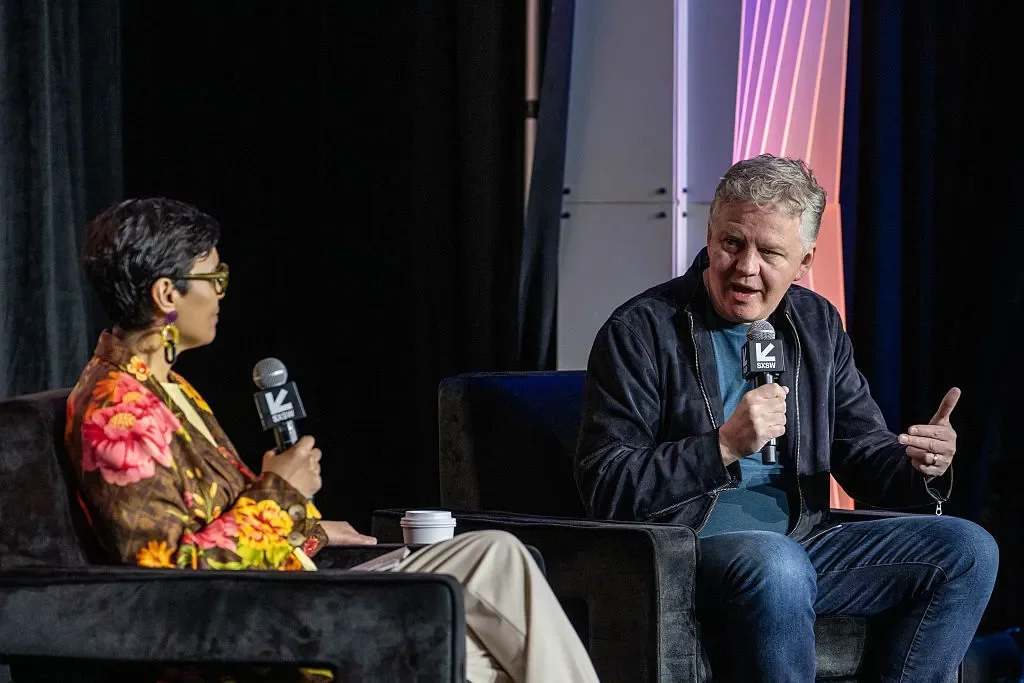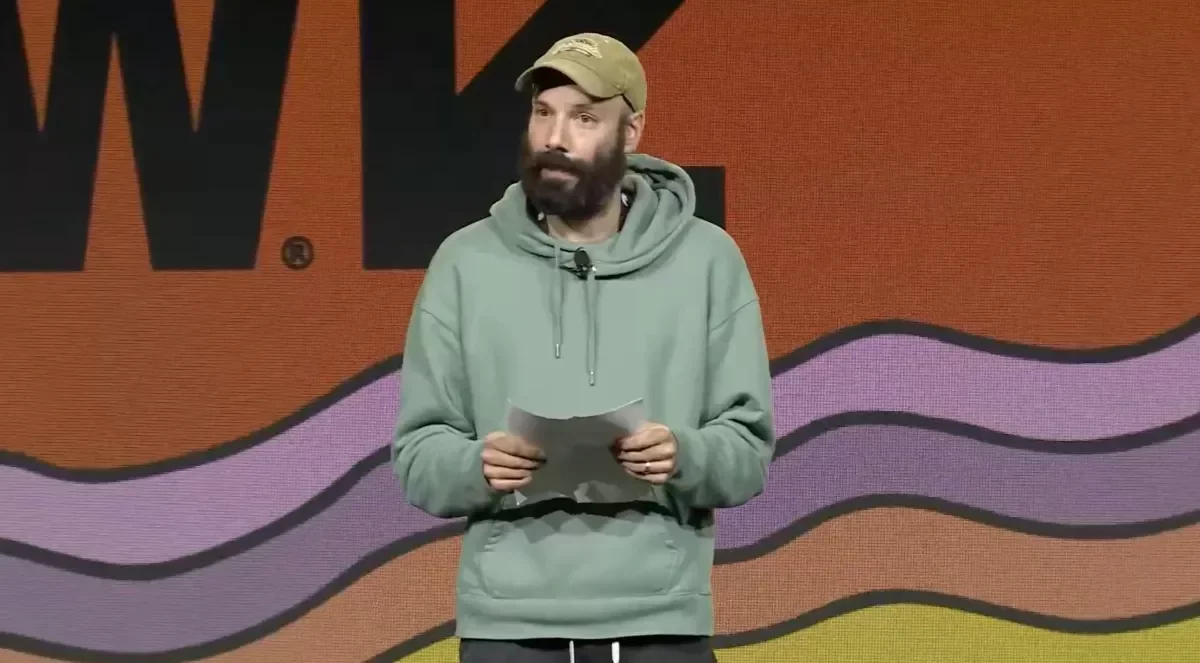
Jack Conte, the CEO of Patreon, recently shared his thoughts at the SXSW conference in Austin, emphasizing that while he embraces technology, he draws the line at how AI companies utilize creators' work. He described their argument for fair use as "bogus," asserting that creators deserve compensation when their content is used to train AI models.
During his address, Conte highlighted the ongoing cycle of disruption that creators have faced throughout the digital age, such as the shift from purchasing music on iTunes to streaming services and the adaptation to TikTok's vertical video format. He believes that AI will similarly challenge existing creative frameworks but insists that creators will ultimately adapt and thrive.
Conte reflected on his journey as an artist, stating, "Change does not mean death. You can get back up, and you can keep going." This resilience is what led him to establish Patreon, aiming to ensure that creators receive fair compensation for their work.
He expressed concern over AI companies claiming fair use while simultaneously engaging in lucrative agreements with major rights holders like Disney and Warner Music. "If it's legal to just use it, why pay?" he questioned, pointing out the inconsistency in their approach. He advocates for equitable treatment of all creators, including illustrators, musicians, and writers, who contribute to the vast wealth generated by these technologies.
Conte clarified that his stance is not anti-AI or anti-tech; rather, he acknowledges the inevitability of change and sees it as an opportunity for growth. "A part of that challenge even excites me," he remarked, reinforcing his belief that the future should include provisions for artists. He argues that societies that prioritize and incentivize creativity ultimately benefit everyone.
Concluding his talk, Conte expressed optimism about the enduring value of human creativity despite advancements in AI. "Great artists don't merely replicate what exists," he stated, emphasizing that true art pushes cultural boundaries. He believes that as technology evolves, the appreciation for human creativity will remain essential.