AI startups are entering a new phase where the main competitor is not always another startup, but the very platform they build on. As foundation models from OpenAI, Anthropic, and Google evolve rapidly, features that once felt unique can quickly become standard capabilities.
This shift is changing how founders think about product design, fundraising, and long-term value. The central question is no longer only whether a product can be built, but whether it can remain distinct after the next model update.
What the Builders Stage will explore
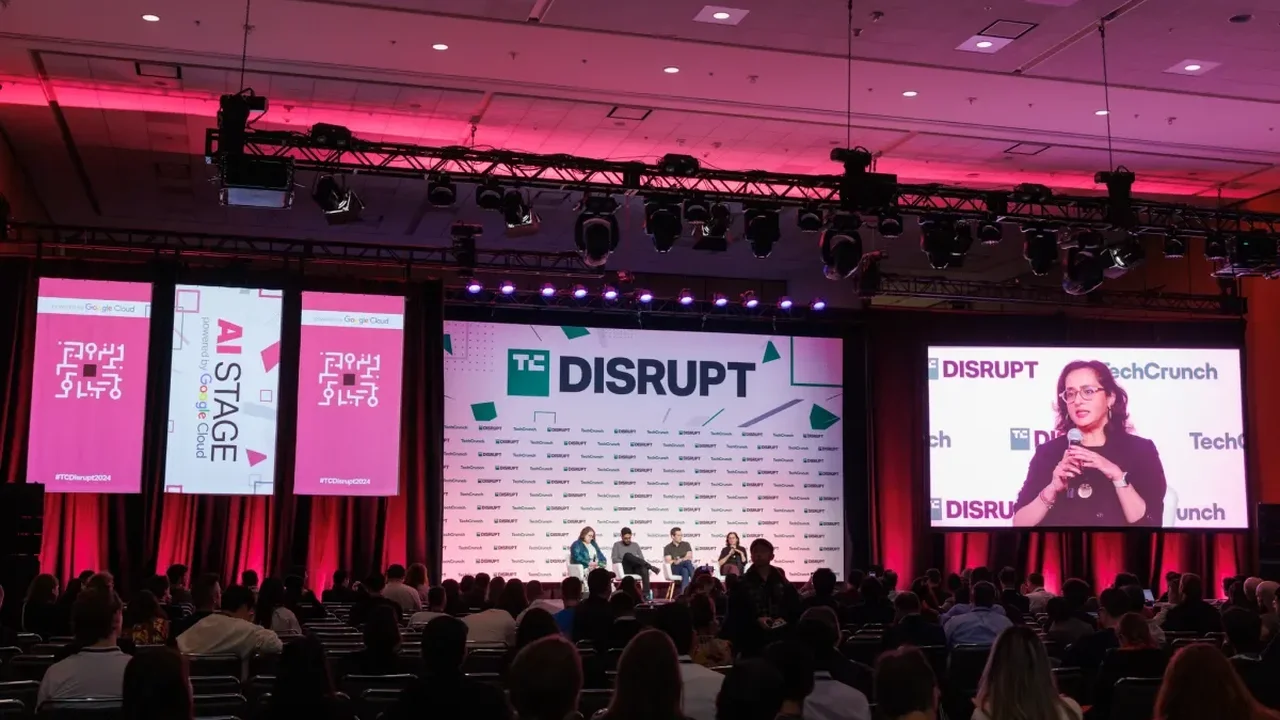
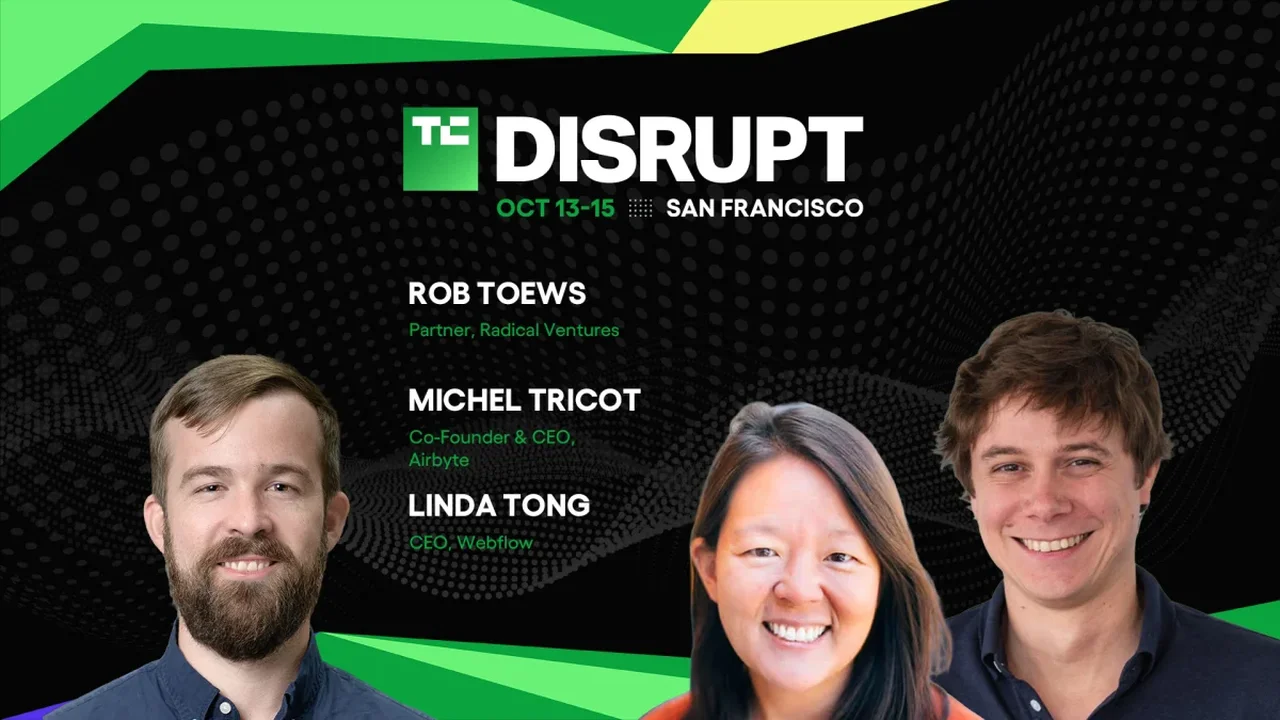
That challenge will take center stage at TechCrunch Disrupt 2026 in San Francisco, where a Builders Stage session will bring together Michel Tricot of Airbyte, Linda Tong of Webflow, and Rob Toews of Radical Ventures. The discussion will focus on how AI companies can stay relevant as platform capabilities expand.
The panel will examine where durable advantages still exist: proprietary data, embedded workflows, customer trust, and deep domain expertise. These are becoming the elements that help companies stay more than just a temporary feature inside a larger ecosystem.
Michel Tricot's experience building data infrastructure at Airbyte, Linda Tong's leadership at Webflow, and Rob Toews' investor perspective at Radical Ventures offer three angles on the same strategic question: what can founders create that major AI platforms cannot simply ship themselves?
For the broader startup world, the session reflects a wider industry shift. As model providers continue to improve, the strongest companies may be those that combine technical capability with real-world usefulness, strong user relationships, and clear product identity.
In that sense, Disrupt 2026 is set to highlight a defining idea for the next wave of AI builders: lasting value will come from what technology enables, not just what it can generate. That mindset could shape the future of AI companies as they move from novelty to enduring infrastructure.