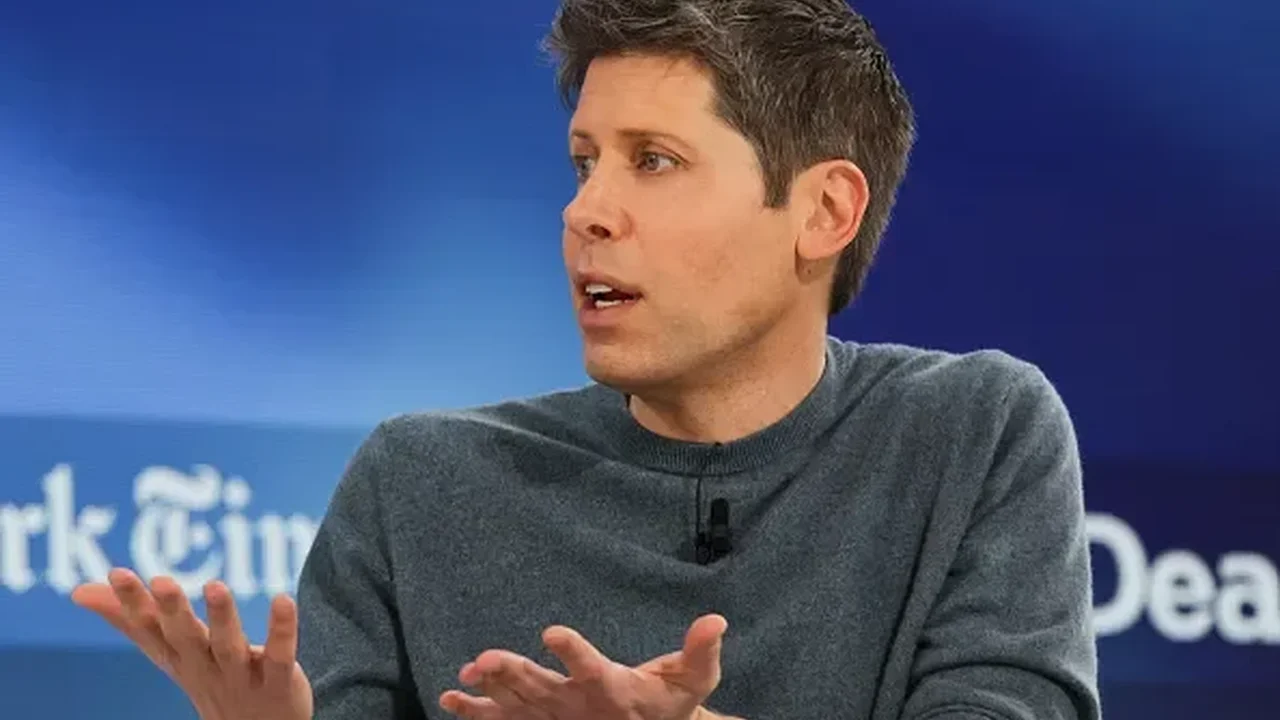
OpenAI chief scientist Jakub Pachocki has proposed using perplexity as a common way to track advances in artificial intelligence and help establish shared development limits.
Perplexity measures how well an AI model predicts the next token in a sequence. Lower values indicate more accurate predictions. Pachocki argues that this measure may remain useful as capability-focused benchmarks become outdated with rapid progress.
In his account, OpenAI's GPT-4 reached a perplexity level of about 0.91, alongside effective use of chain-of-thought reasoning. At levels below 0.8, he says, models have shown emerging capabilities in areas such as mathematics and cybersecurity.
The proposal suggests AI companies could use a shared perplexity benchmark to agree on thresholds for development, with further progress tied to concrete advances in understanding and monitoring model behavior. If adopted, such a measure could help turn discussions about AI development limits into a more consistent, measurable framework.