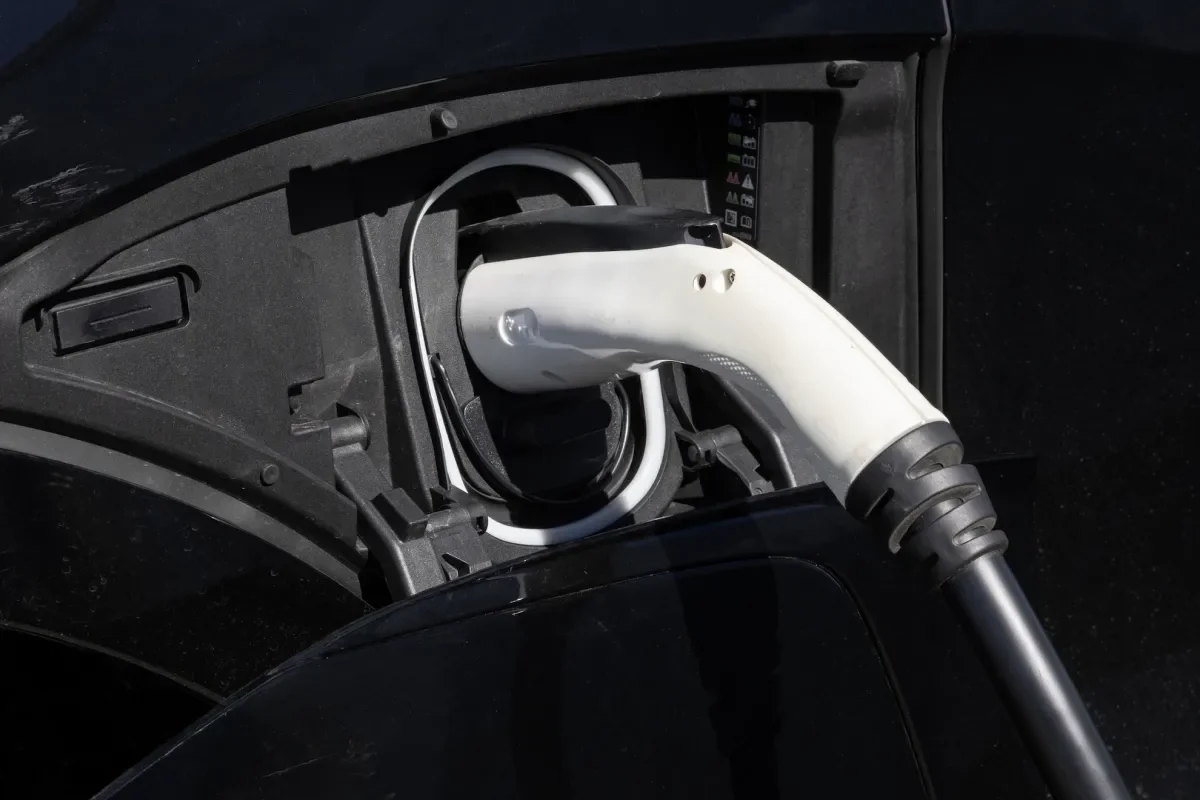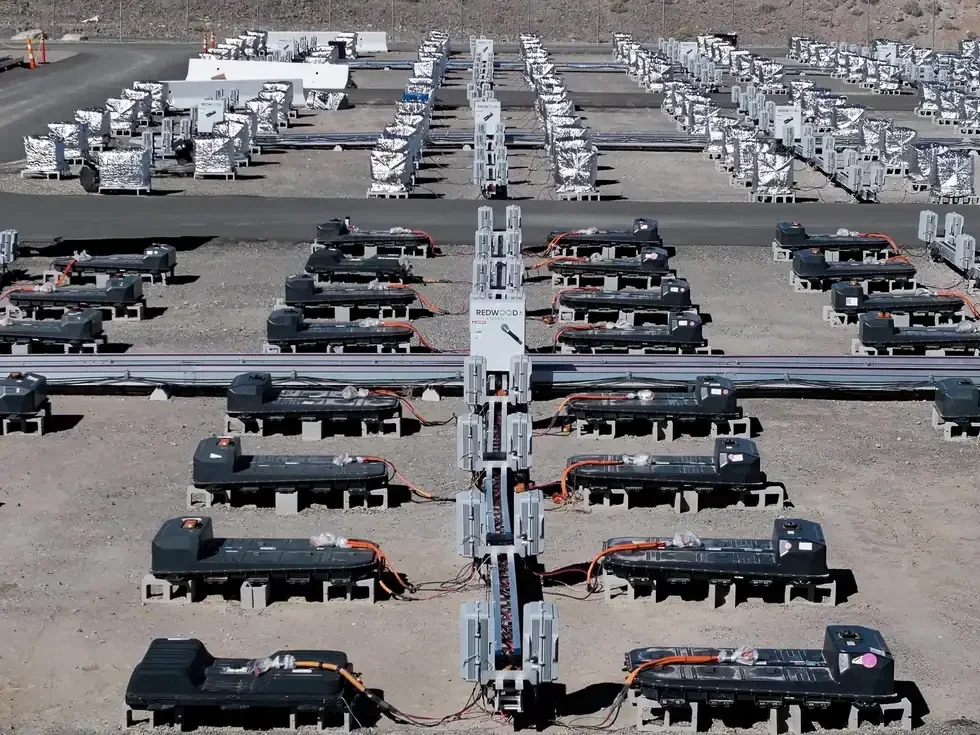
Electric vehicle batteries that no longer meet road-use demands are increasingly being redirected into grid storage, giving them a productive second phase of life. Instead of moving straight to recycling, these packs can store solar energy during the day and release it when electricity demand rises.
The timing is significant. As global EV adoption expands, more battery packs will eventually retire from vehicles, while power systems need flexible storage to support wind and solar generation. In the United States, utility-scale battery storage is also scaling quickly, with developers planning major additions in the coming years.
A growing second-life market
Recent projects show the idea moving from concept to deployment. Companies are repurposing batteries from autonomous vehicles, building storage systems for manufacturing sites, and opening large facilities dedicated to battery reuse. These efforts point to a market that is becoming more practical and more visible.
The appeal is both environmental and economic. Reuse can extend the useful life of a battery before recycling, reducing demand for new raw materials and helping lower the cost of backup power. Researchers and policy experts also note that second-life systems can support cleaner energy use by making storage more accessible.
Why battery history matters
Not every used battery is equally suited for a second act. Performance depends on how it was used in the vehicle, including charging habits, temperature exposure and overall wear. That is why companies test remaining capacity, internal resistance and cell consistency before repurposing a pack.
Software is equally important. Battery management systems track critical data, but access to that information is often limited. Better data sharing could make reuse faster, safer and more efficient.
Cost remains a key factor as well. New battery prices continue to fall, so second-life systems must compete after testing, transport and integration are added. Even so, batteries with strong remaining capacity, especially some LFP models, may be especially well suited for reuse.
As battery fleets age, second-life storage could become a meaningful part of the clean energy landscape, helping turn yesterday's EV power into tomorrow's grid flexibility.