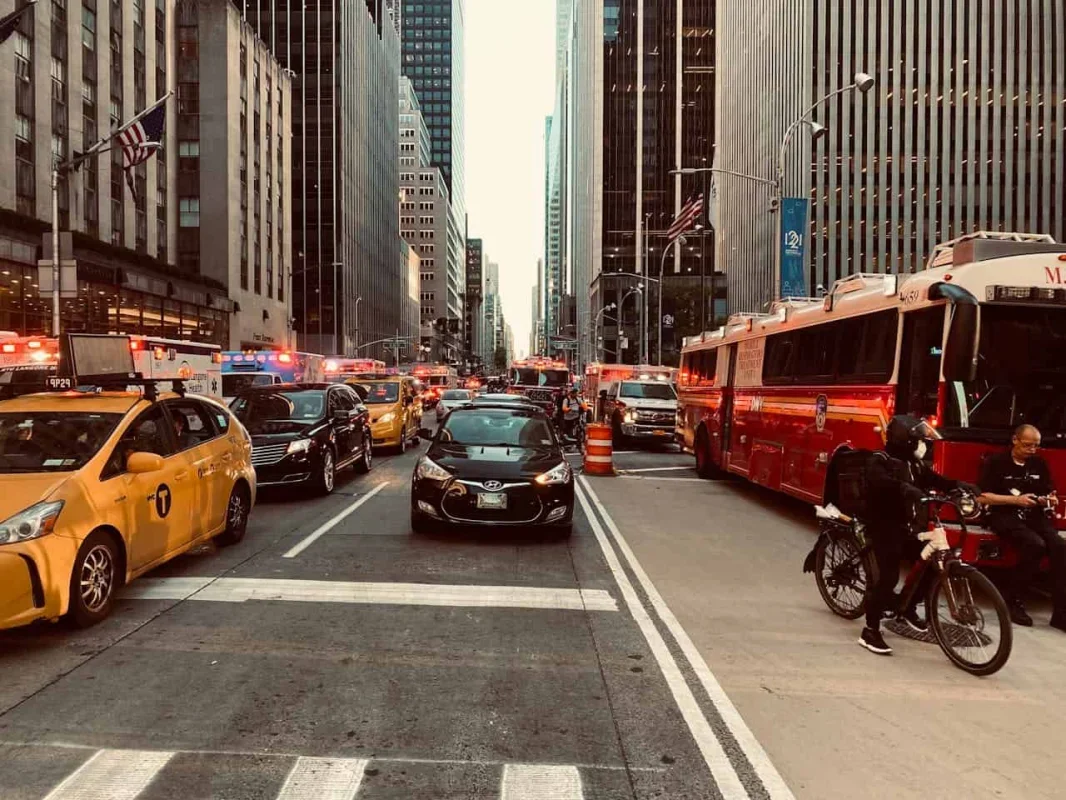
New York City is embracing cutting-edge technology by installing a new series of traffic sensors on its streets. These innovative devices utilize machine vision to monitor and count pedestrians, cyclists, buses, trucks, and cars in real time. The data collected includes movement patterns, speeds, turns, and potential conflict points, with video footage discarded immediately to ensure privacy.
The primary objective of this initiative is to provide urban planners with comprehensive insights into traffic behaviors, allowing them to identify areas where street design may be inadequate. This could lead to the implementation of safer crossings, enhanced bike lanes, and improved public transit routes where necessary.
Expansion of the Sensor Program
This rollout is an extension of a pilot program conducted by the NYC Department of Transportation (DOT) in 2023, which tested sensors at 20 locations. The city plans to expand this network to approximately 100 sites, offering a continuous view of how New Yorkers navigate their streets and highlighting areas that require design improvements.
These sensors, provided by the technology company Viva, are installed on existing street infrastructure and function similarly to traditional traffic counters. They can capture vital information about pedestrian and vehicle movements, including speeds and crossing habits, even in locations where accidents have not been reported.
According to NYC DOT Commissioner Mike Flynn, "Safer street design starts with understanding what is actually happening on the street. These high-tech sensors will help us evaluate how people are walking, biking, and driving so we can design safer streets and encourage safer behavior."
Historically, data collection relied on human observers, which often overlooked critical patterns such as late-night speeding or near-misses. The new sensors are designed to provide a more detailed and accurate dataset, making the planning process more effective.
Balancing Safety and Privacy
While the initiative aims to boost street safety, it also raises questions about surveillance. Officials assure that the technology processes data in real time, discarding identifiable footage and retaining only anonymized information. The system ensures that faces and license plates are obscured before any human review.
Transit advocate Jon Orcutt emphasizes the need for transparency, advocating for regular reporting on the data collected. He notes that with over 6,000 miles of streets in New York, the current data collection points are insufficient for comprehensive analysis.
The expansion of this sensor program is projected to cost around $200,000, supplemented by grants. The success of the initiative will ultimately depend on how effectively the city translates this data into actionable improvements, paving the way for safer crossings, better bike routes, and a reduction in traffic incidents.
As cities increasingly adopt smart technologies, this initiative could serve as a model for urban planning, prioritizing safety and efficiency in transportation systems, ultimately shaping the future of urban mobility.