A new resource from the National Coalition Against Censorship is offering artists practical guidance as debates over creative freedom continue across museums and universities. Titled The Artist's Guide to Defending Artistic Freedom, the publication outlines how creators can respond when exhibitions are canceled, works are requested to be altered, or contracts become a point of pressure.
The guide defines censorship broadly, including cases where institutions withdraw invitations or suppress work because of its message, public reaction, or socio-political perspective. It also encourages artists to recognize when curatorial decisions may be shaped by concerns beyond artistic merit.
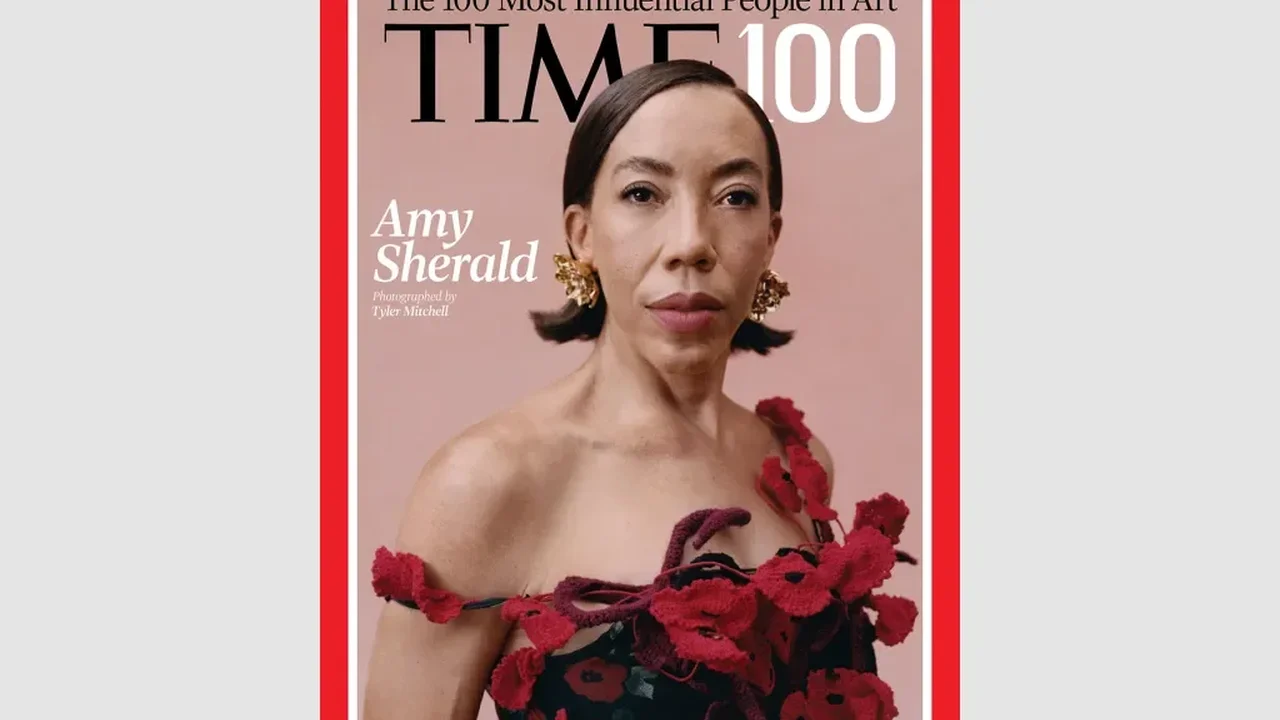
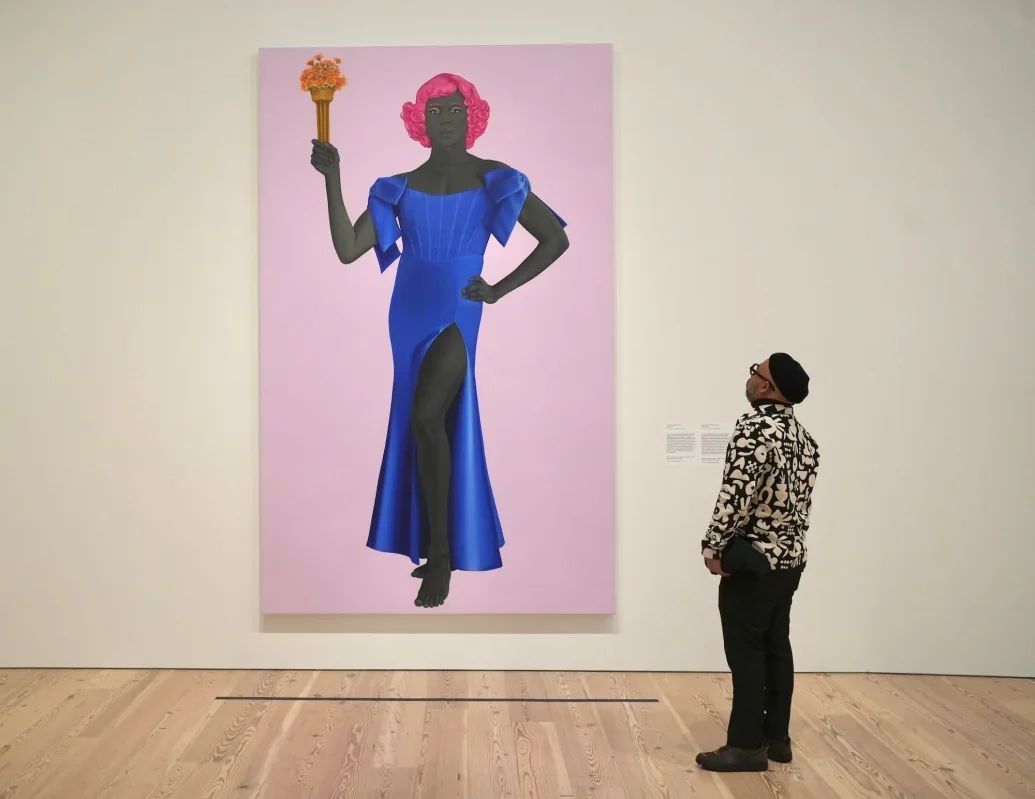
Recent high-profile cases have made the topic especially relevant. Artist Amy Sherald canceled her Smithsonian National Portrait Gallery retrospective after concerns over changes to a work featuring a Black transgender woman as the Statue of Liberty. Nicholas Galanin and Margarita Cabrera also stepped away from a Smithsonian American Art Museum symposium over disagreements about how the event was handled.
The guide advises artists to speak clearly about the value of their work, while reminding institutions that sidelining curatorial independence can affect public trust. It also highlights the idea often described as the Streisand Effect: attempts to suppress attention can sometimes amplify it.
Alongside the guide, the NCAC continues to expand its Art Censorship Index, a digital tool that documents reported cases and supports free expression across cultural spaces. The initiative reflects a broader effort to help artists and institutions navigate a changing creative landscape with clarity and confidence. In the future, such tools may help shape more open and resilient cultural institutions.