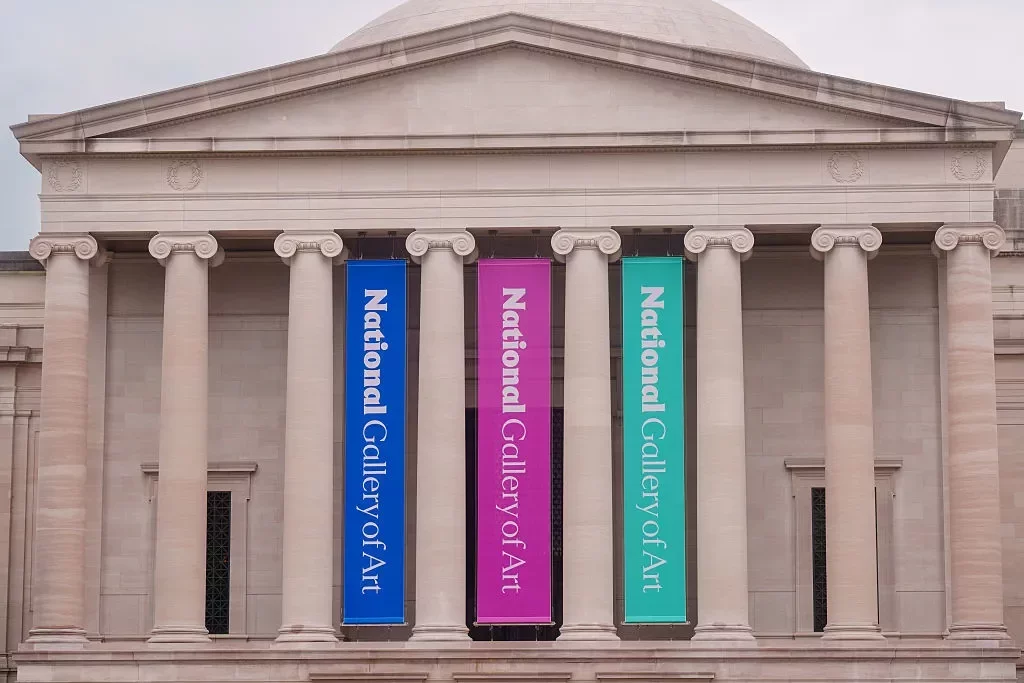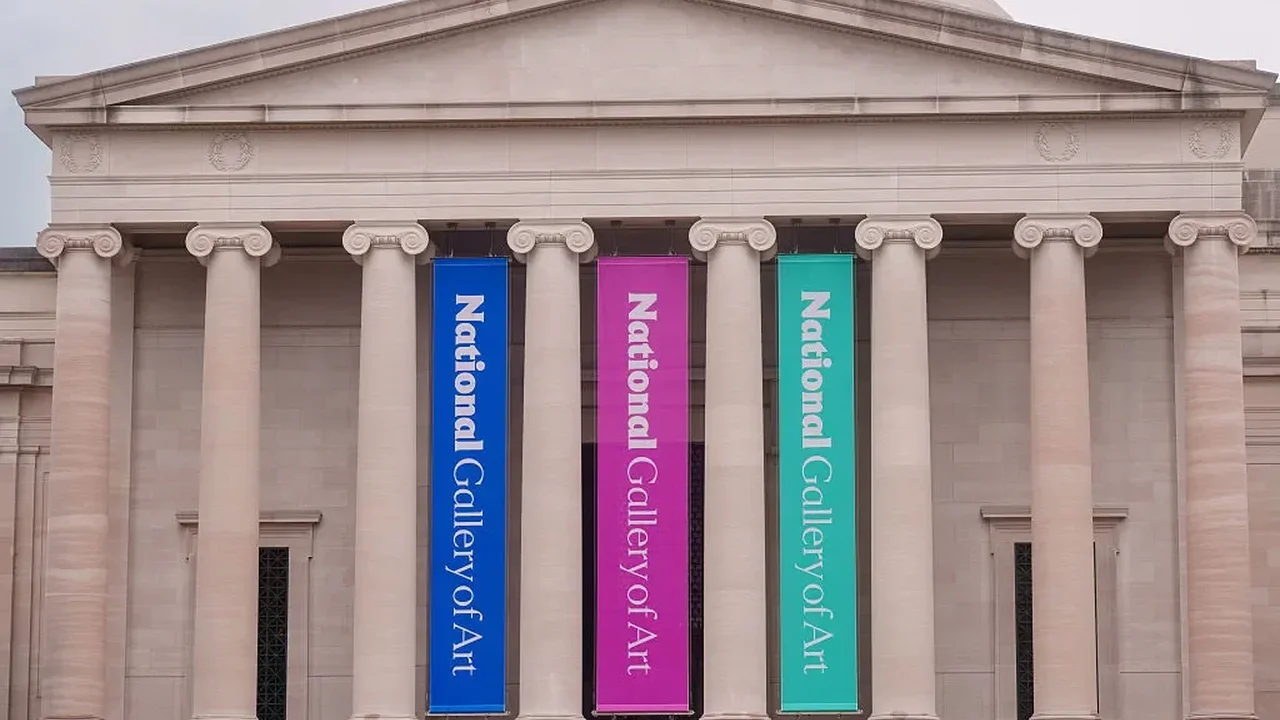
The National Gallery of Art in Washington, D.C. is facing renewed attention after a former senior executive described the relocation of a planned symposium as a case of "soft censorship." The event, originally tied to the museum's recent exhibition on race in American and Mexican art, was moved from the gallery to Dumbarton Oaks and scaled back without a public explanation.
Steven Nelson, former dean of the Center for Advanced Study in the Visual Arts (CASVA), said the symposium, "Color Lines Across the United States and Mexico," was first set for May 2025 at the museum's Washington campus. According to his account, the virtual attendance option was later dropped, the program disappeared from the museum website, and the gathering was shifted to a smaller venue affiliated with Harvard University.
Nelson linked the decision to a meeting between museum leadership and representatives of Elon Musk's DOGE, arguing that the institution appeared to be responding to political pressure around cultural programming. He said the symposium was designed to deepen discussion of Elizabeth Catlett's work and broader histories of race in American and Latin American art.
He also noted that the event was reduced from a 400-seat auditorium to an 80-seat room and limited to in-person attendance only. In his essay published in October, Nelson suggested that the move reflected a wider pattern of caution among cultural institutions navigating federal scrutiny and shifting public expectations.
The National Gallery has not publicly commented on the matter. The episode arrives as museums across the United States continue to balance curatorial independence, public access, and institutional responsibility. In the years ahead, such decisions may help define how cultural spaces protect open dialogue while adapting to changing civic pressures.