Microsoft is currently evaluating the possibility of postponing or scaling back its ambitious clean energy initiatives as the rapid expansion of AI data centers challenges its ability to meet these objectives. Although no official statements have been released, internal discussions are reportedly underway regarding the company's commitment to matching 100% of its hourly energy consumption with clean power by 2030.
The integration of AI data centers has sparked a debate within Microsoft, questioning whether this commitment may hinder its broader ambitions. The company aims for a rigorous hourly clean energy matching, which is more demanding than annual targets. Such hourly benchmarks encourage the development of renewable energy sources that align more closely with actual consumption patterns.
While annual targets provide a more lenient framework--allowing companies to purchase renewable energy credits that may not directly correspond to their usage--hourly targets are designed to foster a genuine transition to a net-zero energy ecosystem.
Major tech players, including Microsoft, Meta, Google, and Apple, have generally taken the lead in emissions reduction, setting aggressive net-zero targets. Microsoft has previously announced achieving its annual carbon neutrality goal last year. However, with the increasing demand for data centers, there is a growing reliance on natural gas. Recently, Microsoft disclosed plans to collaborate with Chevron and Engine No. 1 to construct a substantial natural gas power plant in West Texas, which could generate up to 5 gigawatts of energy.
Despite these developments, Microsoft remains a frontrunner in the tech industry's pursuit of net-zero emissions, aiming to remove more carbon from the atmosphere than its operations emit by 2030. An internal carbon tax has been part of the company's strategy to drive its renewable energy initiatives. However, the spokesperson did not address inquiries regarding the status of this carbon tax, which may influence the internal discussions about the hourly matching goal.
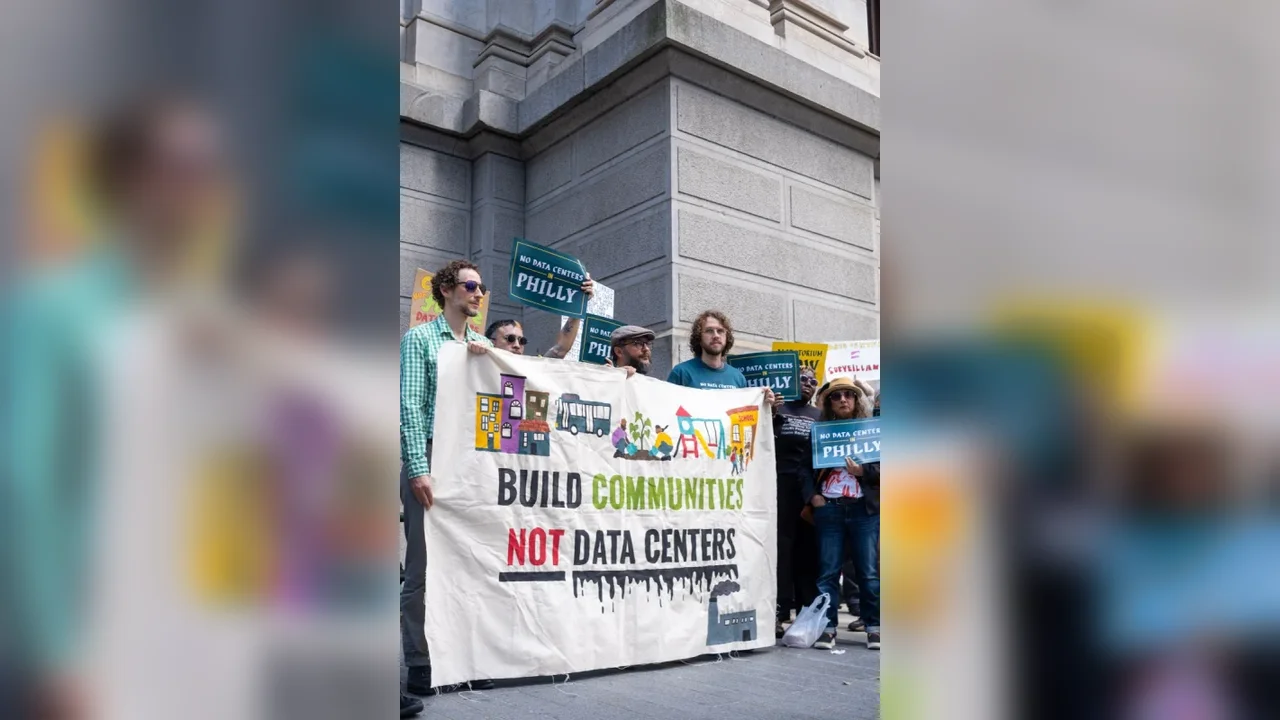
Abandoning the hourly matching target could diminish Microsoft's credibility in promoting its data centers as environmentally responsible. As public scrutiny of data centers increases--focused on issues like pollution, energy costs, and water usage--Microsoft's commitment to clean energy becomes essential in addressing these concerns. By actively providing clean energy for its data centers, Microsoft can effectively mitigate two major public apprehensions.
Ultimately, Microsoft's journey toward balancing AI infrastructure and clean energy goals illustrates the complexities faced by tech giants in their quest for sustainability. The decisions made today will significantly shape the future landscape of energy consumption and environmental responsibility in the tech industry.