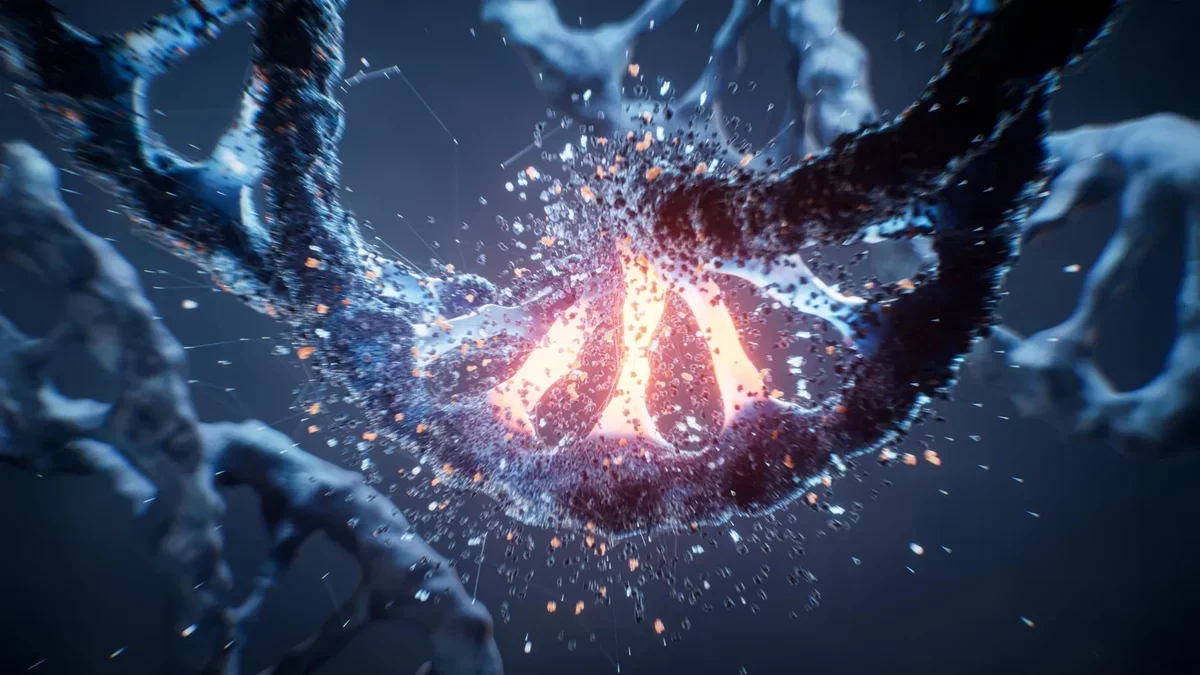
Researchers from the University of California, Berkeley have made a groundbreaking discovery by identifying a microorganism that challenges a long-standing principle of genetic coding. This finding reveals that at least one microbe can embrace ambiguity within its genetic code, fundamentally altering assumptions in biology.
The organism in question, a methane-producing member of the Archaea group, uniquely interprets a specific three-letter sequence--typically a stop codon that indicates the end of a protein--two different ways. In some instances, the cell ceases protein synthesis, while in others, it incorporates an amino acid and continues the process. This duality results in the production of two distinct proteins from a single genetic instruction. The microbe, known as Methanosarcina acetivorans, operates effectively despite this flexible approach, suggesting that life can thrive with a somewhat imprecise genetic code.
Scientists propose that this ambiguity may have evolved to facilitate the incorporation of a rare amino acid called pyrrolysine into an enzyme responsible for breaking down methylamine, a compound prevalent in the environment and the human gut.
According to Dipti Nayak, a UC Berkeley assistant professor and lead author of the study published in the Proceedings of the National Academy of Sciences, "Ambiguity in the genetic code should theoretically be harmful, leading to a random assortment of proteins. However, biological systems exhibit more ambiguity than we recognize, and this ambiguity is actually advantageous."
The Importance of Methylamine Metabolism
Archaea that metabolize methylamines, along with certain bacteria, are vital for human health. For instance, when red meat is consumed, the liver converts certain byproducts into trimethylamine N-oxide, a compound linked to cardiovascular issues. Microbes that eliminate methylamines before they reach the liver play a crucial role in reducing the production of this potentially harmful substance.
This discovery also paves the way for innovative medical approaches. Genetic disorders caused by premature stop codons in essential genes lead to incomplete proteins, accounting for around 10% of inherited diseases, including cystic fibrosis and Duchenne muscular dystrophy. Researchers speculate that allowing stop codons to be slightly "leaky" may enable cells to produce sufficient full-length proteins to alleviate symptoms.
How the Genetic Code Typically Functions
Genetic information in DNA is transcribed into RNA, which is then read by cellular machinery to assemble proteins. RNA consists of four chemical bases: adenine (A), cytosine (C), guanine (G), and uracil (U). In nearly all organisms studied, each three-letter codon either designates a specific amino acid or signals the termination of a protein. This translation process follows a strict one-to-one relationship.
While variability exists across different life forms, the traditional understanding has been that each codon carries a singular meaning. However, Nayak noted, "It's akin to a cipher, translating one language into another--nucleotides to amino acids."
For years, scientists have recognized that many Archaea can produce pyrrolysine, expanding their repertoire to 21 amino acids instead of the usual 20, enhancing their biochemical capabilities.
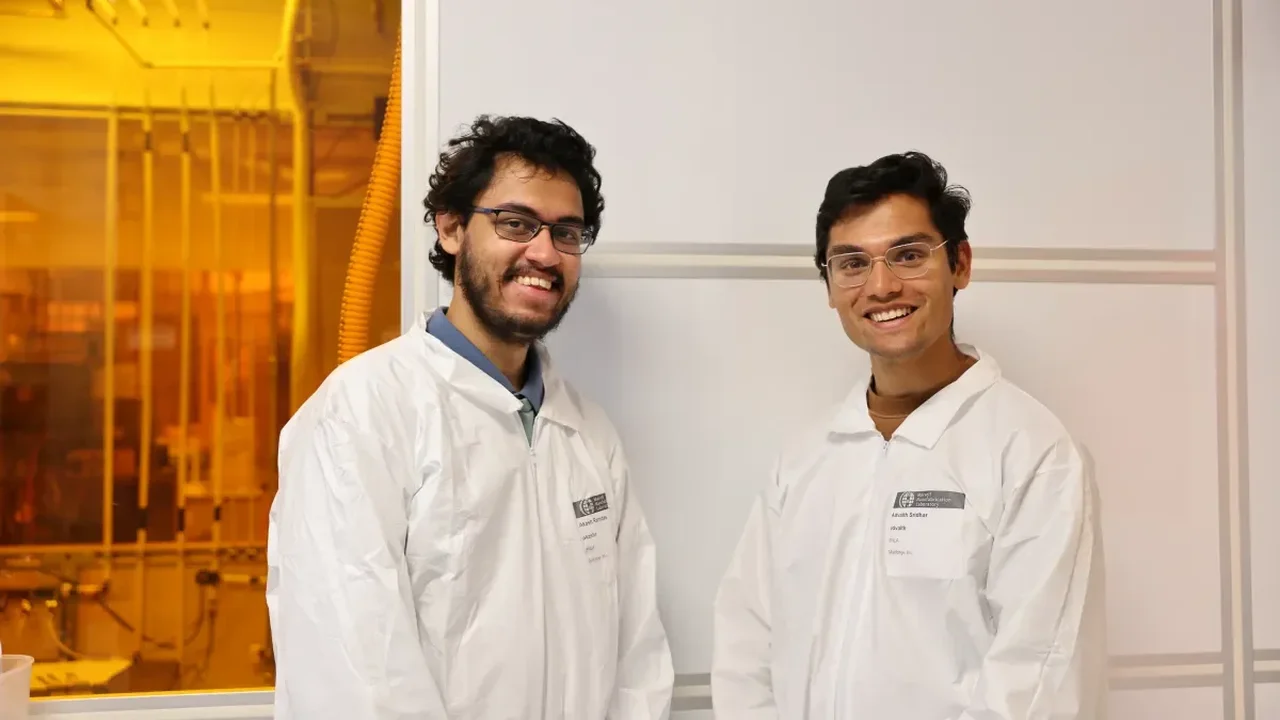
In their study, Nayak and former graduate student Katie Shalvarjian examined various Archaea and discovered that many lineages possess the ability to produce pyrrolysine. They found that the UAG codon can function both as a stop signal and as a pyrrolysine residue, depending on cellular conditions.
This research opens avenues for exploring how cells interpret stop codons, potentially leading to new insights in genetic regulation.