Recent research indicates that women adhering closely to the Mediterranean diet experience significantly lower rates of stroke. This encompasses both ischemic and hemorrhagic strokes, with ischemic strokes being the result of obstructed blood flow to the brain, while hemorrhagic strokes occur due to ruptured blood vessels.
Understanding the Mediterranean Diet
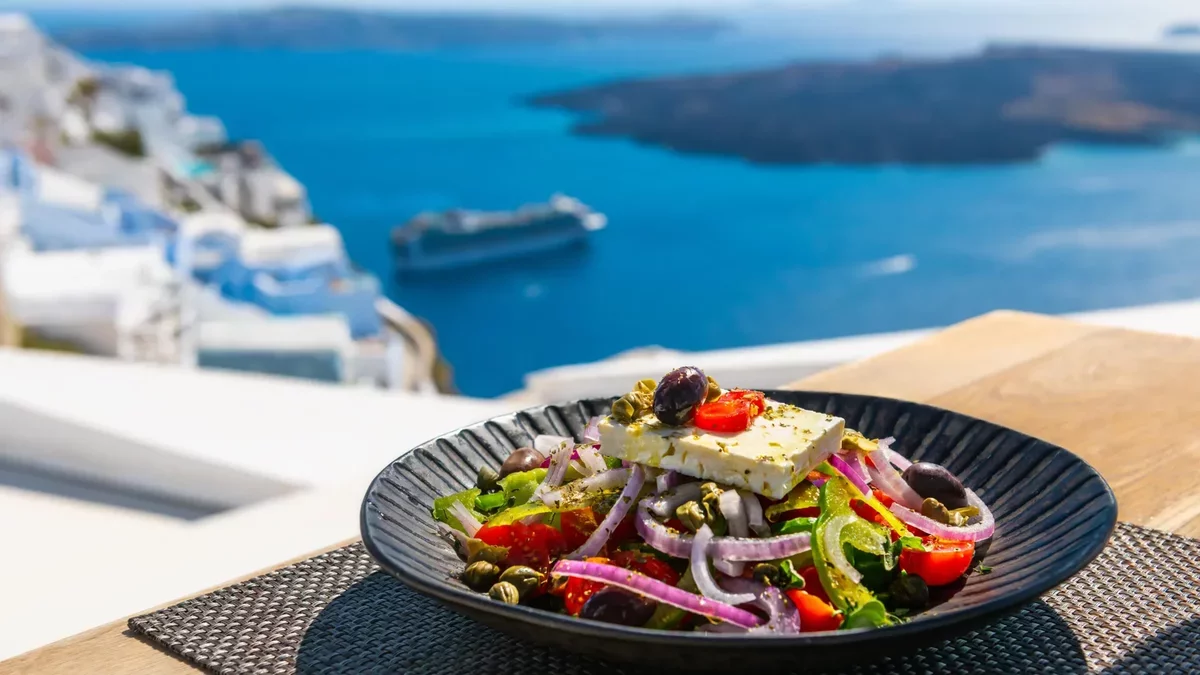
The Mediterranean diet emphasizes a rich intake of vegetables, fruits, legumes, and fish, complemented by healthy fats like olive oil. It restricts the consumption of dairy, meat, and foods high in saturated fats.
Study author Dr. Sophia S. Wang from the City of Hope Comprehensive Cancer Center remarked, "Our findings reinforce the growing evidence that a nutritious diet plays a vital role in preventing strokes. Notably, we found this applies to hemorrhagic strokes, a less frequently studied area."
Details of the Study Involving Over 100,000 Women
The study tracked 105,614 women, all stroke-free at the outset, with an average age of 53. At the beginning, participants filled out an extensive diet questionnaire, which researchers used to assign scores from zero to nine based on adherence to Mediterranean diet principles.
Participants received points for exceeding average consumption of whole grains, fruits, vegetables, legumes, olive oil, and fish, as well as for moderate alcohol intake. Scoring lower than average on red meat and dairy also earned points. Approximately 30% of women achieved scores between six and nine, while 13% scored between zero and two.
Stroke Incidence Over 21 Years
Over an average follow-up period of 21 years, 4,083 strokes were documented, including 3,358 ischemic and 725 hemorrhagic strokes. In the group with the highest diet scores, 1,058 ischemic strokes occurred, in contrast to 395 in the lowest scoring group. For hemorrhagic strokes, 211 cases were noted in the highest group compared to 91 in the lowest.
Even after adjusting for other risk factors such as smoking, physical activity, and hypertension, the results remained significant. Women with the best Mediterranean diet scores had an 18% lower likelihood of experiencing any stroke, a 16% reduction in ischemic stroke risk, and a 25% decrease in hemorrhagic stroke risk.
Implications and Limitations of the Study
Dr. Wang emphasized the importance of these findings, stating, "Stroke is a major cause of mortality and disability, and it's promising to think that dietary improvements could reduce our risk of this serious condition." She noted that further research is essential to validate these results and explore the underlying mechanisms to discover new stroke prevention strategies.
One limitation of the study is that dietary data were self-reported, which may lead to inaccuracies in participants' recollection of their eating habits.
The study received funding from the National Institute of Neurological Diseases and Stroke.