Mave Health, a startup based in San Francisco, is making waves with its neuromodulation headset priced at $495, designed to enhance attention and mood, manage stress, and even monitor mental health. This device positions itself as a non-medical product, allowing it to bypass regulatory hurdles such as FDA approval in the United States.
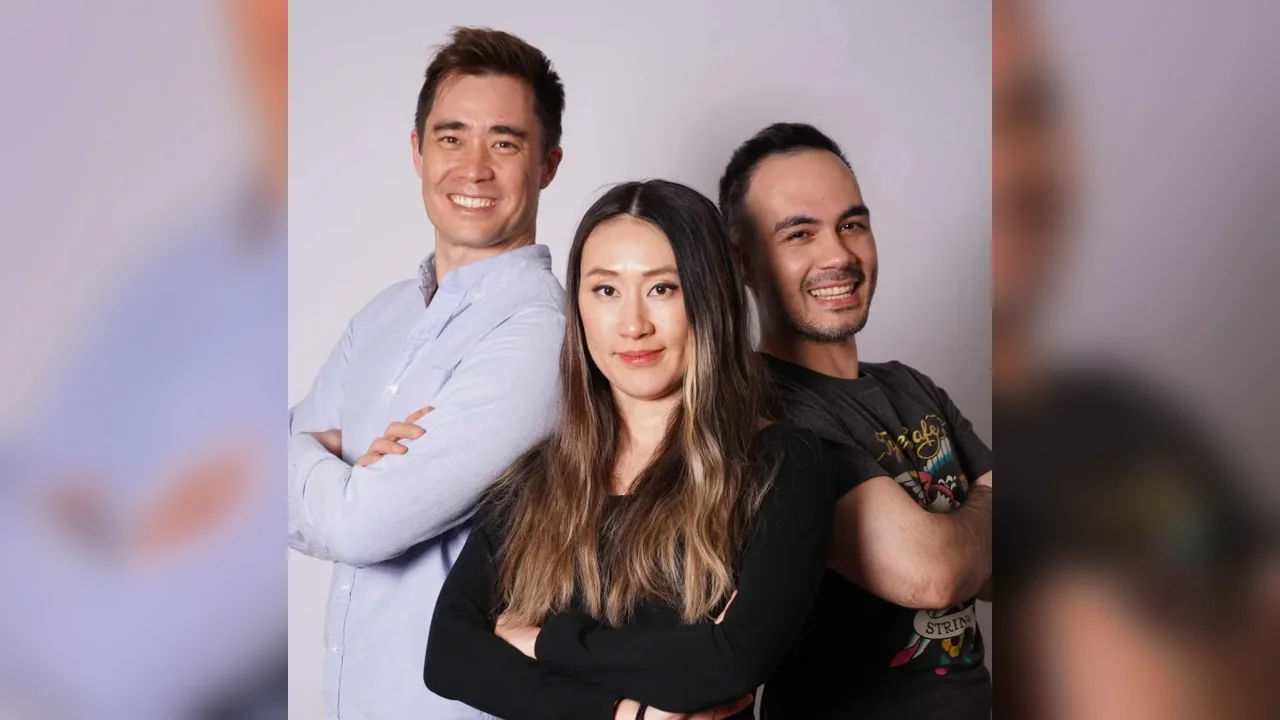
The company was founded in 2023 by Dhawal Jain, alongside his college friends Jai Sharma (CMO) and Aman Kumar (CTO). Jain's inspiration for this venture stemmed from a tragic event during the COVID-19 lockdowns, which highlighted the urgent need for effective mental health solutions.
Jain expressed his concerns regarding the lack of measurable progress in mental health treatments. He noted, "When we asked psychologists about assessing progress, the answers were often vague, leaving patients searching for tangible results." This realization propelled the team to delve into neuroscience, leading to the development of their innovative headset.
The Device and Technology
The Mave Health headset utilizes transcranial direct current stimulation (tDCS), a non-invasive method that delivers low-intensity electrical currents to stimulate brain activity. Users can expect mild side effects, such as temporary discomfort, while engaging with the device, which weighs approximately 100 grams.
The company recommends daily 20-minute sessions for optimal results, and it provides an accompanying app that tracks long-term trends in mood and stress levels. Users begin with a self-assessment and receive follow-up evaluations every two to four weeks to gauge the device's effectiveness.
While Mave Health has not yet published clinical trials, it conducted a private beta test with over 500 participants, reporting significant improvements in productivity and reduced stress levels among users. The company is currently preparing for the publication of observational studies involving 200 participants.
Experts in the field, such as Dr. Himanshu Nirvan, a psychiatrist in Delhi, have praised the potential of tDCS technology in addressing mental health issues, although concerns about lifestyle applications remain. Dr. Nirvan noted the convenience of the device, emphasizing its portability and ease of use.
Leigh Elkin Charvet, a clinical neuropsychologist from NYU, highlighted the importance of proper design and consistent usage for effective results. She cautioned that while tDCS shows promise, more research is needed to establish its efficacy in healthy individuals.
Currently, the headset is available for pre-order, with the first shipments expected in April 2026. Mave Health recently secured $2.1 million in seed funding, bringing its total investment to nearly $3 million, indicating strong investor confidence in its innovative approach to mental wellness.
This development in wearable technology could reshape how individuals manage their mental health, paving the way for a future where mental wellness tools are as accessible and integral to daily life as fitness trackers.