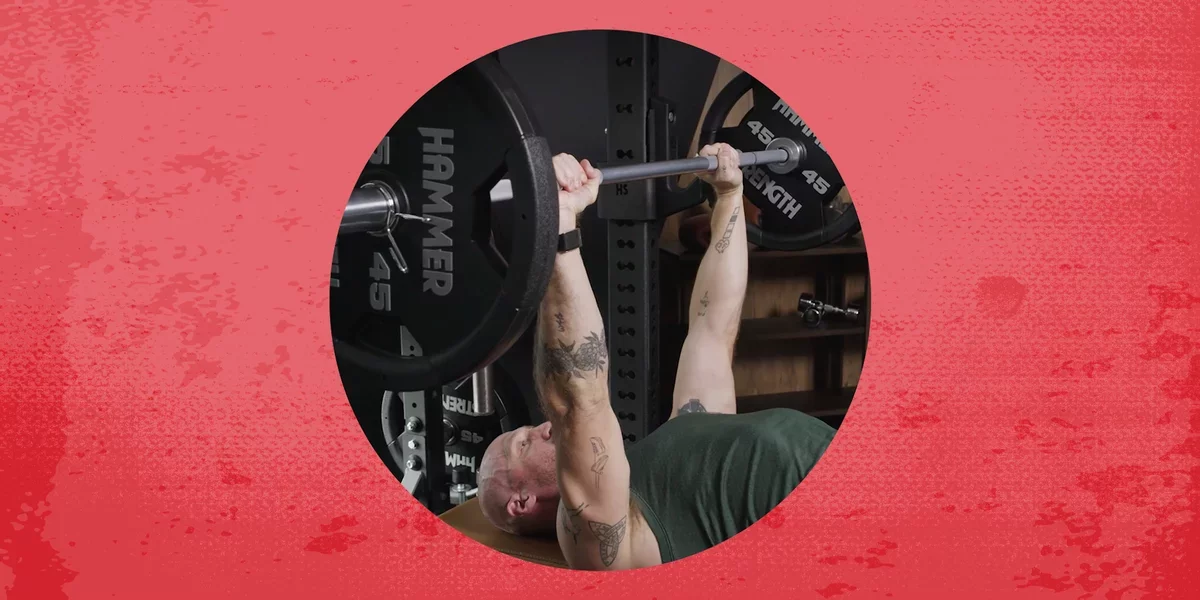
The barbell bench press stands as a vital pillar in the realm of strength training. It's a staple exercise that many incorporate into their fitness routines, largely due to its unparalleled ability to build muscle. This exercise not only targets the chest (pectorals) but also engages the triceps, shoulders, and a variety of supporting muscles, from the core to the glutes.
Ebenezer Samuel, C.S.C.S., fitness director at Men's Health, emphasizes the bench press as a benchmark for upper-body workouts. However, he notes that beginners often struggle with proper form, which can lead to suboptimal results and potential injuries, especially when heavier weights are involved. "The bench press is deceptively intricate, but we're here to guide you in maximizing every repetition," Samuel assures.
Executing the Barbell Bench Press
The journey to a successful bench press begins long before you lift the bar. Samuel stresses the importance of an active setup, as this exercise is all-encompassing when performed correctly.
Establish Your Footing
Start by firmly planting your feet on the ground. Samuel advises driving your heels into the floor to create a solid base, which is crucial for stability and power.
Engage Your Glutes
As you recline on the bench, ensure your body is securely positioned. Squeeze your glutes to establish a strong core, which is essential for harnessing lower body strength.
Shoulder Positioning
Instead of arching your back excessively, focus on driving your shoulders into the bench. This creates stability, which is foundational for exerting power during the lift.
Finding the Right Grip
Many lifters tend to grip the bar too wide, which can limit chest activation and heighten injury risks. Samuel recommends adjusting your grip until your forearms are perpendicular to the ground for optimal force application.
Unracking the Bar
Before lifting, confirm your setup by revisiting your foot placement, glute engagement, shoulder positioning, and grip. Once ready, lift the bar over your chest, rotating your elbows inward to activate your lats and enhance your pressing strength.
The Lift
During the lift, the bar should descend in a controlled manner to your sternum, with your arms forming approximately 45-degree angles. Press back up along the same path, ensuring your arms are straight above your chest at the conclusion of each rep.
Avoiding Common Mistakes
Many lifters inadvertently lift their butt off the bench or shift their feet during reps, compromising stability and power. Maintain a consistent foot position and keep your glutes engaged for effective lifting.
By adhering to these guidelines, you can enhance your bench press technique, ensuring a safer and more effective workout. This mastery not only builds strength but also sets the stage for future advancements in your fitness journey.
As individuals refine their bench press technique, they not only improve their strength but also cultivate a deeper understanding of body mechanics, which can lead to broader fitness achievements in the future.