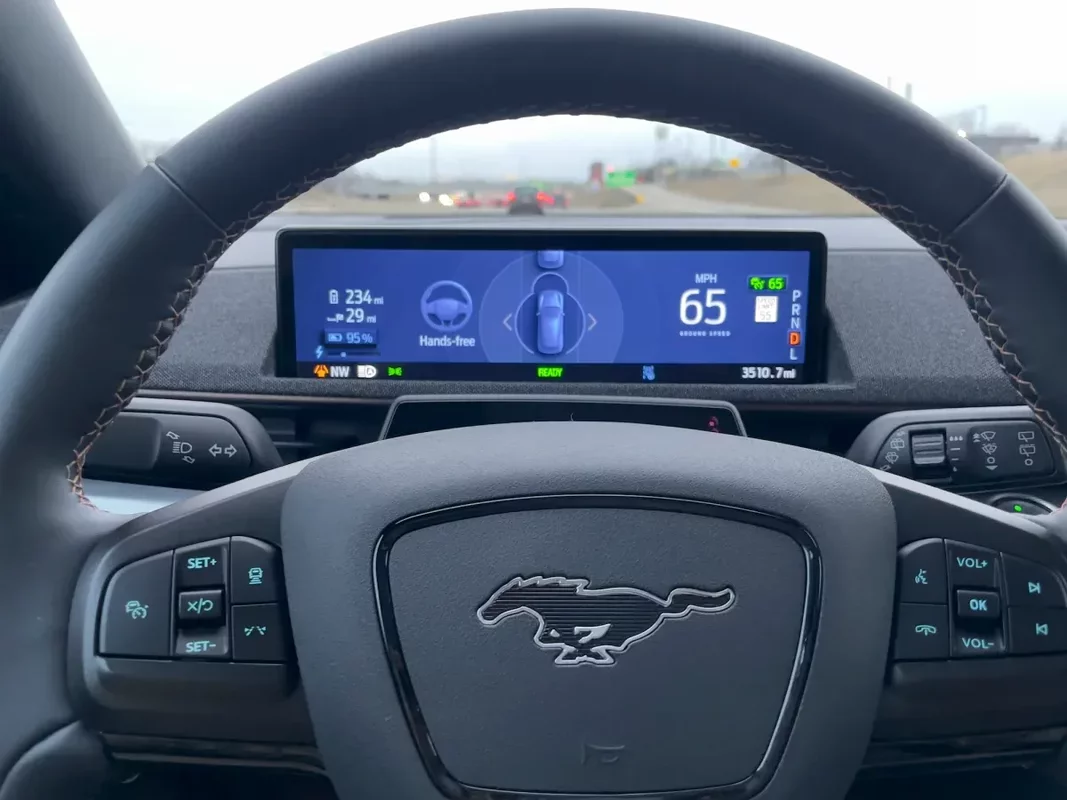
The National Transportation Safety Board (NTSB) has released new insights regarding two fatal accidents involving Ford's BlueCruise hands-free driving technology, suggesting that driver distraction played a significant role just before the collisions. The NTSB's findings will be discussed in a public hearing scheduled for March 31 in Washington D.C., where recommendations for Ford may be proposed.
While the NTSB investigates these incidents, the National Highway Traffic Safety Administration (NHTSA) is also conducting its own inquiry. In early 2025, NHTSA identified limitations in BlueCruise's ability to detect stationary vehicles under certain conditions, prompting an expanded investigation. Ford has consistently emphasized that BlueCruise is designed as a convenience tool, urging drivers to remain vigilant and ready to take control at all times.
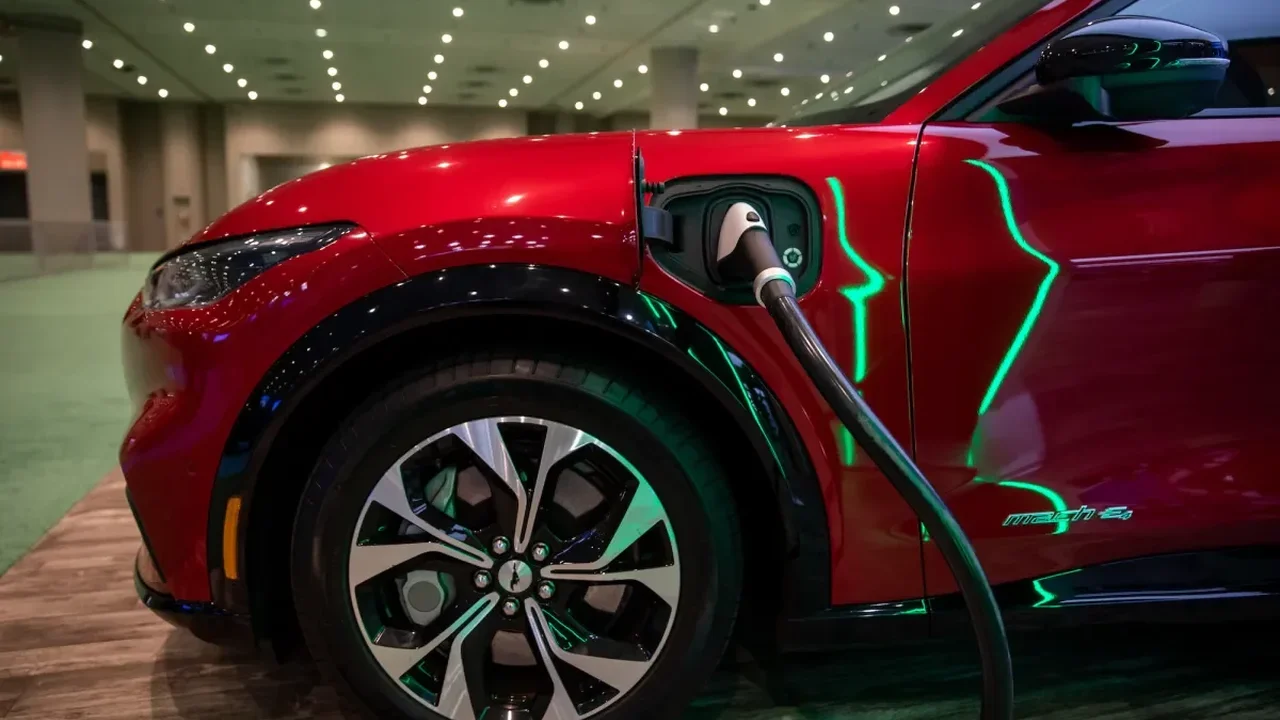
The first incident occurred in February 2024 in San Antonio, Texas, involving a 2022 Ford Mustang Mach-E that collided with a stationary vehicle while the driver was reportedly distracted by the infotainment system. The driver monitoring system indicated minimal attention to the road just before the crash, highlighting the importance of driver awareness even when using advanced technologies.
The second crash took place in March 2024 in Philadelphia, where a 23-year-old driver, allegedly under the influence, crashed into two parked vehicles. Although the driver monitoring system recorded her eyes on the road, evidence suggests she may have been using her phone just prior to the impact. This raises questions about the effectiveness of driver monitoring systems in detecting distractions.
Ford's vehicles are equipped with additional safety features such as forward-collision warning and automatic emergency braking, which are distinct from BlueCruise. However, the NTSB's reports indicate that these systems did not engage during the crashes, emphasizing the need for further advancements in vehicle safety technology.
This investigation underscores the critical balance between technological innovation and driver responsibility. As the automotive industry continues to evolve, it is essential to enhance communication about the capabilities and limitations of driver assistance systems. The outcomes of the NTSB's hearing may pave the way for improved safety measures that prioritize both technology and driver engagement, shaping a safer future for autonomous driving.