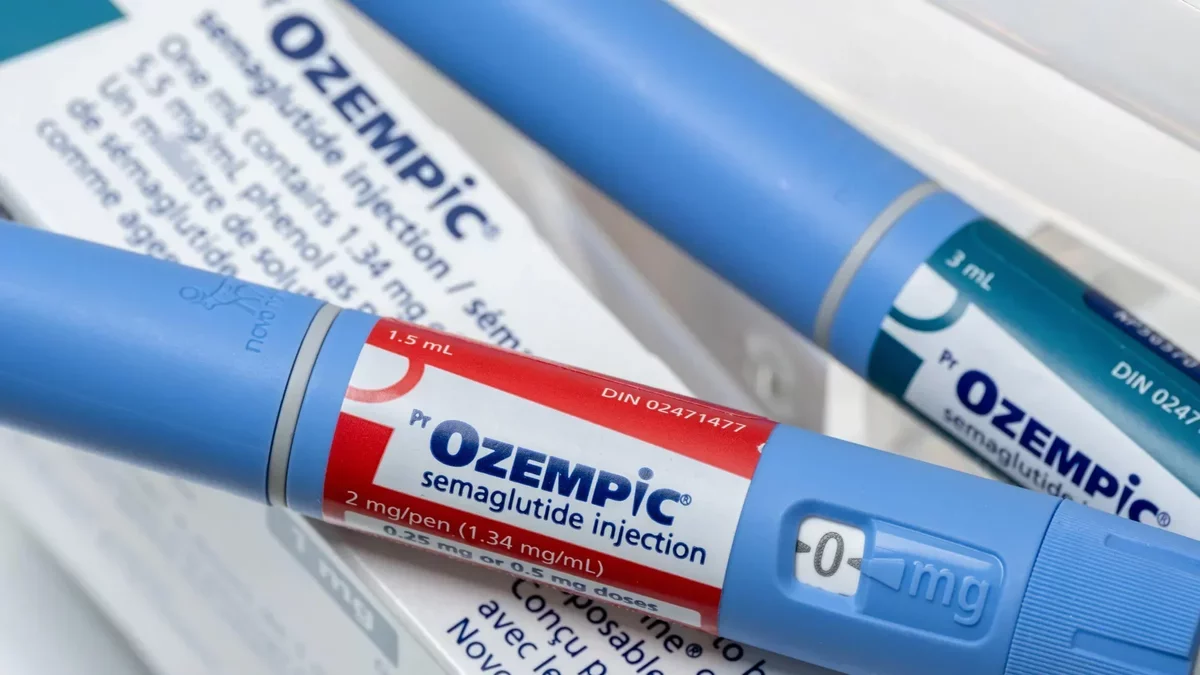
Recent research featured in Nature Communications indicates that GLP-1 weight-loss medications could serve as a promising approach to aid recovery following a heart attack.
Previous studies have demonstrated that these medications can reduce the risk of significant cardiovascular issues, with benefits observed irrespective of a patient's pre-existing health conditions or the extent of weight loss achieved.
Exploring the Heart-Protection Mechanism of GLP-1 Drugs
To delve deeper into the heart-protective properties of GLP-1 medications, scientists investigated the underlying biological mechanisms. Earlier findings revealed that pericytes, small contractile cells, constrict coronary capillaries during the initial phase of ischemia, which occurs when the heart muscle lacks oxygen-rich blood.
The latest study aimed to determine if GLP-1 drugs could reverse this constriction and restore blood flow through the affected tiny vessels.
Dr. Svetlana Mastitskaya, a Senior Lecturer in Cardiovascular Regenerative Medicine at Bristol Medical School and the study's lead author, noted: "In approximately half of heart attack cases, small vessels in the heart muscle remain constricted even after emergency treatment clears the primary artery. This leads to a complication known as 'no-reflow,' where blood cannot reach specific heart tissue areas."
"Our earlier research indicated that this vessel narrowing significantly contributes to 'no-reflow,' which heightens the risk of mortality or hospital admissions for heart failure within a year post-heart attack. Surprisingly, our new findings suggest that GLP-1 drugs may help mitigate this issue."
Enhancing Heart Blood Flow with GLP-1 Medications
Animal model experiments demonstrated that GLP-1 drugs enhance blood circulation in the heart following a heart attack. These medications activate potassium channels, leading to the relaxation of pericytes and the dilation of previously constricted vessels. Consequently, blood flow to the heart tissue is improved, reducing the likelihood of further damage.
Professor David Attwell, Jodrell Professor of Physiology at UCL and co-lead of the study, remarked: "As more GLP-1 drugs gain traction in clinical settings for various conditions, including type 2 diabetes, obesity, and kidney disease, our findings underscore the potential for repurposing these existing drugs to address the risk of 'no-reflow' in heart attack patients, potentially offering a life-saving intervention."
Dr. Svetlana Mastitskaya receives funding from the British Heart Foundation.