Age-related macular degeneration (AMD) primarily manifests in its dry form, which progresses slowly but can eventually impair central vision. This condition complicates everyday tasks such as recognizing faces, reading, or driving. Despite its prevalence, current medical options for early intervention remain limited.
Research from Aalto University reveals a promising alternative approach. Instead of waiting for significant vision loss to occur, scientists are investigating methods to empower susceptible eye cells to defend and repair themselves proactively.
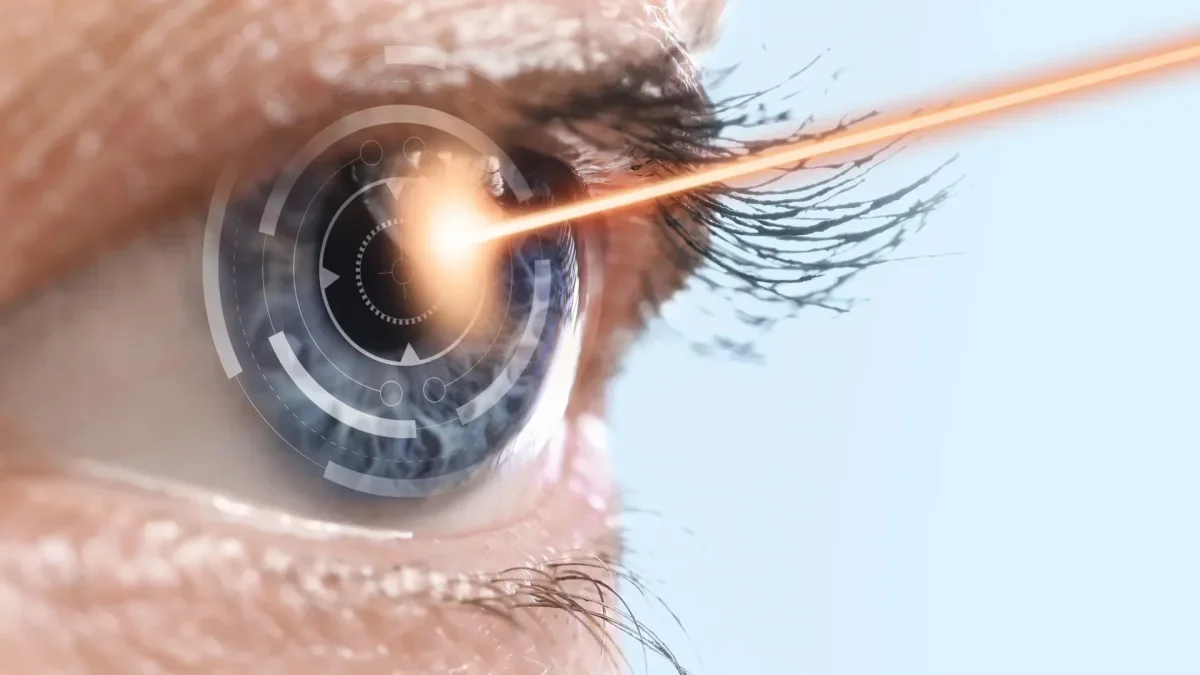
The innovative technique employs precisely controlled heat delivered via near-infrared light. This method aims to gently elevate the temperature of the retinal tissue just enough to stimulate natural repair mechanisms without inflicting damage.
Empowering Aging Retinal Cells
According to Professor Ari Koskelainen, the objective is to enhance the internal protective mechanisms of affected cells. "As cells age, their functionality diminishes, exposing the retina to oxidative stress," he states. "This oxidative stress leads to the formation of drusen, fatty deposits that serve as a key indicator of dry AMD."
These drusen can jeopardize the health of the retina, particularly the macula, which is essential for sharp central vision. The Aalto research team targets the disease in its early stages, aiming to halt its progression before it causes irreversible damage.
The Role of Heat in Treatment
Applying heat to the retina poses challenges, as the tissue must be warmed only slightly, and direct temperature measurement is complex. Temperatures exceeding 45 degrees Celsius can result in tissue damage. To address this, the researchers developed a system that administers heat while continuously monitoring the temperature, ensuring it remains within a safe range.
This controlled heating acts as a mild stress signal, intended to activate protective cellular responses that weaken with age. One such response involves the production of heat shock proteins, which assist in the proper folding of damaged proteins or facilitate their breakdown into amino acids for reuse.
Activating Cellular Cleanup Mechanisms
If proteins have already aggregated, another crucial process comes into play: autophagy. This mechanism, recognized by Yoshinori Ohsumi's Nobel Prize-winning research, functions as a cellular cleanup system, enveloping unwanted materials and guiding enzymes to degrade old or damaged components. In the context of dry AMD, enhancing autophagy could significantly mitigate the disease's impact.
"Our findings indicate that we can activate both heat shock protein production and autophagy through heat shock," says Koskelainen, highlighting the treatment's multifaceted approach to cellular repair and detoxification.
Promising Animal Trials Ahead of Human Testing
The method has demonstrated success in animal studies involving mice and pigs, where controlled heating effectively triggered protective responses in retinal tissue. The next phase involves human trials, set to commence in Finland in spring 2026, focusing initially on safety rather than efficacy.
While the treatment may not provide a one-time solution, it could evolve into a maintenance therapy, requiring periodic application to sustain the eye's protective systems.
A Shift in AMD Research
The Aalto study represents a significant advancement in the shifting landscape of dry AMD treatment research. With other light-based therapies gaining traction, such as the FDA-approved Valeda Light Delivery System, the focus is increasingly on innovative interventions.
Published in Nature Communications, the Aalto team's findings could soon transition from laboratory research to practical application in ophthalmology clinics. "With an optimistic timeline, we envision this method becoming accessible within three years," Koskelainen notes, envisioning a future where such treatments are commonplace in eye care.
If successful, this laser heat treatment could revolutionize how we approach aging eyes, empowering them to protect themselves against vision loss before it occurs.