Compulsive behaviors manifest in various mental health disorders, including obsessive-compulsive disorder, substance use issues, and gambling addiction. Individuals grappling with these conditions often find themselves repeating certain actions despite negative repercussions. This phenomenon affects millions globally.
The Function of Habits and Self-Regulation
Dr. Laura Bradfield, a prominent behavioral neuroscientist, highlighted the essential role of habits. They enable us to perform routine tasks, such as brushing our teeth or navigating familiar routes, with minimal mental effort, allowing us to focus on other thoughts.
"For instance, if we are driving and a child unexpectedly steps onto the road, we instinctively become aware of our environment and concentrate on our actions. This process requires us to regain conscious control, evaluate potential outcomes, and modify our behavior," Dr. Bradfield explained.
Traditionally, it has been believed that compulsive actions, like excessive handwashing or gambling, evolve into deeply entrenched habits. This perspective suggests that such behaviors operate automatically, making it challenging for individuals to reclaim cognitive control.
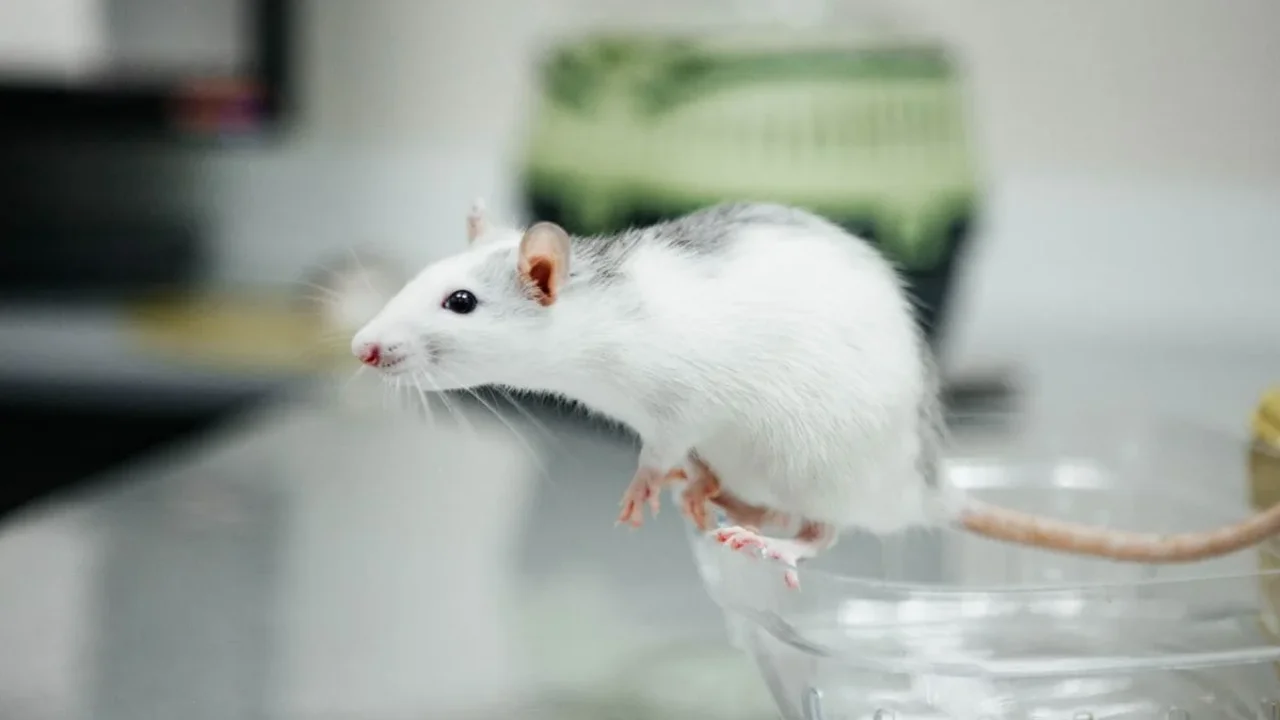
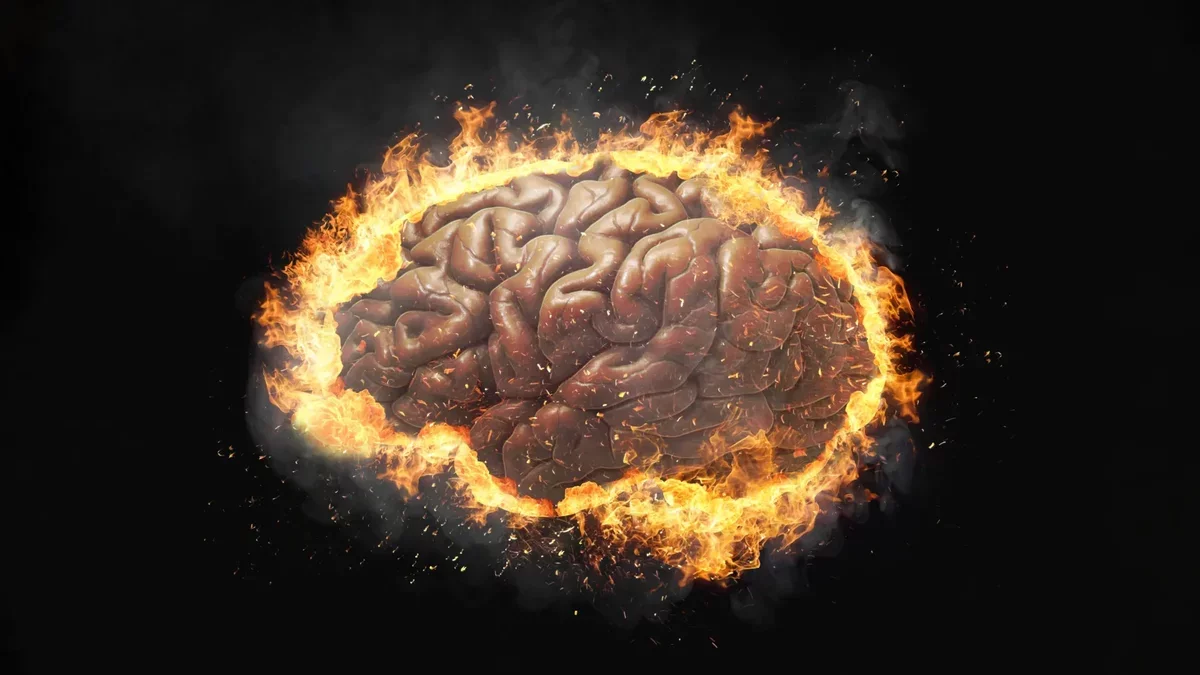
"Brain imaging research indicates that individuals with compulsive disorders frequently exhibit inflammation in the striatum, a brain area crucial for action selection. Consequently, we aimed to investigate whether inducing inflammation in this brain region of rats would heighten habitual behaviors," Dr. Bradfield noted.
Impact of Brain Inflammation on Decision-Making
The study, led by Dr. Arvie Abiero during his doctoral research at UTS, was recently published in Neuropsychopharmacology. The researchers scrutinized how rats acquire behaviors and manage their actions. Surprisingly, when inflammation was induced in the striatum, the rats did not exhibit more automatic or habitual behaviors; instead, they demonstrated increased intentional and effortful decision-making.
"Unexpectedly, the rats became more goal-oriented, continuously adjusting their actions based on outcomes, even in scenarios where habitual responses would typically dominate," Dr. Bradfield remarked.
The Influence of Astrocytes on Compulsive Actions
The research team attributed these behavioral changes to astrocytes, star-shaped brain cells that support neurons. Following inflammation, astrocytes proliferated and disrupted nearby neural circuits responsible for movement and decision-making.
These insights may hold significant implications for psychologists, psychiatrists, patients, and caregivers dealing with compulsive disorders. Instead of indicating a loss of control due to entrenched habits, some compulsive actions may stem from excessive, albeit misdirected, conscious control.
The researchers propose that medications targeting astrocytes or therapies aimed at reducing neuroinflammation could offer novel treatment avenues. Broader anti-inflammatory approaches, such as regular physical activity or enhanced sleep, might also contribute positively.
"Many compulsive behaviors do not align perfectly with the habit hypothesis. For instance, if an individual persistently washes their hands due to germ concerns, they are not acting mindlessly; they are consciously choosing to engage in that behavior," Dr. Bradfield stated.
"Our findings present a fresh perspective on these actions, challenging the prevailing assumptions. This could pave the way for the development of new treatments and interventions that more effectively address these conditions," she concluded.