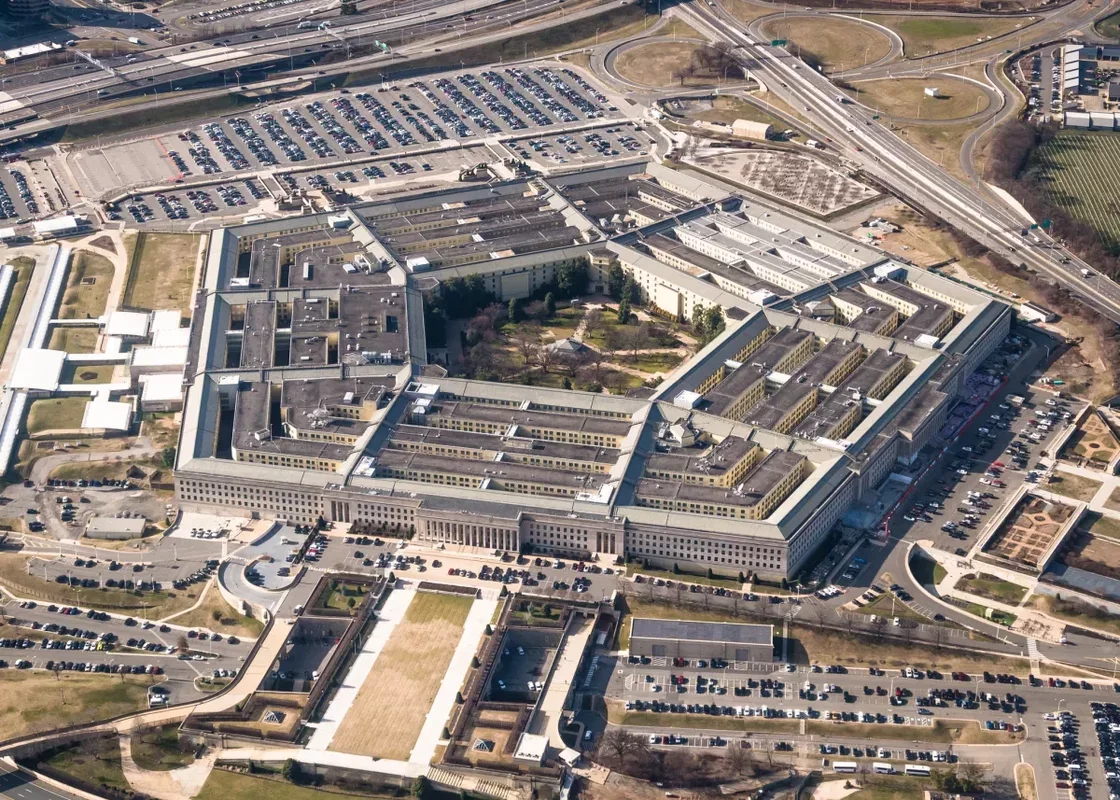
Recent discussions surrounding the Pentagon's engagement with Anthropic's Claude technology have sparked significant interest, particularly as negotiations faltered over the AI company's designation as a supply-chain risk. This development raises questions about the future of startups in the defense sector.
In a swift response, OpenAI secured its own deal, which resulted in a notable backlash, leading to a surge in users uninstalling ChatGPT and propelling Anthropic's Claude to the forefront of the App Store rankings. This situation has also led to the departure of at least one OpenAI executive, citing concerns over the rapid pace of the agreement.
On a recent episode of TechCrunch's Equity podcast, industry experts discussed the implications of this controversy for startups aiming to collaborate with federal entities, particularly the Pentagon. The conversation highlighted the unique challenges faced by companies like Anthropic and OpenAI, whose technologies are under intense scrutiny due to their potential military applications.
One of the podcast hosts, Kirsten Korosec, expressed concerns that the current climate might prompt startups to reconsider their pursuit of federal contracts. She questioned whether this incident could lead to a shift in attitude among tech companies regarding federal engagements.
Co-host Sean O'Kane noted that while this situation is unprecedented, many companies, including established players like General Motors, have long partnered with the government without attracting similar scrutiny. He pointed out that the public visibility of OpenAI and Anthropic's products contributes to the heightened attention on their dealings with the Pentagon.
Sean further emphasized that the crux of the matter lies in the ethical implications of how AI technologies are utilized, particularly in military contexts. This aspect adds a layer of complexity that many other contractors may not face.
Despite the controversy, Sean suggested that many startups may not retreat from federal work, as their engagements often remain below the public radar. He indicated that the spotlight on Anthropic and OpenAI is not reflective of the broader landscape of defense contracting.
Anthony, another podcast participant, remarked that the ongoing discourse around technology's role in government is essential. However, he noted that both Anthropic and OpenAI share similar stances on wanting restrictions regarding their AI's applications, even if their approaches differ in execution.
The conversation concluded with a recognition that the Pentagon's attempt to alter existing contracts is a significant concern for startups. The current political dynamics surrounding defense contracts may create an unpredictable environment that warrants careful consideration from emerging tech firms.