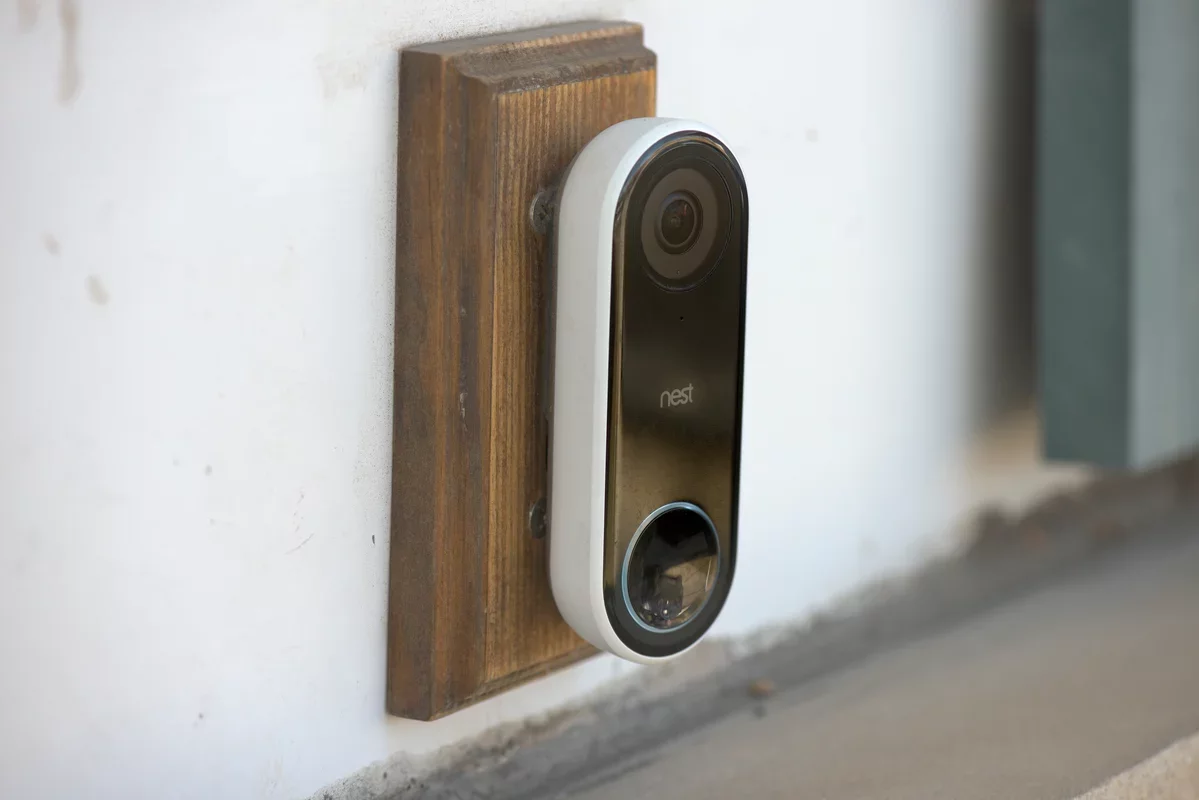
As many Americans, I've been following the developments surrounding Nancy Guthrie's disappearance with great concern. The recent announcement from the FBI regarding the release of new footage of a suspect brought a glimmer of hope to the case, even if it was merely a doorbell video showing a masked individual.
Upon viewing the footage, I initially thought that the FBI had possessed this evidence from the start and chose to share it with the public later. However, that assumption was incorrect. Those closely monitoring the case may recall that law enforcement had previously indicated that Guthrie's Google Nest camera had been disconnected, likely by the suspect, and that she did not have a subscription to store video on the doorbell or in the cloud. Despite this, the FBI managed to produce this video seemingly out of nowhere.
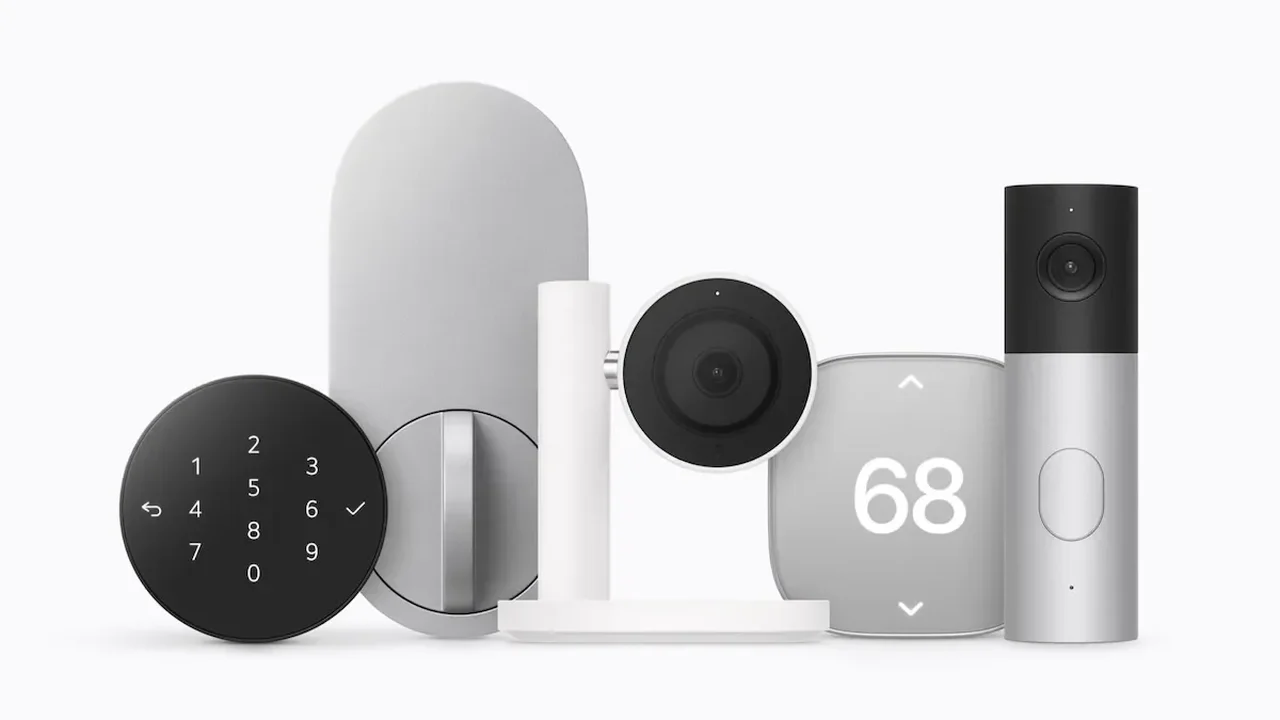
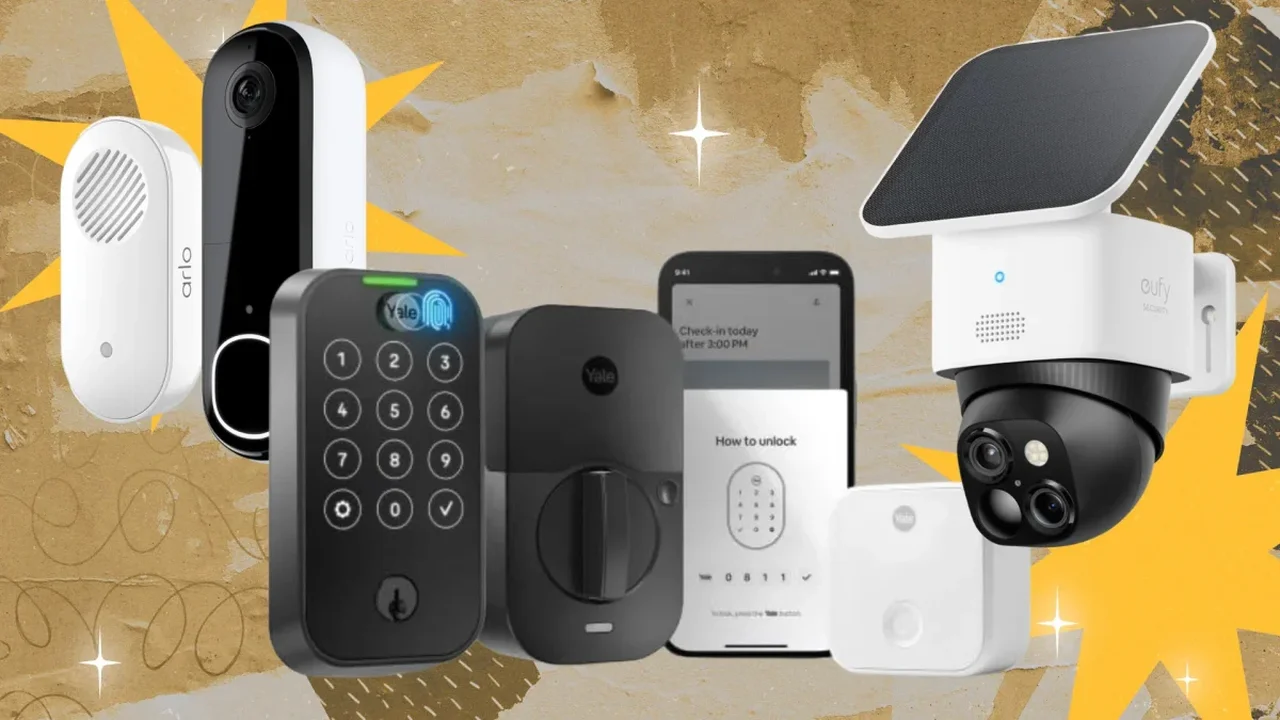
If you own a Google Nest device, this revelation might raise some eyebrows. It's one thing for law enforcement to obtain footage from a subscription or directly from the device, but if you haven't been saving video records, it appears that retrieval is still possible. This begs the question: how did the FBI manage this, and what implications does it have for the privacy of Nest device users?
The FBI Likely Reconstructed the Video from Data Fragments
While the exact method the FBI used to acquire the footage remains unclear, there are some potential leads. According to FBI Director Kash Patel, the footage was recovered from "residual data located in backend systems." This description is rather vague, and the FBI is not particularly known for its transparency.
Experts consulted by various news outlets have suggested that it is feasible to extract data from the intricate systems of cloud-based cameras, including Google Nest devices. A retired FBI agent indicated that Guthrie's Nest camera might have sent images to Google's cloud service or stored data locally, even without a subscription. This could have enabled the FBI to access the footage from the cloud or reconstruct the video from local data points.
Both scenarios align with how Nest cameras function without a subscription: while a subscription is necessary to save video clips, some devices record event histories and retain them on the device. For instance, the third-generation wired Nest Doorbell can save clips of up to 10 seconds, while earlier models can keep up to three hours of event history without a subscription. They also allow live video feeds during motion detection, which may affect the data saved.
It's plausible that the individual approaching the camera triggered the doorbell to save an event history. However, considering the time it took for the FBI to release the footage and the director's mention of "residual data," it seems that the footage was not readily available in Guthrie's Google Home app. It's possible that event history was saved to the cloud but was not easily accessible or was overwritten, prompting the FBI to reconstruct it from recovered data points. While this theory is compelling, we still lack a definitive answer.
I have reached out to Google for a comment and will provide updates if I receive a response.
Should You Consider Removing Your Nest Camera Due to Privacy Issues?
Based on current knowledge, it doesn't appear that your Nest doorbell or camera poses an imminent privacy threat. However, it's understandable to feel concerned. If you lack a Nest subscription, you might have felt reassured that your footage wasn't being stored anywhere, thus leaving law enforcement with nothing to seize if you were ever implicated. This assumption may not hold true.
Without a subscription, you won't have access to a full archive of clips recorded by your Nest camera. You may have limited event history saved based on motion detection, but this will only cover a three-hour period. While your device may hold data points that could be utilized to reconstruct footage, this is likely true for any smart camera system, not just Nest.
Moreover, this situation differs from that of Ring cameras, as Google hasn't collaborated with agencies to facilitate footage requests from users. Nest does not feature a "Search Party" option like Ring, which can sometimes create a neighborhood surveillance dynamic. While I acknowledge the valid security and privacy concerns, placing a commercially available smart camera at your front door inherently involves trusting companies like Google or Amazon with your data. If you wish to eliminate the risk of your doorbell footage being accessed by the FBI, the simplest solution is to avoid having a camera-equipped doorbell altogether. However, unless there is a warrant or a situation as severe as that of Nancy Guthrie, the likelihood of your Nest doorbell footage being used against you seems minimal.