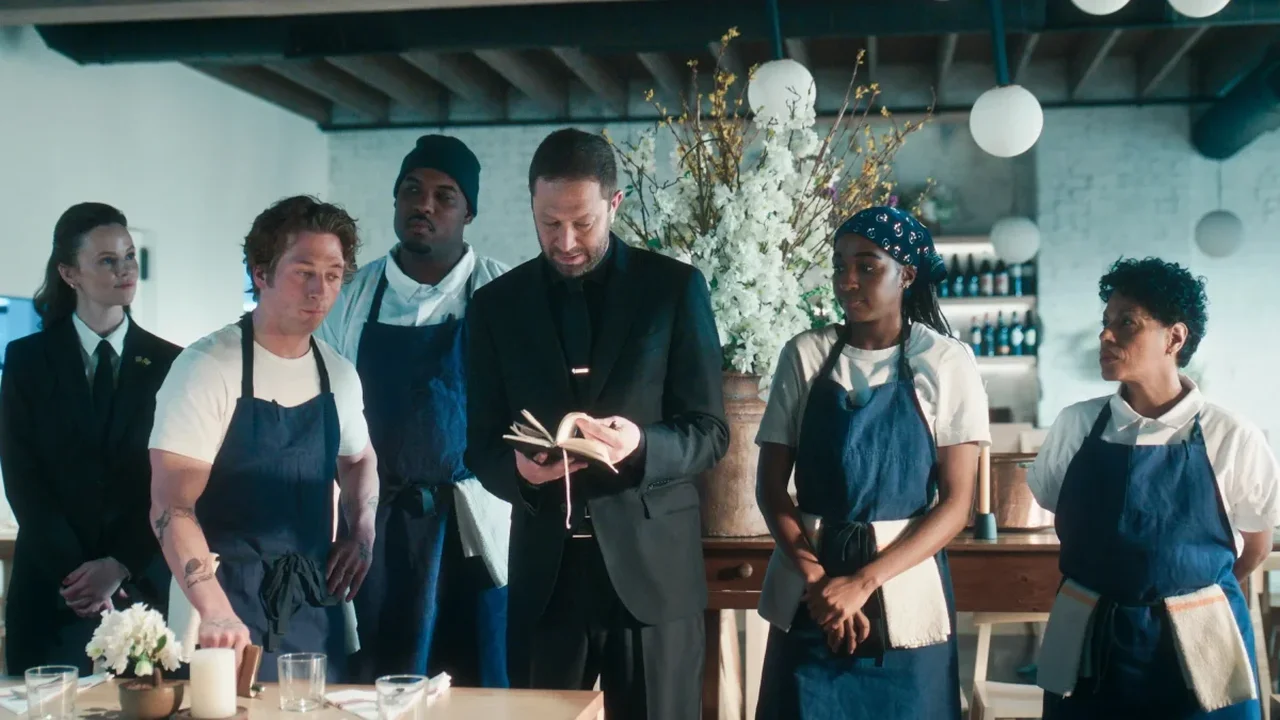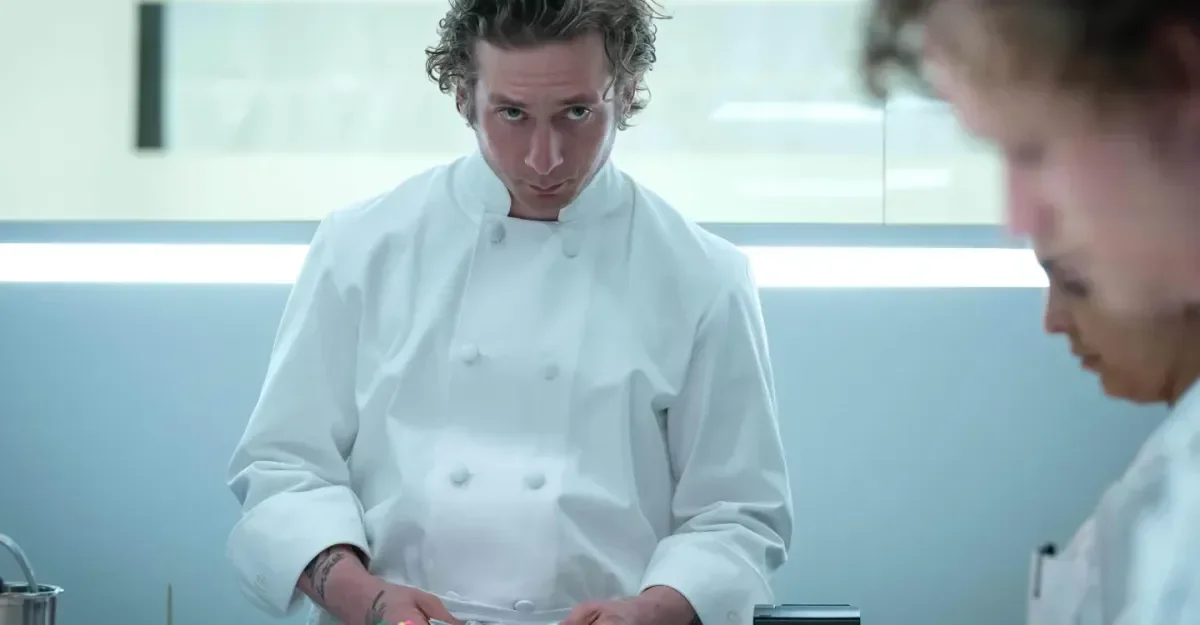
The Bear is reaching its final chapter this week, closing a four-season run that reshaped how audiences view restaurant life. The series, which returns for its fifth and last season on June 25 on Hulu and FX, left a strong mark by turning kitchen culture into a mainstream conversation.
Industry voices say the show stood out for its authentic energy: overlapping dialogue, relentless pacing, and the constant pressure of service. For many chefs and former cooks, that realism captured the rhythm of a busy kitchen better than most food-centered television.
Why it resonated
Beyond the drama, the series helped viewers understand the work behind every plate. Chefs noted that it highlighted teamwork, repetition, problem-solving, and the emotional weight of restaurant life without turning the profession into a glossy fantasy. It also brought wider attention to Chicago's dining scene and introduced many viewers to the layered world of fine dining.
Several chefs also pointed out that the show sparked new interest in the people behind the pass. Its impact has been compared to a cultural bridge, making restaurant operations feel more visible to audiences who usually only see the final meal.
What it changed
At the same time, experts said the series may have reinforced the idea that chaos is essential for excellence. In reality, many successful restaurants rely on structure, communication, and consistency. That contrast became part of the show's legacy: it opened the door to a broader, more nuanced understanding of kitchen culture.
As The Bear signs off, its influence remains clear. The series helped elevate restaurant storytelling, inspired new interest in culinary work, and set a higher bar for authenticity in food-centered drama. Its legacy may shape how future creators portray kitchens, chefs, and the culture around them.