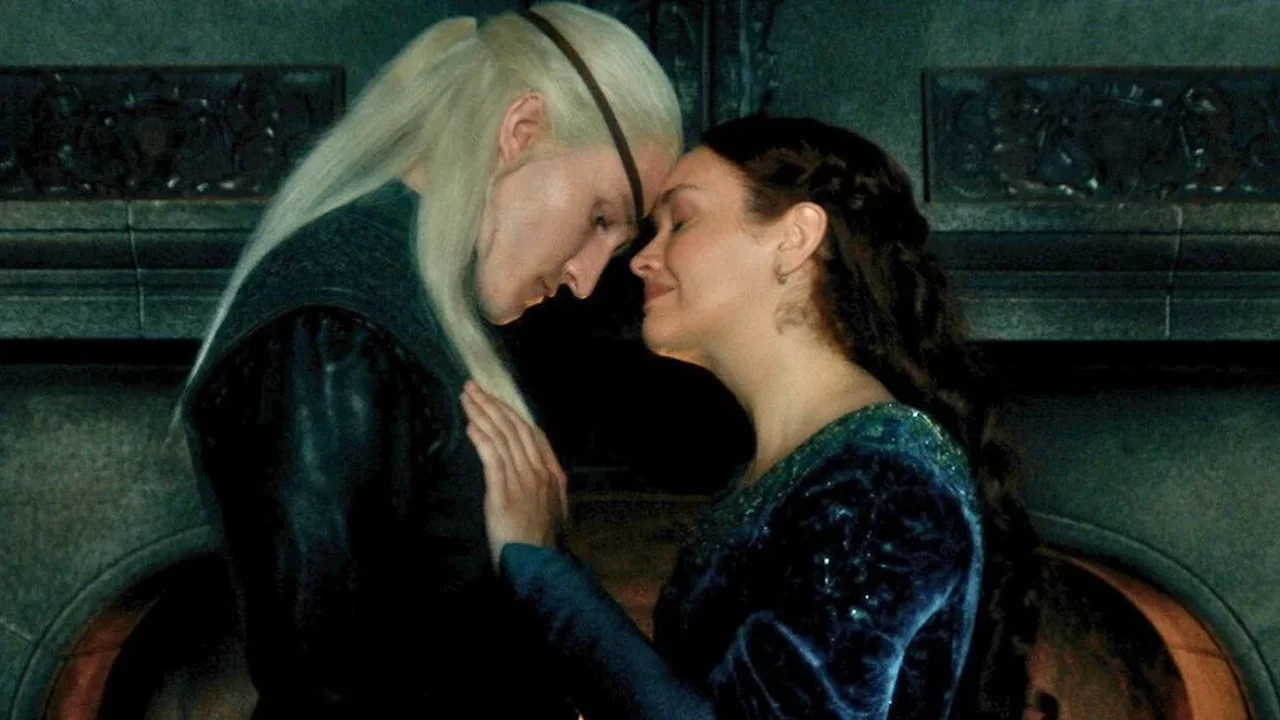
House of the Dragon continues to stand out not only for its dragons and масштабlı battles, but also for the precision behind its visual world. One of the show's most striking strengths is the armor, designed to feel both cinematic and historically grounded.
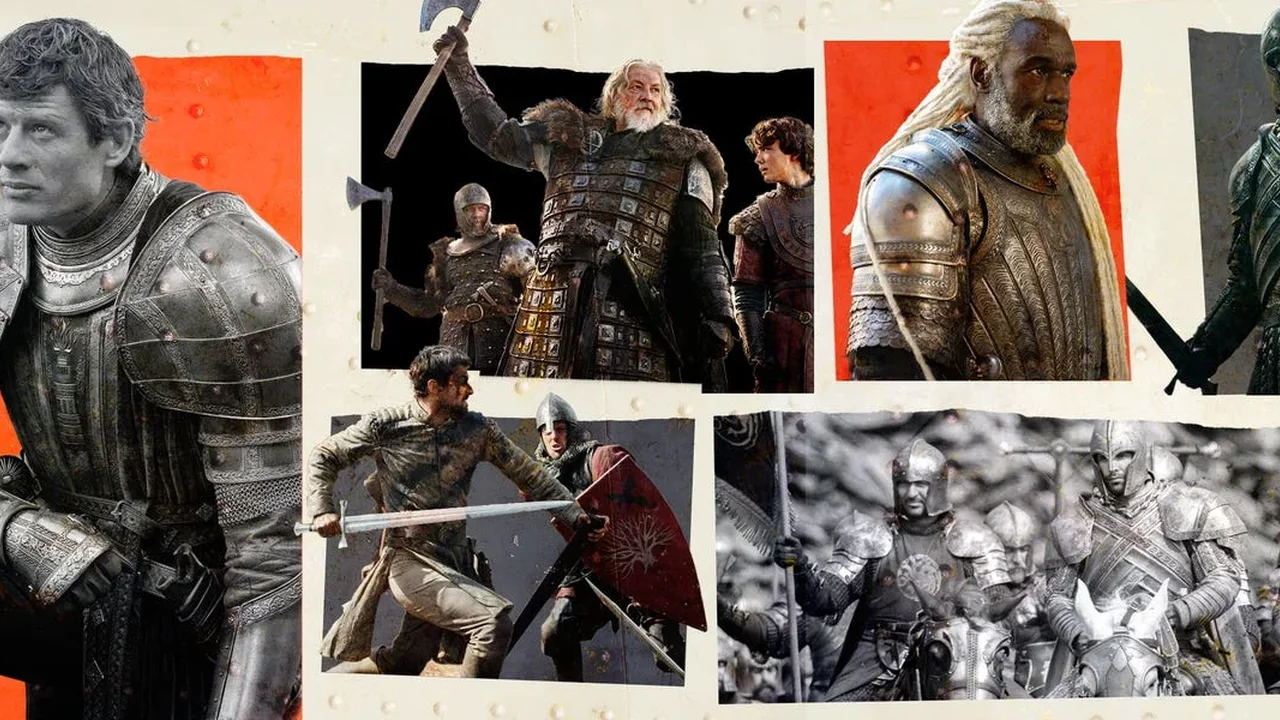
According to armor designer Simon Brindle and costume designer Caroline McCall, the third season demanded an extraordinary amount of craftsmanship. Their team used more than 400,000 chain mail links, 100,000 rivets, and 25,000 custom laser-cut metal pieces to build armor for key characters including Ser Criston Cole, Daemon Targaryen, and Ormund Hightower.
The creative process begins with script analysis, research, and museum visits. McCall said she draws inspiration from real medieval and Renaissance artifacts, including armor displayed in London museums. For Ormund Hightower, the goal was to express wealth, authority, and devotion through a design that felt rooted in a believable historical era.
Brindle emphasized that the work is not only about scale, but also about precision. Every suit is shaped around the actor's body, movement, and screen presence. Fittings are carefully adjusted so the armor looks powerful while still allowing natural performance. In some cases, lightweight materials such as foam, 3D-printed components, and advanced casting materials are used to balance durability with comfort.
The Targaryen armor line was designed with articulation in mind, giving characters greater mobility while preserving a regal silhouette. Aemond's suit, for example, was built with angular forms and handcrafted scales to echo his connection to dragon imagery. The result is armor that functions as both costume and character language.
Across three seasons, the production has created nearly 600 sets of armor, with many more pieces produced for armies and background scenes. The team's approach shows how modern fabrication and traditional design thinking can work together to create immersive storytelling. As screen worlds grow more ambitious, this kind of craftsmanship may shape the future of fantasy production.