Honda has started producing batteries for energy storage systems, marking a fresh strategic turn for the automaker as demand shifts beyond electric vehicles. According to Nikkei Asia, the cells are now being prepared for stationary storage use rather than EVs.
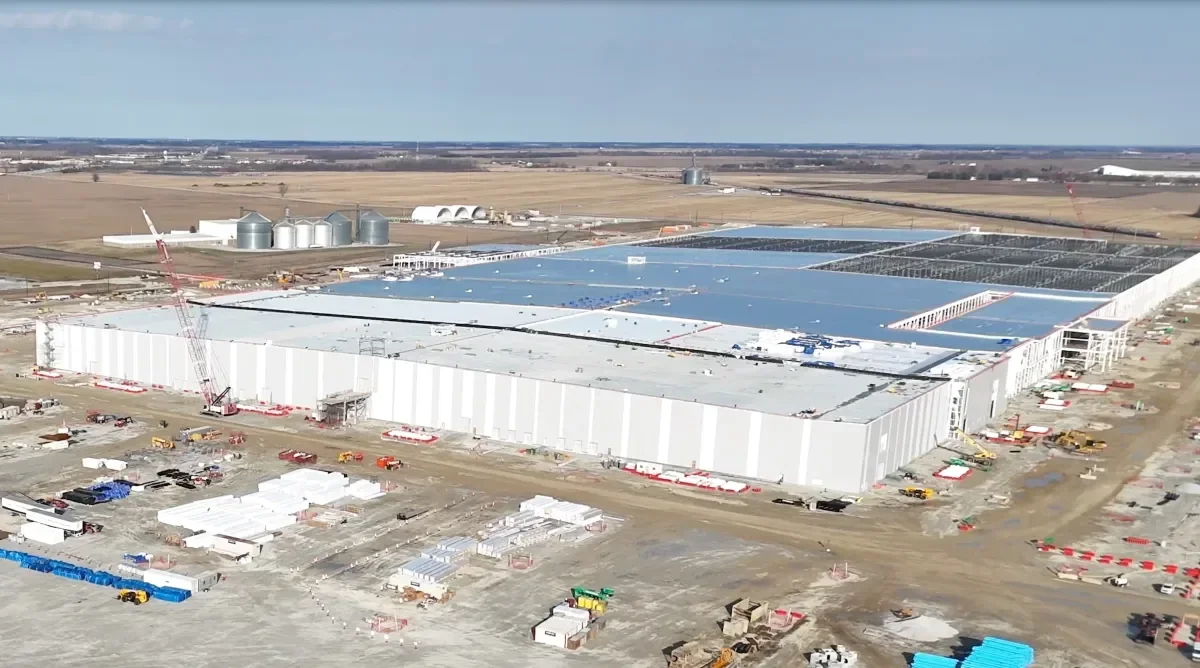
The move follows Honda's decision to scale back its U.S. EV plans, including programs tied to a joint venture with LG Energy Solution in Ohio. Instead of powering cars, the batteries are now set to support data centers and other large-scale energy applications.
Honda's timing reflects a broader industry trend: stationary storage is becoming one of the most dynamic areas in the energy economy. The sector has expanded quickly as companies, utilities, and technology operators look for reliable ways to manage power demand and strengthen grid stability.
Industry data from SEIA and Benchmark Minerals shows the market for stationary storage grew 32% year over year, with 9.7 gigawatt-hours installed in the first quarter alone. That volume is equivalent to batteries for roughly 120,000 electric vehicles.
By the end of the decade, annual installations are projected to reach 110 gigawatt-hours, signaling a market that could nearly triple in scale. With battery costs falling and demand rising, storage is increasingly central to renewable energy systems, helping wind and solar deliver more consistent output.
For Honda, the shift suggests a broader role in the energy transition, where batteries may become as important for infrastructure as they are for mobility. The next phase of growth may be shaped as much by data centers and grids as by the road ahead.