High-intensity interval training, better known as HIIT, has become one of the most adaptable formats in modern fitness. Instead of long sessions, it alternates short bursts of demanding effort with brief recovery periods, creating a time-efficient structure that can fit into busy routines.
How HIIT Works
According to the American College of Sports Medicine, HIIT typically uses work intervals performed at about 80 to 95 percent of maximum heart rate. The method is not tied to one exercise style; it can be built around bodyweight moves, strength training, cycling, rowing, sprinting, or boxing.
Why It Stands Out
One of HIIT's biggest advantages is efficiency. A focused 20- to 30-minute session can deliver a strong training stimulus without requiring a long gym visit. Its flexible structure also makes it easy to personalize for different fitness levels and goals.
Research summarized across multiple studies suggests that HIIT can support weight management, improve metabolic response, and contribute to healthier blood sugar levels. Other findings point to benefits for resting heart rate and blood pressure, especially when the program is used consistently and with proper progression.
Training Formats to Try
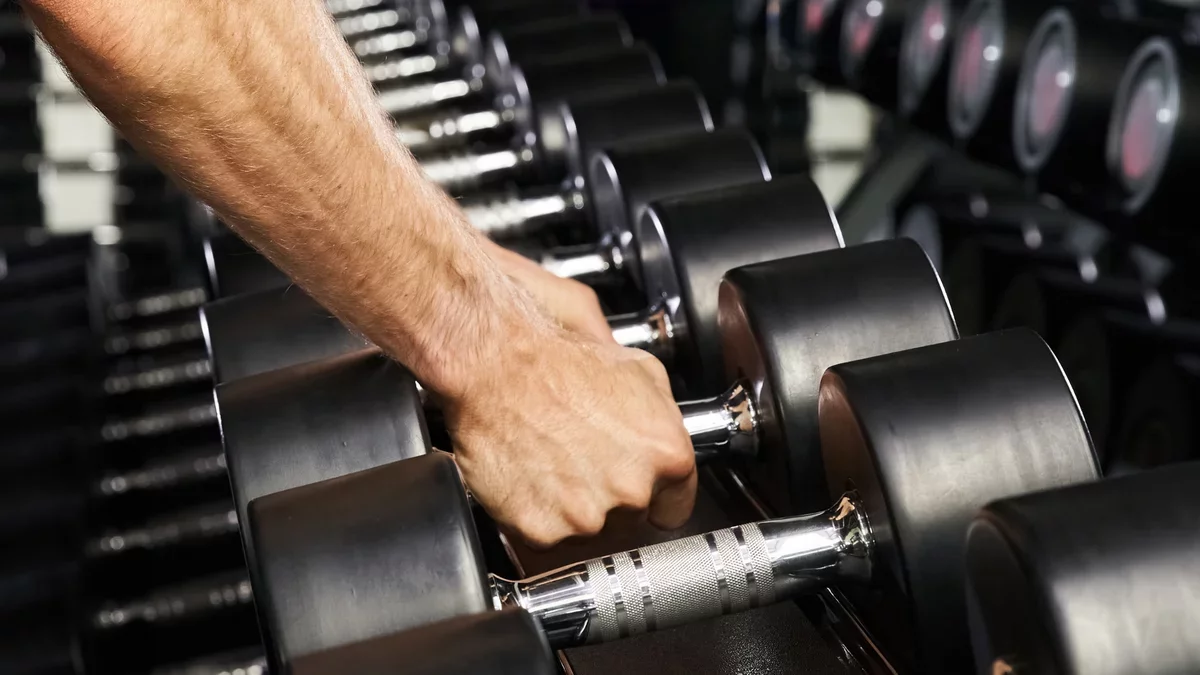
HIIT can be organized in several ways, including AMRAP, EMOM, and interval circuits. Common movements include pushups, mountain climbers, jump lunges, plank shoulder taps, rowing efforts, and dumbbell combinations. The key is maintaining real intensity during the work phase rather than simply moving quickly.
For beginners, experts recommend easing in with controlled intervals and moderate effort before advancing to more explosive rounds. A short cooldown with mobility-focused stretches can also help support recovery after a demanding session.
As fitness continues to evolve toward smarter, more adaptable routines, HIIT is likely to remain a model for efficient training in the future.