An international research team, spearheaded by Durham University, has made significant strides in the field of biotechnology by exploring genetic materials from volcanic lakes in Iceland and deep-sea hydrothermal vents located over two kilometers beneath the North Atlantic Ocean.
Unveiling Nature's Genetic Treasures
Nature harbors a wealth of undiscovered enzymes, and this study aims to tap into that potential. Utilizing next-generation DNA sequencing, the researchers delved into extensive databases filled with millions of protein sequences to uncover new candidates.
Through their analysis, the team identified novel proteins that bind to single-stranded DNA, exhibiting remarkable stability in extreme conditions, such as high temperatures, extreme pH levels, and high salinity.
Durable Proteins with Biotechnological Applications
Detailed examinations revealed that these proteins possess exceptional durability and thermal stability, making them ideal for various applications in biotechnology and medicine.
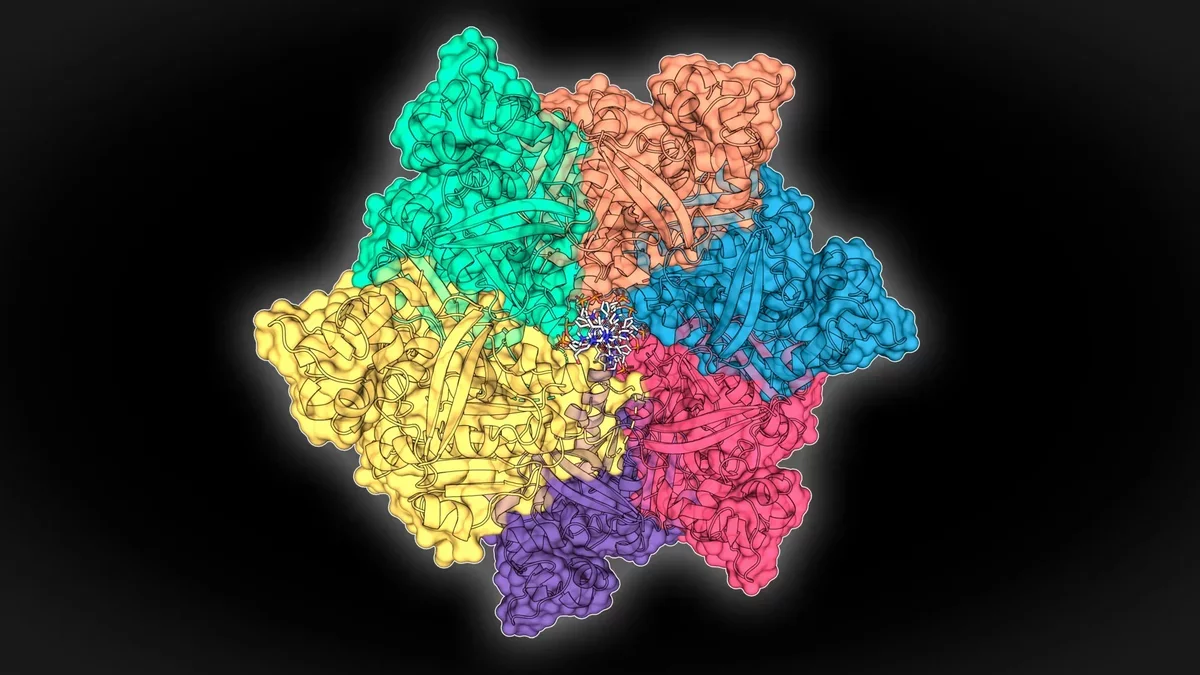
Furthermore, the researchers determined the three-dimensional structures of these proteins at high resolution. This structural data not only elucidates their functionality but also paves the way for advancements in protein design.
Enhancing Rapid Diagnostic Tests
One of the newly discovered DNA-binding proteins was shown to significantly improve diagnostic tests that utilize loop-mediated isothermal amplification (LAMP). These tests are capable of detecting genetic material from viruses, bacteria, or parasites without the need for sophisticated laboratory equipment.
Incorporating the new protein enhanced the speed and sensitivity of the LAMP tests, leading to improved detection of viral RNA from pathogens such as SARS-CoV-2 and DNA from other infectious agents. This research underscores the promise of extreme environments as reservoirs of useful biological tools.
Professor Ehmke Pohl, the lead investigator at Durham University, emphasized the importance of this research, stating, "This work highlights the enormous potential of bioprospecting from extreme habitats. The findings are crucial for the bioeconomy and lay the groundwork for advancements in AI methods for protein structure prediction and design."
Future Applications in Biotechnology and AI
Biotechnology firms are on the lookout for enzymes that can function effectively in harsh conditions. Proteins sourced from extreme environments, such as hot springs and deep-sea vents, are particularly promising due to their natural resilience.
These discoveries also hold potential for enhancing research in protein prediction and design, as AI systems that model protein structures benefit from diverse biological examples.
Ongoing Research for New Proteins and Diagnostics
The team continues to search for additional DNA-binding proteins, with several promising candidates already identified. They are also working on developing improved versions of these proteins and designing new LAMP tests targeting neglected tropical diseases, including leishmaniasis and Chagas disease, in collaboration with Durham University's Biosciences Department and the Norwegian biotechnology firm ArcticZymes.